

Most individuals have gone through this issue: they go to the dentist for a cleaning, and then their teeth feel wobbly or sensitive afterward. This naturally gives rise to a query that is common and understandable do teeth loosen after cleaning? The answer is short but firm no, your teeth do not get loose due to professional cleaning. But the sense of looseness or movement in your mouth may be a sign of the underlying issues that are exposed or treated by cleaning. In this blog, we’ll explore this topic in depth. We’ll separate myths from facts, explain what actually happens during a dental cleaning, and why it might feel like Loose Teeth After Cleaning.
Topics covered: Loose Teeth After Cleaning
- What Happens During a Dental Cleaning?
- Do People Think Teeth Feel Loose After Cleaning?
- The Role of Tartar and Plaque
- Learning About Gum Disease and Bone Loss
- When Teeth Really Are Loose
- Post-Cleaning Sensitivity vs. Looseness
- Why Professional Cleaning Is Important
- Busting Common Myths
- How to Take Care of Your Teeth After a Cleaning?
What Happens During a Dental Cleaning?
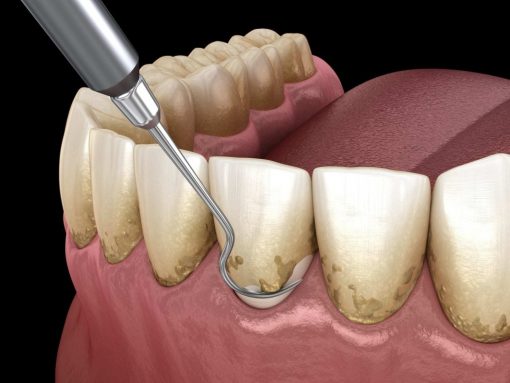
A dental cleaning, or prophylaxis, is a preventive dental treatment by a dentist or dental hygienist to remove tartar, plaque, and stains from the teeth. The process generally involves:
- Scaling: The removal of tartar and plaque from the tooth surface and below the gum line with a manual or ultrasonic scaler.
- Polishing: The use of a gritty paste to remove surface stains and polish the tooth surface.
- Fluoride Treatment (optional): Stretches enamel and prevents cavities.
- Evaluation: Examining for signs of gum disease, tooth decay, or other problems.
There is no harm in this process. Rather, it is necessary to keep gums healthy and avoid long-term damage.
Do People Think Teeth Feel Loose After Cleaning?
Looseness usually results from a shift in the way your teeth feel after tartar or calculus is removed. This is why: Tartar behaves like a “splint.” Where there’s extensive build up between teeth, tartar may bind teeth together. After they’re removed, teeth will feel a little different not because they’ve loosened up, but because they are no longer “locked in” by the calcified material.
Gum inflammation dissipates. If you had gum inflammation, the swelling might have been holding your teeth in place. When that inflammation comes down after a cleaning, it might make the sensation of movement or space. Actual looseness was there beforehand. Usually, if a tooth feels loose after a cleaning, it was loose because of gum disease or bone loss to begin with. The cleaning didn’t make it happen it just exposed the condition that was already there.
The Role of Tartar and Plaque
What is plaque?
Plaque is that sticky layer of bacteria that keeps forming on your teeth. If you don’t brush and floss it away, it eventually hardens into tartar.
What is tartar?
Tartar, also known as dental calculus, is just hardened plaque that sticks stubbornly to your tooth enamel and can only be removed by a dental professional. It usually builds up around the gum line and in between your teeth. Tartar is rough and porous, making it an ideal spot for more plaque to settle in, which can lead to even more gum inflammation and damage. If you let tartar sit for too long, it can cause periodontal (gum) disease, which harms the tissues that support your teeth.
What happens when tartar is removed?
When tartar builds up around your teeth and under your gums, it might seem like it’s providing some support. But once it’s removed, the true state of your tooth structure and gums is revealed sometimes showing areas of recession or movement that were previously hidden.
Learning About Gum Disease and Bone Loss
- Gingivitis: This is the early stage, characterised by red, swollen gums that bleed easily. The good news is that it’s reversible with professional cleaning and good home care.
- Periodontitis: This is the more advanced stage where gums start to pull away from the teeth, bone loss occurs, and teeth can become loose or even fall out.
If you’ve already experienced bone loss due to gum disease, your teeth might feel loose. A deep cleaning (scaling and root planing) can help reduce inflammation, but it won’t restore lost bone. So, it might feel like the cleaning made your teeth looser when, in reality, it just uncovered the underlying problem.
When Teeth Are Actually Loose?
- Advanced periodontal disease
- Trauma or injury
- Excessive biting forces or bruxism (teeth grinding)
- Orthodontic movement
- Underlying medical conditions (like osteoporosis)
If you have a loose tooth, it’s important to consult with a dentist to determine the cause and appropriate treatment.
Busting Common Myths
Myth 1: “Dental cleanings weaken teeth.”
Truth: Cleanings actually get rid of harmful substances. They won’t damage your enamel or tooth structure at all.
Myth 2: “My teeth weren’t loose until after the cleaning.”
Truth: If you notice looseness after a cleaning, it was likely there before, just hidden under tartar build up.
Myth 3: “Gums shrinking after cleaning means something is wrong.”
Truth: Receding gums or exposed roots usually point to previous gum disease, not a result of the cleaning itself.
Myth 4: “I don’t need cleanings because I brush and floss.”
Truth: Even with great hygiene, some plaque hardens into tartar, which can only be removed by a professional.

How to Care for Your Teeth After a Cleaning
- Brush twice a day with fluoride toothpaste
- Floss daily
- Use an antiseptic mouthwash
- Steer clear of tobacco products
- Schedule regular dental check-ups
- Eat a balanced diet with limited sugar
- Follow any specific advice from your dental team based on your needs
If you experience unusual discomfort, prolonged sensitivity, or actual mobility after a cleaning, don’t hesitate to see your dentist. It could be a sign of an underlying issue that needs attention.
So, do teeth loosen after a cleaning?
Nope! Cleanings don’t loosen your teeth. They remove plaque and tartar that can lead to gum disease a condition that, if ignored, can loosen teeth over time. If your teeth feel different after a cleaning, it’s likely because your mouth is healthier, not weaker. Sometimes, a dental cleaning can uncover existing issues like gum disease, bone loss, or tooth mobility but the cleaning itself isn’t the culprit. Getting professional cleanings every six months is one of the best ways to prevent long-term oral health problems. Instead of dreading them, think of them as a powerful tool to protect your teeth, keep your gums healthy, and avoid serious complications.
**********