
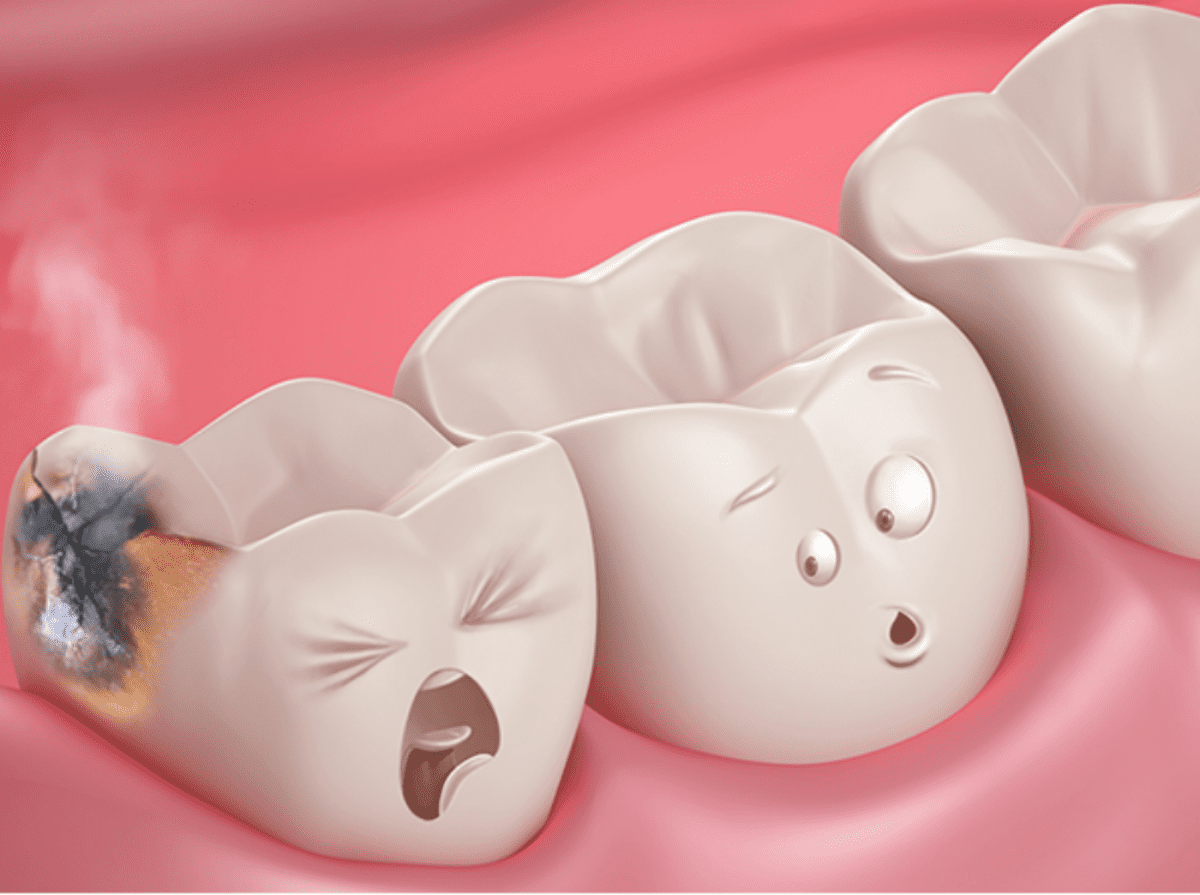
Do Dentists Exaggerate Dental Cavities? This is a common question many patients ask after being told they need dental treatment. In reality, dentists appreciate patients who are informed and take the time to ask questions about their oral health. They also understand that most people would rather avoid spending 45 minutes getting a cavity drilled, filled, and possibly refilled later if the tooth fractures. When it comes to explaining cavities, dentists don’t usually exaggerate the risk—they emphasise the potential damage that untreated cavities can cause.
Since most people naturally want to avoid pain, infection, and tooth decay, highlighting these risks helps patients understand why regular dental check-ups every six months are important instead of waiting until problems become more serious.
Who Is This Article For?
- Patients diagnosed with multiple cavities
- People considering a second opinion
- Anyone who wants to understand cavity diagnosis
- Individuals looking to protect their natural teeth
How do Dentist in Mumbai Exaggerate Dental Cavities?
Dentists are trained to understand the fears and concerns of their patients. They listen carefully when patients describe their pain and discomfort, and they also understand that different patients have different tolerances for discomfort. That’s why dentists try to share their knowledge and experience with patients who are unfamiliar with their profession. But they also understand the best way to inform patients about their oral health is in a way that’s going to have the strongest impact. When it comes to informing their patients about cavities, dentists don’t exactly exaggerate the risk, but they do emphasise just how much damage those caries can cause if left untreated.
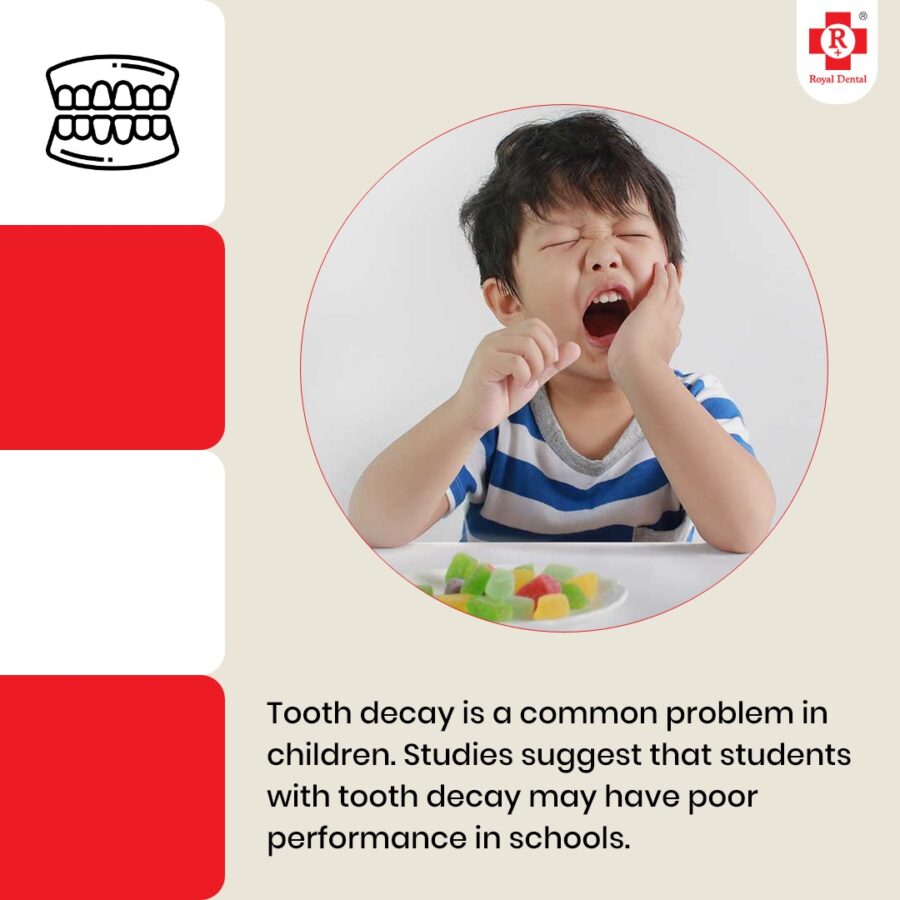
The Dangers of Cavity Decay
Cavity decay is a process that begins when bacteria in your mouth combine with sugars from foods and beverages and create acid that erodes tooth enamel. This acid and minerals from saliva combine to form a substance called dental plaque that adheres to your teeth and hardens into tartar. This can be difficult to remove with a toothbrush. Dentists recommend that you brush and floss at least twice a day and use a mouthwash to reduce the risk of cavity acid damage and tartar buildup. If you don’t take good care of your teeth, bacteria can spread and grow throughout your mouth and cause gum disease.
They can also reach into the root of your teeth and cause cavities. If left untreated, cavity acid can break down the structure of your teeth to the point where they become brittle and fragile. If a tooth breaks, it can be difficult to repair, and you may need a denture or even a tooth extraction.
Decaying Teeth can lead to Root Canal Treatment
Cavity decay to the point where it damages the pulp of your teeth can lead to an infection and require a root canal. When a dentist removes the infected pulp, they fill the tooth with a special material called gutta-percha and seal it with a crown. Dentists recommend that you get your teeth cleaned and checked at least once every six months, and even more frequently if you consume a lot of sugary foods and beverages.
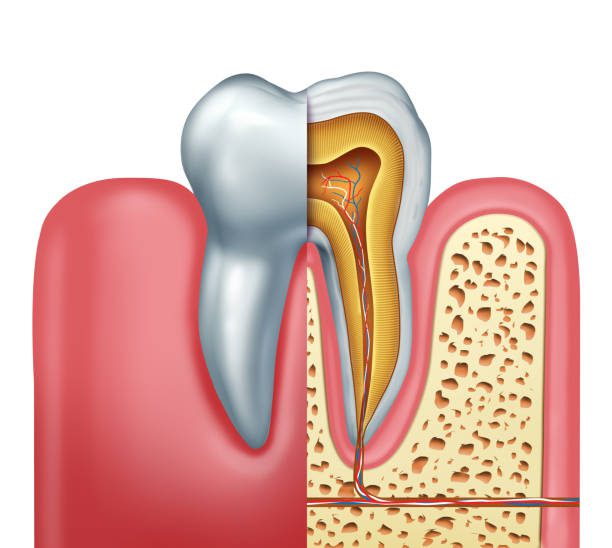
If you don’t take care of your teeth, they’re more likely to break down and need special repairs. When this happens, you may need root canals or tooth extractions. Root canals are painful and can lead to long-term dental issues like pain and sensitivity. And tooth extractions can be expensive, painful and leave you in need of dentures.
Loss of Bone Structure and Mobility
As you age, your teeth will become less sturdy. This can happen due to genetics, diet and lifestyle, and it can lead to the loss of bone structure and mobility. If a tooth is barely holding on, you’ll likely need a root canal and a crown. If you don’t take care of your teeth, you could lose them. And it’s possible for you to lose your jawbone as well. If one or more of your teeth are missing and you don’t take good care of the remaining teeth, the jawbone can shrink and cause your teeth to move out of place. This can make eating difficult, and you may need dentures. In extreme cases, you may even need to undergo a procedure called a mandibular advancement surgery, or MAS.
Mandibular Advancement Surgery (MAS)
The mandibular jawbone can shrink due to genetics or diet and lifestyle factors like smoking. When this happens, teeth can move out of place, and it may become difficult or impossible to bite down on solid foods. A doctor can surgically move the jawbone forward to make room for teeth and allow patients to chew properly. If you don’t take care of your teeth, you could lose your jawbone — or even your entire lower jaw. And if your jawbone is gone, you’ll need a feeding tube and a way to access it. You may also need a surgical procedure called a mandibular advancement surgery, or MAS. This procedure moves your lower jaw forward so you can bite down on food.
Conclusion
If you’ve been told you need multiple fillings, a root canal, or other dental treatment, don’t hesitate to seek expert advice. Our experienced dental team provides thorough evaluations, honest recommendations, and personalized treatment plans to help you make confident decisions about your oral health.
Schedule your consultation today and receive a personalized treatment roadmap designed to protect your smile and preserve your natural teeth.
FAQs
Do dentists really exaggerate cavities?
Most dentists diagnose cavities based on clinical examination and X-rays. However, opinions can differ, especially for very early tooth decay.
Is it okay to get a second opinion for cavities?
Yes. If you’re unsure about a diagnosis or recommended treatment, getting a second opinion is a reasonable way to make an informed decision.
Can a cavity heal without a filling?
Very early enamel damage may be managed with preventive care, but once a true cavity forms, it usually requires professional treatment.
Why do two dentists find different numbers of cavities?
Different dentists may interpret early-stage decay differently or use varying diagnostic tools and treatment approaches.
How can I prevent cavities?
Brush twice daily, floss regularly, reduce sugary foods, and visit your dentist for routine check-ups to detect problems early.