

What makes a good dentist? A dentist who is multifaceted, of course! In order to become well-rounded and successful in your career as a dentist, you should seek out new opportunities and explore different areas of dentistry. This way, you’ll be able to perfect your skills in one area while also expanding your knowledge base in another. Definitely, the most challenging part of any dental career is choosing which specialty to go into. Both orthodontics and endodontics are wonderful options for an aspiring dentist.
Difference Endodontics vs Orthodontics is important for patients who are confused about whether they need root canal treatment, tooth infection care, braces, aligners, or bite correction. Endodontics mainly focuses on the inside of the tooth, including the pulp and root canal, while orthodontics focuses on teeth alignment, jaw position, braces, retainers, and long-term bite correction.
Who is this Article For?
This article is for patients who are confused about the difference between endodontics and orthodontics and want to know which dental specialist they may need for their concern. It is helpful for people who have tooth pain, root infection, damaged tooth pulp, crooked teeth, gaps, bite problems, jaw alignment concerns, or difficulty chewing comfortably. This article helps patients understand that endodontics and orthodontics are both important branches of dentistry, but they treat different types of dental problems.
What is Endodontics?
Endodontics is the study and practice of dentistry related to the root of teeth. A dentist who specializes in endodontics is known as an endodontist. Endodontics is the branch of dentistry that specializes in the treatment of the root of teeth. If you’re feeling a little nervous about this, don’t worry! Root canal therapy the main procedure done by dentist is actually one of the most common dental procedures done at Royal Dental! Endodontists treat patients who have experienced some form of tooth or root damage. In order to do this, they use specialized tools and instruments designed specifically for root canal treatment.
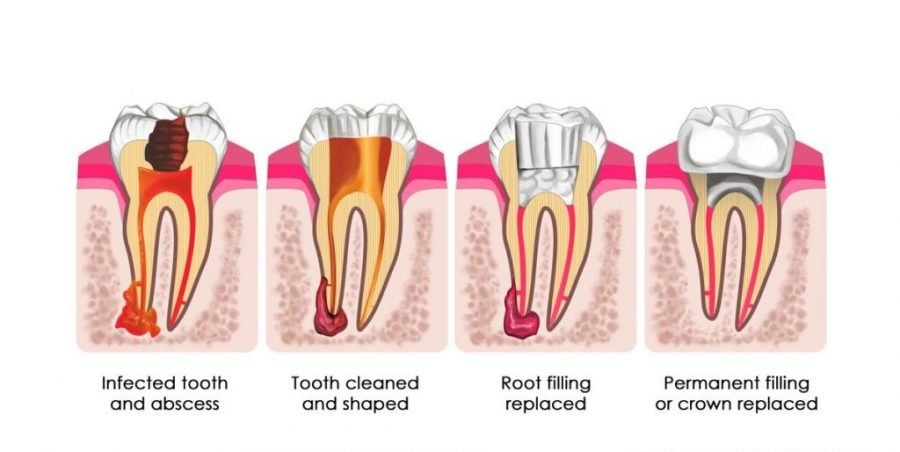
What does an endodontist do? Often, the goal in endodontics is to save the tooth. An endodontist clears the infection and decay to protect the interior of the tooth from further damage instead of simply pulling a diseased or damaged tooth. Here’s an overview of the types of treatment an endodontist performs, and what to expect from certain procedures offered in an endodontist’s office.
In a typical root canal treatment, an endodontist removes the pulp inside the tooth, cleans and shapes the root canal, seals the area with a dental material, and finishes the treatment with a crown, according to the AAE.
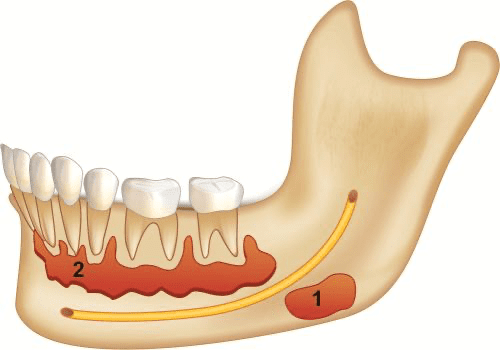
Pulpectomy Dental Treatment
A pulpotomy is a similar procedure, more commonly done on primary teeth, to remove the inflamed coronal pulp from the pulp chamber and seal the remaining tooth. While a root canal involves removing all the pulp from the chamber and surrounding root system, a pulpotomy is less extensive and doesn’t include the pulp in the root area.
What is Orthodontics?
Orthodontics is the branch of dentistry concerned with the correction of irregularities of the teeth and the molding of the jaws. An orthodontist is a dental specialist who corrects irregularities in the teeth and jaws with the use of braces, retainers, and other appliances. Orthodontists are trained to diagnose a patient’s dental irregularities, determine the cause of those irregularities, and design a treatment plan that will correct these issues. Orthodontics is the branch of dentistry concerned with the correction of irregularities of the teeth and the molding of the jaws. It’s an incredibly broad term that covers an incredibly broad range of dental procedures.

However, orthodontics is more than just teeth. It also involves the jaws, which are also an important part of overall dental health. Orthodontics is the dentistry branch that addresses the diagnosis, prevention, interception, guidance, and correction of bad bites or dental irregularities, including the use of braces.A specialist known as an orthodontist is the right person to consult for your orthodontic treatment. These specialists attend two or more additional years of education after four years of dental school.
Benefits of Orthodontics
You might think that straightening your teeth only has aesthetic benefits, but that couldn’t be farther from the truth. Crooked teeth can be harder to clean, which can lead to tooth decay or periodontal disease. Teeth that don’t fit correctly can make it harder to chew, leading to headaches, shoulder or back pain, and even temporomandibular joint (TMJ) disorders.
Similarities between Orthodontics and Endodontics
- Both specialties involve treating damaged teeth and root canals.
- Orthodontists and endodontist are both dental specialists.
- Both specialties use a combination of traditional and modern dental techniques.
- Orthodontists and endodontist specialties require a very hands-on approach.
- Both specialties have a long-term approach and requires a lot of precision and accuracy.
- Both specialties require working in a team with a strong patient-care ethic
Differences: Endodontics vs Orthodontics
- Endodontics is more hands-on than orthodontics.
- Orthodontics has a longer treatment duration.
- The specialties require differing levels of precision and accuracy.
- Endodontics requires stronger hands to work with the rotary files.
- Orthodontics has a more team-oriented approach.
- Orthodontics is more precise than endodontics.
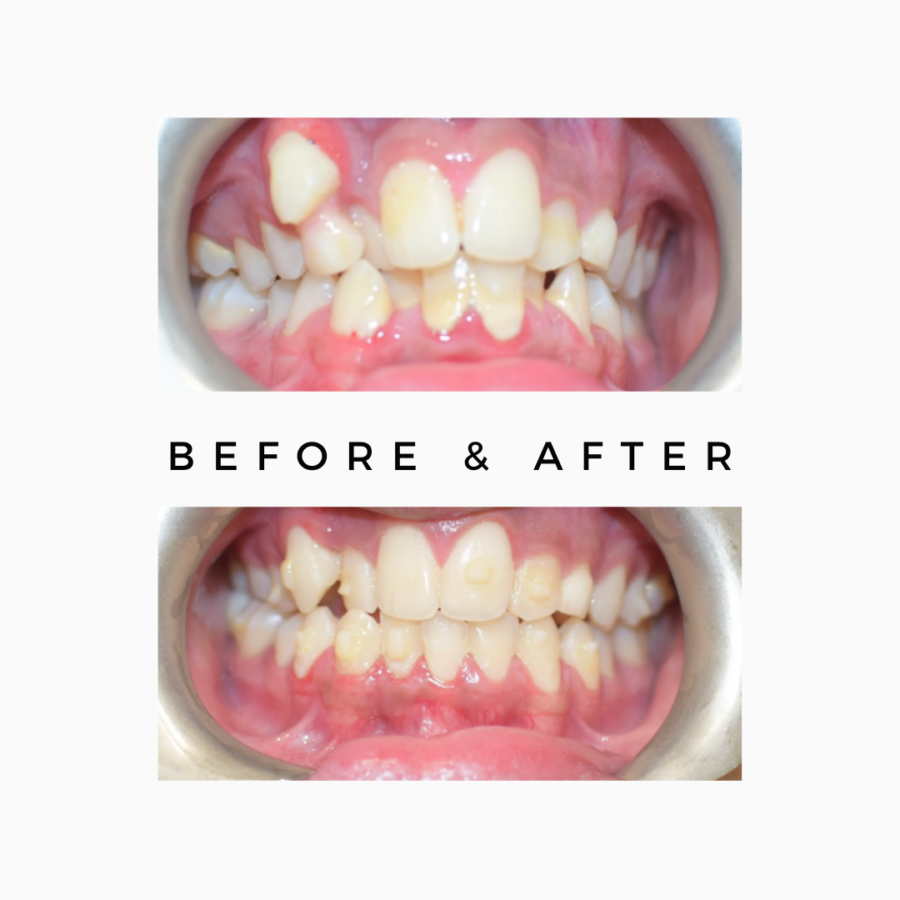
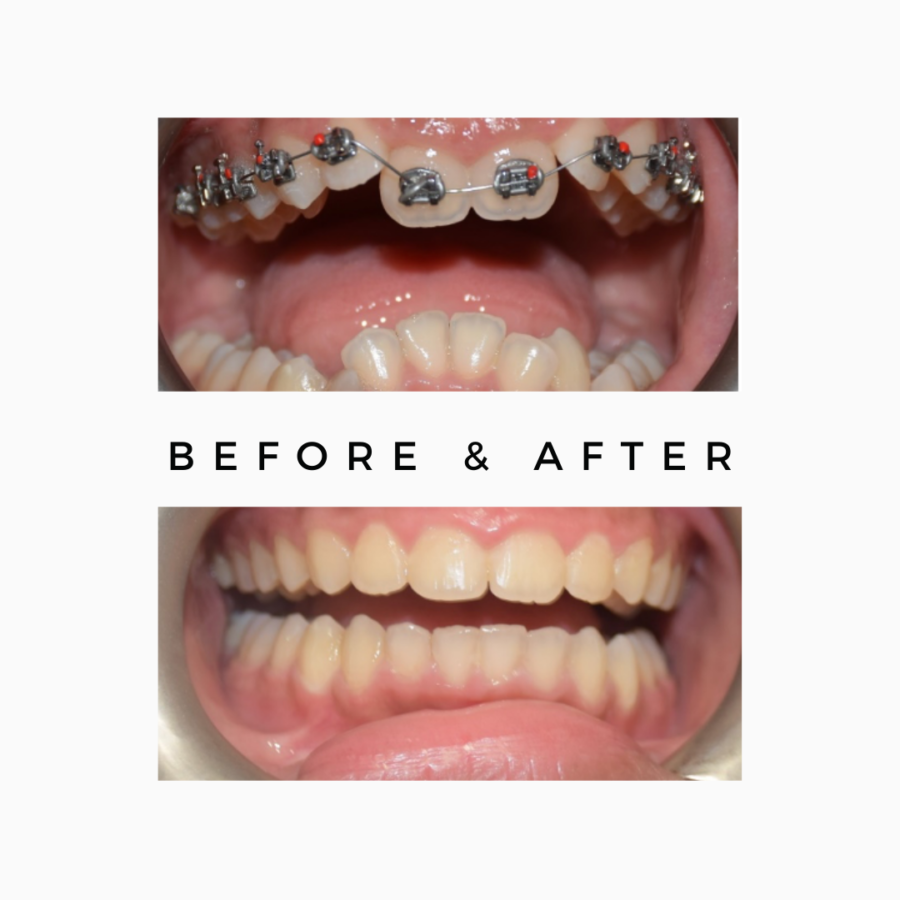
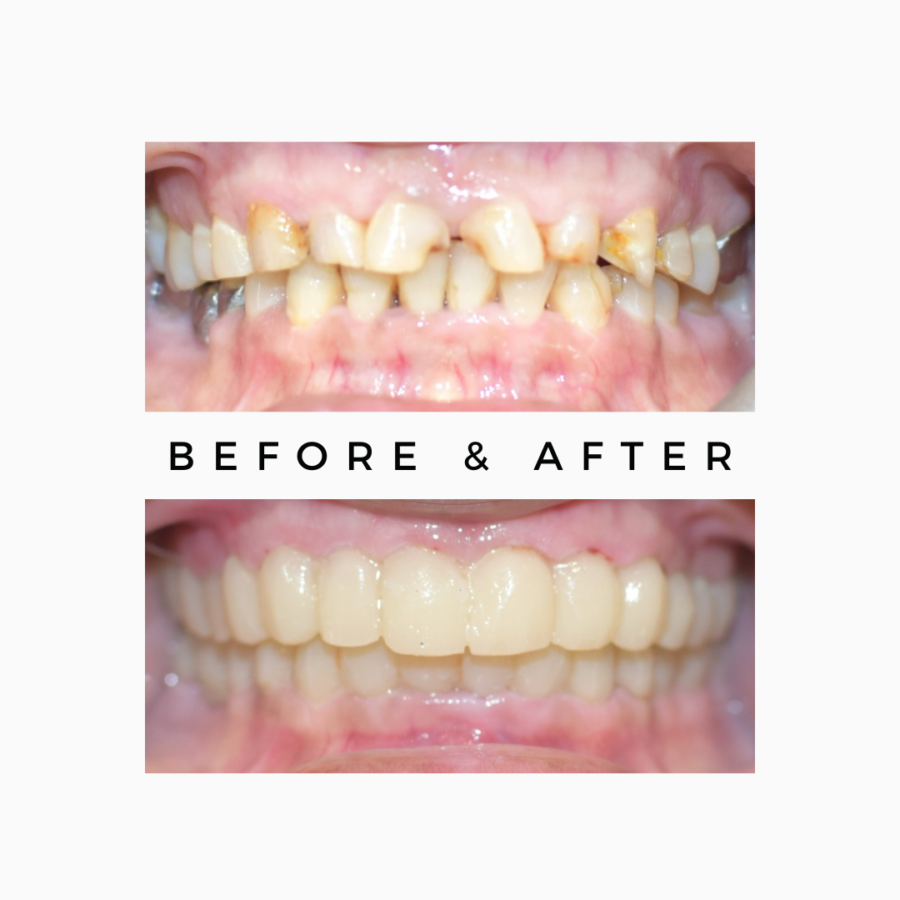
Endodontists do Root Canal Treatment
Endodontists treat the soft inner tissue of the teeth—the pulp. These specialists are experts in root canal treatment. While, as stated previously, all endodontist are dentists, less than three percent of dentists are endodontist. At Royal Dental Clinic Pvt Ltd we use the latest sedation dentistry for low-stress tooth restoration. The process involves removing the infected nerves or tooth pulp. We offer low-stress sedation surgery and help our patients return to normal quickly.
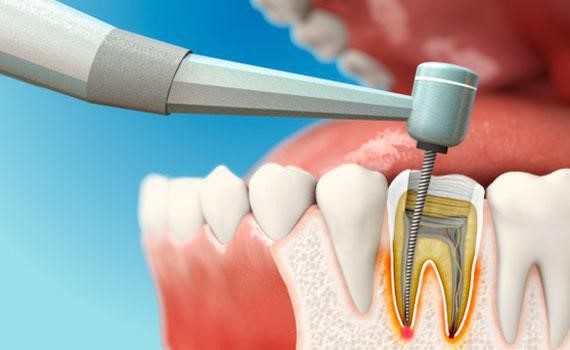
Orthodontists Straighten Teeth
Orthodontists receive advanced training in diagnosing, preventing, and treating dental and facial irregularities. Those irregularities typically include any growth or formation of the teeth that are not aligned, straight, or matched to the shape of the jaw. Crooked and misaligned teeth are prone to decay and gum disease. Orthodontists specialize in realignment by fitting retainers, spacers, headgear, and more.
Which Specialty should you go into?
Orthodontics and endodontics are both two incredibly important fields of dentistry. But when it comes down to it, which specialty would you prefer? If you’re not sure, consider the following: – How hands-on are you? How long do you want your treatment duration to be? and How important are precision and accuracy? How important is teamwork? How important is patient care? If you’re more hands-on, more team-oriented, and more concerned with precision and accuracy, then orthodontics might be right for you. If you’re less hands-on, less concerned with precision, and less concerned with teamwork, then endodontics might be right for you.
Conclusion
Orthodontics and endodontics are both important fields of dentistry that require a lot of precision and attention to detail. Both specialties require a very hands-on approach and a long-term treatment plan. If you’re interested in any of these fields of dentistry, this blog post has hopefully given you a good overview of the differences between the two specialties!
Endodontics and orthodontics are both important areas of dentistry, but their treatment focus is different. Endodontics mainly deals with the inside of the tooth, especially the pulp, root canal, tooth infection, and saving damaged teeth. Orthodontics focuses on teeth alignment, jaw position, bite correction, braces, retainers, and long-term smile balance.
FAQs
1. What is the difference between endodontics and orthodontics?
Endodontics focuses on the inside of the tooth, especially the pulp, root canal, and tooth infection. Orthodontics focuses on correcting crooked teeth, bite problems, jaw alignment, gaps, crowding, and tooth positioning with braces, aligners, retainers, or other appliances.
2. When do I need an endodontist?
You may need an endodontist if you have severe tooth pain, deep decay, tooth infection, swelling, sensitivity, cracked tooth, or damage to the tooth pulp. Root canal treatment may be advised when the natural tooth can be saved.
3. When do I need an orthodontist?
You may need an orthodontist if you have crooked teeth, crowded teeth, gaps, overbite, underbite, crossbite, open bite, jaw alignment issues, or difficulty cleaning teeth because of irregular tooth position.
4. Is root canal treatment part of endodontics?
Yes, root canal treatment is one of the main treatments in endodontics. It involves cleaning the infected or damaged pulp from inside the tooth, shaping the canal, sealing it, and restoring the tooth when required.
5. Are braces and aligners part of orthodontics?
Yes, braces, aligners, retainers, and other appliances are part of orthodontic treatment. These are used to move teeth gradually, improve bite alignment, and support better smile balance in suitable cases.
6. Can one patient need both endodontic and orthodontic treatment?
Yes, some patients may need both. For example, a patient may need root canal treatment for an infected tooth and later orthodontic treatment for alignment or bite correction. The sequence depends on the dental condition and treatment plan.
7. How do I know which specialist I should visit?
A dental consultation can help decide whether your concern is related to tooth infection, root canal, tooth pulp, teeth alignment, bite correction, or jaw position. After examination and X-rays or scans, the dentist can guide you toward endodontic treatment, orthodontic treatment, or another suitable dental procedure.