

Dental anxiety is common. Some people worry about pain or injections, while others feel uncomfortable because of dental sounds, smells, previous experiences or fear of being judged. Feeling nervous about dental treatment does not mean you are weak or difficult. A supportive dental team can help you understand each step, communicate your concerns and plan treatment at a pace you can manage.
A Comfortable Dental Experience Starts With Trust
At Royal Dental Clinics, the first step should be an open discussion about your concerns, oral-health needs and treatment goals. The dentist can then assess your condition, explain the available options and create a plan based on your comfort and clinical requirements. You do not need to hide your dental anxiety. Tell the clinic when booking your appointment so the team can plan your visit appropriately.

Is Dental Treatment Painful?
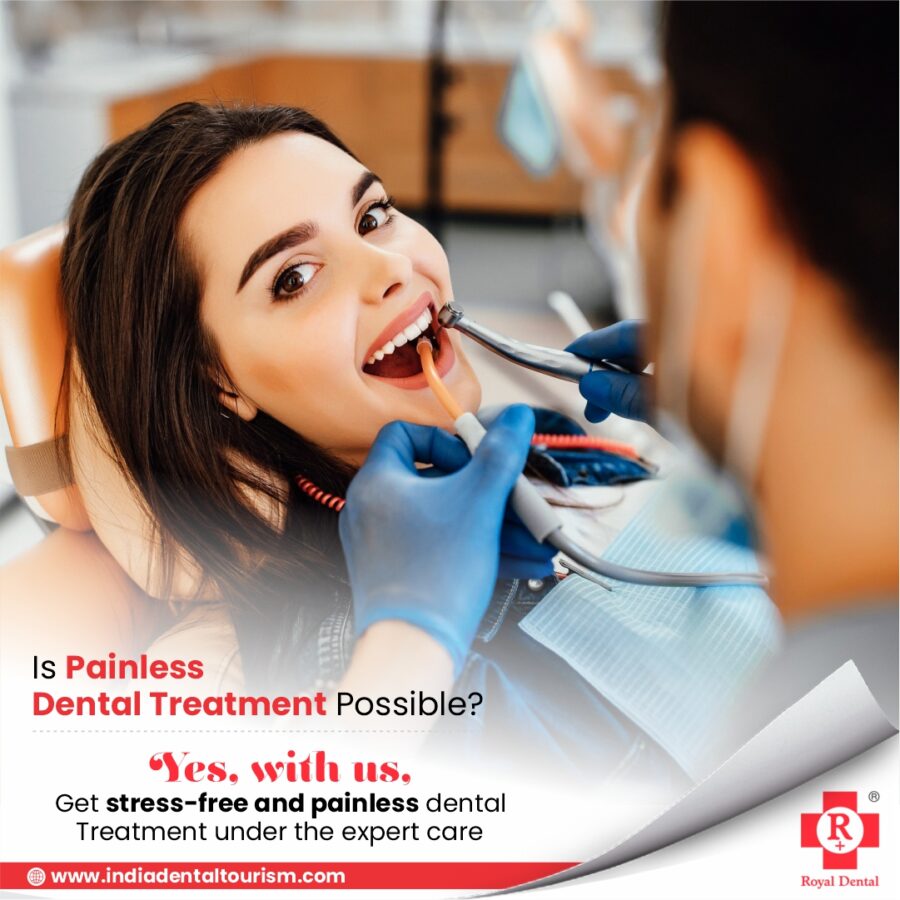
Dentists use local anaesthesia to numb the treatment area when required. You may still feel pressure, vibration or movement, but you should tell the dentist if you feel discomfort. Agreeing on a simple stop signal, such as raising your hand, can help you feel more in control. Before beginning, ask your dentist to explain:
- What treatment is being planned
- Whether local anaesthesia will be used
- How long the procedure may take
- What sensations you may notice
- What you can do if you need a break
How Can Dentists Help Anxious Patients?
Listening to your concerns
Tell the team what makes you anxious. You can mention previous experiences, specific sounds, fear of injections or concerns about pain.
Explaining the procedure
Many patients feel more comfortable when they know what will happen. You can request a step-by-step explanation before treatment begins.
Using a staged treatment plan
Treatment does not always need to be completed in one appointment. Depending on your oral health, the plan may begin with a consultation, examination and discussion of options.
Offering breaks and distraction
Short breaks, music, headphones and breathing techniques may help reduce stress during treatment.
Discussing sedation when appropriate
Some patients may benefit from a selected form of dental sedation. The appropriate option depends on the procedure, medical history, medicines, anxiety level and clinical assessment. Sedation is not suitable for everyone and is not the same as general anaesthesia. If sedation is considered, the dentist should explain the method, monitoring, preparation and aftercare requirements clearly.
Childhood Experiences Leave Lasting Impressions
Childhood experiences play a significant role in shaping our perceptions and fears, and this is true for dental anxiety as well. Many adults who fear going to the dentist can trace the origins of their fear back to negative experiences during their childhood. These experiences could include painful procedures, a lack of understanding or communication from the dentist, or even a frightening environment.
As a dentist, I understand the lasting impact these experiences can have on an individual’s perception of dental care. That’s why, at Royal Dental Clinics, we place great emphasis on creating a positive and supportive environment, particularly for our younger patients. We believe that by providing a comfortable and reassuring experience from an early age, we can help children develop a positive association with dental visits.
Dental Fear Starts at Young Age
Pediatric dentistry has evolved significantly over the years, focusing not just on oral health but also on making the experience enjoyable for children. Child-friendly clinics, colorful and inviting waiting areas, and gentle and empathetic dental professionals are all part of creating a positive environment. At Royal Dental Clinics, we strive to create a warm and welcoming space where children feel safe and cared for. We understand that open communication and trust are vital when treating children. Our team takes the time to explain procedures in a child-friendly manner, using age-appropriate language and visual aids. This helps alleviate their fears and builds trust between the child, their parents, and the dental team.
Anxiety about Dental Procedures: Dentist Profession
Dental anxiety is prevalent. Dental anxiety might prevent patients from getting the care they need. However, dentistry has greatly reduced pain and suffering, and Royal Dental Clinics prioritizes patient comfort. Effective dentist-patient communication reduces dental anxiety. I urge my patients to discuss their worries as a dentist. By knowing your fears, we can create a customized strategy. Knowing what to anticipate and feeling in control might reduce anxiety during a filling or more complicated operation.
Dental operations are often numbed using local anaesthetic. This prevents treatment pain. Local anaesthetic is administered softly and painlessly.

Sedation dentistry is available for extreme anxiety or difficult treatments. Sedation dentistry uses medicine to calm patients. Depending on the patient and operation, sedation ranges from moderate relaxation to profound sedation. We carefully check your vital signs throughout anesthesia. Dental technology has made operations faster and more efficient, minimizing chair time. Laser dentistry has transformed numerous treatments by offering precise, least intrusive options. Laser dentistry reduces anaesthetic, pain, and recovery time.
Cost Concerns and Accessibility
People may avoid dental treatment because of legitimate barriers like cost and lack of availability. Taking care of your teeth and gums is an investment in your general health, therefore it’s crucial to deal with these issues. Here at Royal Dental Clinics, we work hard to keep our prices low and our services high-quality.
Recognizing the need of preventative dental care is the first step in saving money and time in the long run. Maintaining your oral health and avoiding expensive treatments is possible with regular checkups, cleanings, and early diagnosis of dental concerns. If you maintain frequent dental checkups, you may head off potential disasters in your mouth.

Here at Royal Dental Clinics, we’ll gladly assist you in making the most of your dental insurance coverage. If you need help understanding your insurance benefits or making the most of them, our staff is here to help. To make sure that the expense of dental treatment doesn’t prevent anybody from getting it, we offer a variety of payment alternatives, including payment plans and financing.
We provide low-cost choices for essential dental care for those who don’t have dental insurance or who have just a little amount of coverage. Our mission is to make high-quality dental treatment available to all people, regardless of their ability to pay. We value oral health highly and will work with you to identify the best treatment options.
How to Prepare for a Dental Appointment When You Feel Anxious
- Inform the clinic about your dental anxiety while booking.
- Ask whether the first visit can focus on consultation and planning.
- Write down your main concerns before arriving.
- Bring a list of your medicines and relevant medical conditions.
- Agree on a stop signal with the dentist.
- Ask for a written treatment plan and estimate.
- Avoid delaying urgent symptoms because of fear.
- Consider bringing a trusted person if the clinic permits it.
Why Avoiding the Dentist Can Make Anxiety Worse
Avoiding dental visits may provide temporary relief, but untreated problems can sometimes become more complicated over time. A small cavity, gum problem or broken tooth may require more extensive care if treatment is postponed. This does not mean you should feel guilty for avoiding treatment. It means that taking one manageable step—such as booking a consultation—may help prevent the problem from becoming more difficult.
What If You Are Embarrassed About Your Teeth?
Dentists regularly see patients with cavities, gum disease, missing teeth, broken teeth and long gaps in dental care. The purpose of an appointment is to understand the problem and discuss suitable solutions, not to judge you. You can ask the dentist to explain your condition in simple language and provide different treatment options where clinically possible.
When Should You Seek Additional Support?
Consider discussing additional support if you:
- Feel panic before dental visits
- Cancel appointments repeatedly
- Feel faint at the thought of dental treatment
- Avoid treatment despite pain or infection
- Have difficulty sitting through even a consultation
For severe dental phobia, behavioural support or a referral to an appropriate mental-health professional may be helpful along with dental care.
Frequently Asked Questions
Why am I so afraid of the dentist?
Dental anxiety may be related to previous experiences, fear of pain, injections, loss of control, embarrassment or uncertainty about treatment. Identifying the specific cause can help your dentist plan better support.
Can I ask the dentist to stop during treatment?
Yes. Discuss a stop signal before treatment begins. Raising your hand is a commonly used signal, but you should agree on this with your dentist in advance.
Can dental anxiety be treated without sedation?
Yes. Communication, staged appointments, breathing techniques, distraction, breaks and behavioural support may help many patients. Sedation is only one possible option and is not required for everyone.
Is sedation dentistry safe?
Sedation must be selected after reviewing your medical history, medicines and treatment requirements. If recommended, it should be provided by appropriately trained professionals with suitable monitoring and aftercare instructions.
How much does treatment for an anxious patient cost?
There is no single cost. Fees depend on the diagnosis, procedure, materials, number of visits and whether additional anxiety-management support is required. Ask for a written treatment plan and estimate before beginning.
Should I delay treatment because I am afraid?
It is better to contact the clinic and discuss your concerns than to continue postponing care. A consultation can help you understand the problem and decide on the next step without committing to treatment immediately.
Can I visit only for a consultation?
You can ask the clinic whether the first appointment can be consultation-focused. This may help you become familiar with the dentist and discuss your concerns before planning treatment.