Dental sealants are an effective way to protect your teeth from the buildup of plaque and decay-causing bacteria used by dentist. They are an easy, painless, and relatively inexpensive dental procedure. Dental sealants are plastic-like coatings that are applied to the chewing surfaces of the back teeth, providing a protective barrier between the tooth and bacteria. They can help prevent cavities and decay, and can even last up to 10 years! In this article, we’ll discuss the benefits, risks, and how they work. We’ll also discuss how to care for your dental sealants and when to replace them. With the right information, you can make an informed decision about whether or not dental sealants are right for you.
What are dental sealants and how do they work?
Dental sealants are thin, plastic-like coatings that are applied to the chewing surfaces of the back teeth. The application process is relatively easy and painless. During the procedure, the dentist will first clean and dry the teeth. Then, they will apply an acidic solution to the teeth to create a rough surface, which will help the sealant adhere. Dental sealants are a preventive dental treatment used to protect the teeth from decay. They are a thin plastic coating applied to the chewing surfaces of the back teeth (premolars and molars) where decay is most likely to occur.
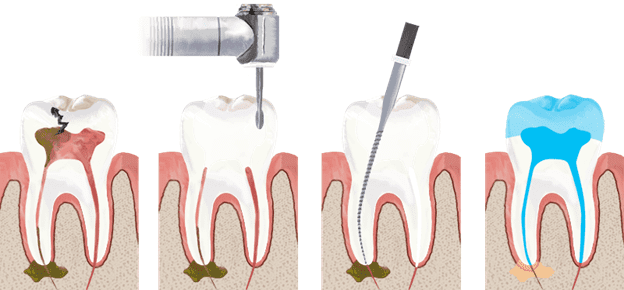
How do Dental Sealants work?
Next, the sealant is applied in liquid form and allowed to harden. It creates a smooth, protective barrier between the tooth and bacteria, which helps to prevent cavities and decay. Dental sealants are most often used on the molars and premolars, as these are the teeth that are most prone to decay. Sealants can also be applied to other teeth, such as the front teeth, but they are less effective in preventing decay in these areas.
Dental sealants are recommended for children and teenagers, as their teeth are more susceptible to decay suggested by Dentist.
The process of applying dental sealants is simple and painless. The dentist or dental hygienist will clean the teeth and apply a special solution to roughen the tooth surface. Then, they will rinse off the solution and dry the tooth. Next, they will apply the sealant material to the tooth, and use a special light to harden the material in place.
Benefits of Dental Sealants
Dental sealants are an effective way to prevent cavities and decay. They can help to protect the teeth from the buildup of plaque and other decay-causing bacteria. In addition, they are relatively inexpensive and painless procedures. The application process is quick and easy, and the sealants can last for up to 10 years.
- Protection against decay: Sealants provide a barrier between the tooth surface and the bacteria that cause decay, helping to prevent cavities.
- Durability: Sealants can last for several years, providing long-lasting protection against decay.
- Cost-effective: Sealants are a relatively inexpensive preventive treatment, especially when compared to the cost of restorative dental procedures.
- Pain-free: The process of applying dental sealants is painless and non-invasive, making it a good option for people who are anxious or fearful about dental procedures.
- Improved oral health: By preventing decay, dental sealants can help improve overall oral health and reduce the need for more extensive dental treatments in the future.
Risks of Dental Sealants
Although dental sealants are generally safe, there are some risks associated with the procedure. First, the sealant may not adhere properly if the teeth are not properly prepared or if the sealant is improperly applied. This may cause the sealant to chip or wear away, leaving the teeth unprotected. In addition, some people may experience sensitivity or irritation after the procedure. If this occurs, it is usually mild and should go away on its own.
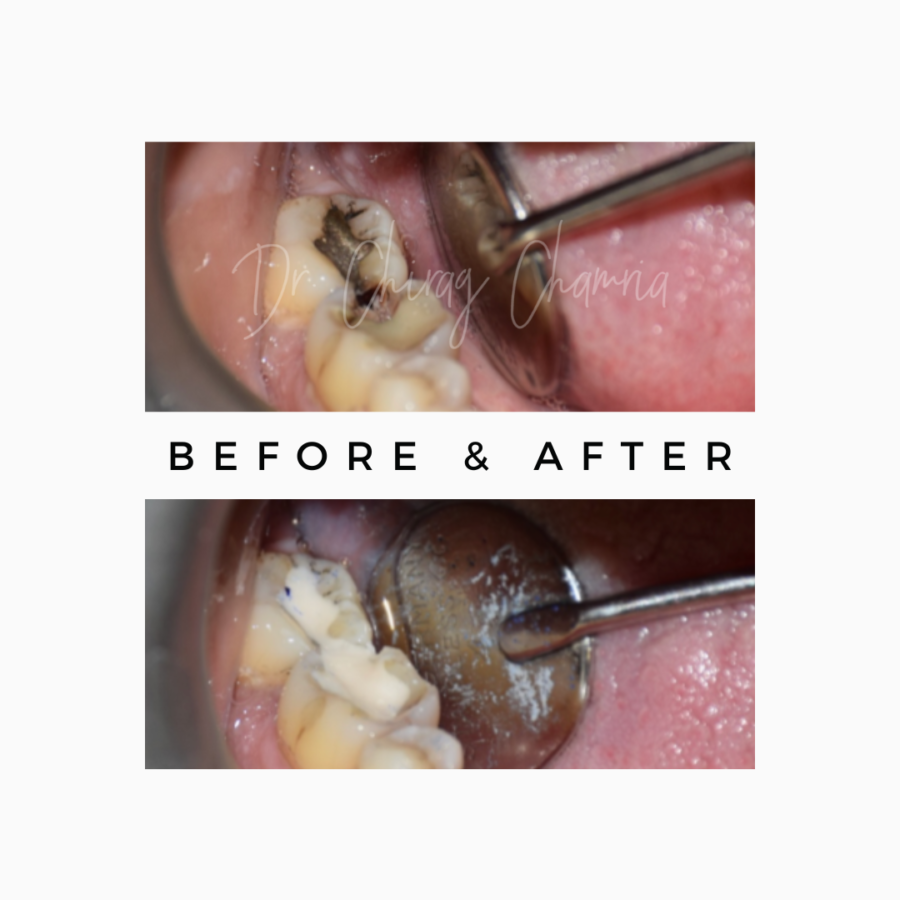
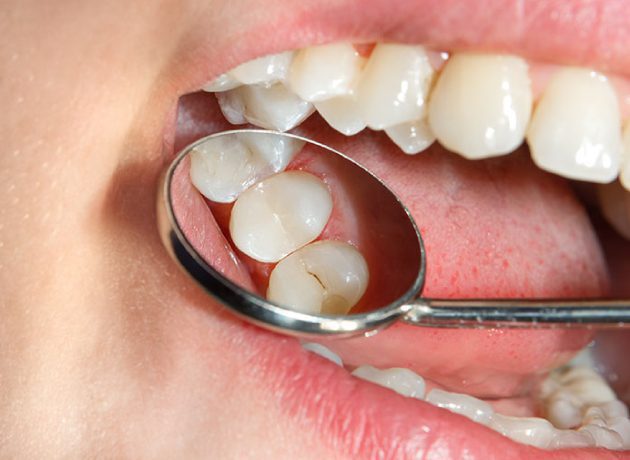
How to care for your Dental Sealants
To ensure that your dental sealants last as long as possible, it is important to take good care of them. The best way to do this is to brush and floss your teeth regularly and to visit the oral surgeon for regular checkups. This will help to ensure that the sealants are not damaged or worn away by plaque or bacteria. It is also important to avoid biting down on hard objects, such as ice or hard candy. This can cause the sealant to chip or break, leaving the teeth unprotected. Finally, it is important to avoid using tooth whitening products on sealed teeth. Visit your dentist to know more.
When to replace your Dental Sealants?
Most dental sealants can last up to 10 years. However, it is important to have them checked regularly, as they may need to be replaced sooner if they become damaged or worn away. It is also important to have them replaced if they become discoloured. Your dentist will be able to tell you when it is time to replace.
If you are not a candidate for dental sealants, there are other ways to protect your teeth from decay and cavities. For example, brushing and flossing regularly can help to remove plaque and bacteria from the teeth. In addition, eating a healthy diet and avoiding sugary foods and drinks can help to reduce the risk of decay. Finally, fluoride treatments can help to strengthen the teeth and make them more resistant to decay.
- Fluoride varnish: This is a liquid fluoride that is applied to the teeth and helps to strengthen the tooth enamel and prevent decay.
- Xylitol: This is a natural sweetener that has been shown to reduce the amount of bacteria in the mouth that can cause tooth decay.
- Good oral hygiene: Brushing your teeth twice a day with fluoride toothpaste and flossing regularly can help remove plaque and prevent tooth decay.
- Dietary changes: Limiting sugary and acidic foods and drinks can also help prevent tooth decay.
Conclusion
They are an effective and relatively inexpensive way to protect your teeth from decay and cavities. They are easy to apply and can last up to 10 years. However, there are some risks associated with the procedure, and it is important to take care of your sealants and have them replaced when necessary. With the right information, you can make an informed decision about whether or not dental are right for you. Overall, dental sealants are a safe and effective way to prevent tooth decay and maintain good oral health. Talk to your dentist to see if dental sealants are a good option for you or your child.