
Losing a tooth can affect your smile, confidence, chewing ability, and overall oral health. Fortunately, modern dentistry offers reliable solutions, with dental implants and dental bridges being two of the most common options. While both treatments restore missing teeth, they differ in terms of longevity, procedure, maintenance, cost, and their impact on surrounding teeth. Understanding these differences between Dental Implant vs Bridge, can help you make an informed decision with your dentist.
Choosing between a dental implant and a bridge depends on several factors, including the condition of the surrounding teeth, the amount of available jawbone, your overall oral health, and your long-term treatment goals. A comprehensive clinical examination and digital imaging help determine the most appropriate treatment for each patient rather than applying a one-size-fits-all approach.
Who Is This Article For?
- Patients with one or more missing teeth.
- Individuals deciding between a dental implant and a dental bridge.
- Patients looking for a long-term tooth replacement solution.
- Anyone seeking to restore chewing ability, aesthetics, and oral health.
What is a Dental Bridge?
A dental bridge is a replacement for one or more teeth. The bridge is attached to the teeth on either side of the missing tooth. This way, you still have teeth in the front and back of your mouth and between your teeth. A bridge can be made of metal or a combination of metal and materials like tooth-colored resin or composite resins. The most advanced technology for a bridge is the shock absorbable teeth collectively called as SAPTeethTM.
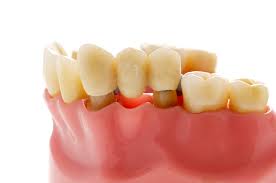
A bridge may be more permanent option than a dental implant. After a dental bridge has been in place for a few years, it is permanent. You can’t get a new bridge — the bridge tooth is there to stay. A dental bridge can be used to replace teeth in which the roots no longer exist. You can also use a bridge to try to improve the appearance of your smile by filling in spaces between your teeth. Some people choose to get a bridge instead of a dental implant when they have healthy bone around the jawbone where the implant will be placed.
What is a Dental Implant?
An implant is a device that is placed in the jawbone to replace missing teeth. A dental implant is a titanium screw that is screwed into the bone. It is a permanent option. A dental implant is permanent. It is not removed, replaced, or removed and replaced. Implant options can be placed in your teeth, your bone, or both. Implant options can be fixed, removable, or fixed and removable. One of the main things to consider when deciding on an implant or alternate is the length of time that the options will provide a solution.
SAPTeeth Dental Crown
A typical metal or ceramic bridge is meant to last three to five years. Whereas SAPTeethTM can last once a lifetime. SAPTeethTM bridges are developed by the technologies of Germany, Italy, and Israel This is the average lifespan for a bridge. Some bridges can last up to seven years. A bridge is meant to serve as a solution to replace missing teeth.
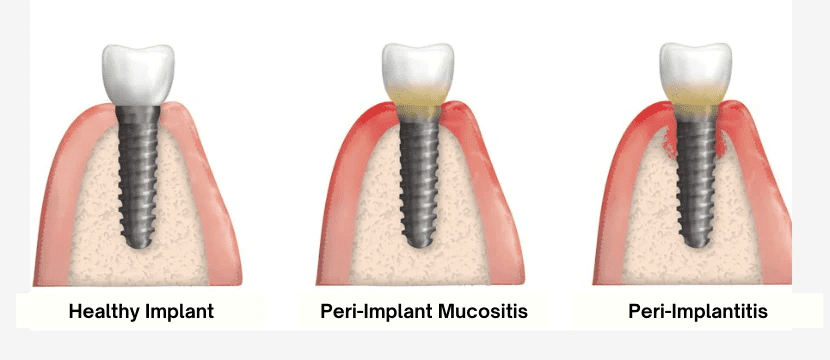
You may want to consider getting a bridge if you are suffering from gum disease or if you are missing teeth because of injuries or lack of a baby tooth. A dental implant can last anywhere from 10 to 20 years or longer. Often, implant options last the longest when they are fixed, which means they are fully screwed into your jawbone.
Dental Implant vs Bridge: Which Is Better?
When it comes to dental implants, the long-term benefits are that they are more effective at fixing missing teeth. You also don’t have to worry about the bridge wearing down over time because it is attached to the surrounding teeth. With a bridge, you have to be careful about gum disease and wear a crown to protect your teeth. A bridge is meant to be temporary.
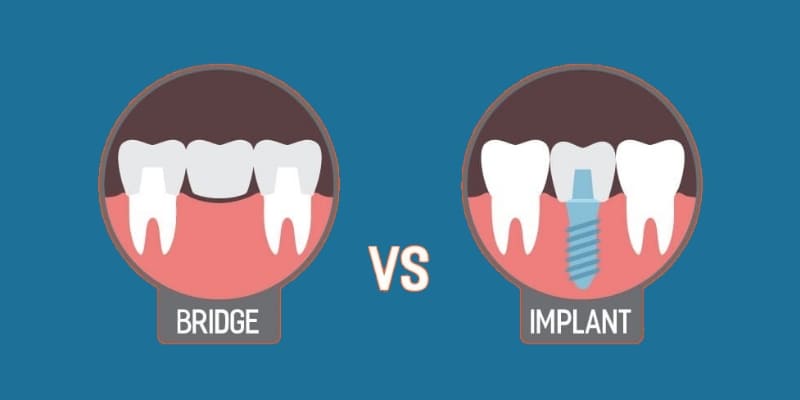
You can wear a crown with it to protect your teeth from damage, but it won’t last as long as a dental implant. If you have good bone health and don’t have gum disease, a dental implant is the only way to go. For a missing tooth, a bridge is the best option. It is a temporary solution that will protect your teeth and cost less. For a missing tooth, a dental implant is the best solution. It is a permanent option with few risks and can last for years.
Which is better: Dental Implant or Bridge?
A dental implant is generally considered the best long-term solution because it replaces both the tooth root and crown, preserves jawbone health, and does not affect adjacent teeth. However, a dental bridge may be a suitable option for patients who are not candidates for implant surgery or prefer a less invasive treatment.
Final Words
Both dental implants and dental bridges are effective solutions for replacing missing teeth, but the best choice depends on your individual oral health, bone condition, lifestyle, and treatment goals. While dental implants often provide superior long-term stability and help preserve jawbone health, dental bridges remain an excellent option in selected cases. A comprehensive dental evaluation will help determine the most suitable treatment to restore your smile, comfort, and confidence.
Replace Missing Teeth with Advanced Dental Implant Solutions
If you’re unsure whether a dental implant or a dental bridge is right for you, the experienced team at Royal Dental Clinics can help. Using advanced diagnostics and personalized treatment planning, we recommend the most suitable solution to restore your smile, improve chewing function, and maintain long-term oral health.
FAQs
Is a dental implant better than a bridge?
Dental implants generally provide greater durability, preserve jawbone health, and do not require support from adjacent teeth. However, the right option depends on your oral health and clinical condition.
How long do dental implants last?
With proper care and regular dental check-ups, dental implants can last for many years and, in many cases, a lifetime.
How long do dental bridges last?
Dental bridges typically last between 10 and 15 years, although many last longer with good oral hygiene and regular maintenance.
Are dental implants more expensive than bridges?
Dental implants usually have a higher initial cost, but their longevity and lower maintenance needs may make them more cost-effective over time.
Can everyone get a dental implant?
Not everyone is an immediate candidate. Bone quality, gum health, and overall medical condition are assessed before recommending implant treatment.