
A dental filling is one of the most effective treatments for repairing teeth damaged by cavities before the decay becomes severe. Treating tooth decay early with a dental filling helps restore the tooth’s strength, function, and appearance while preventing the infection from spreading deeper into the tooth. In many cases, timely treatment with a dental filling can reduce the likelihood of needing a root canal treatment or even a dental implant in the future.
Who Is This Article For?
- Patients diagnosed with dental cavities.
- Individuals experiencing tooth sensitivity or mild tooth pain.
- Anyone wondering whether a dental filling can prevent tooth loss.
- Patients considering dental implants due to untreated decay.
What to do for dental caries?
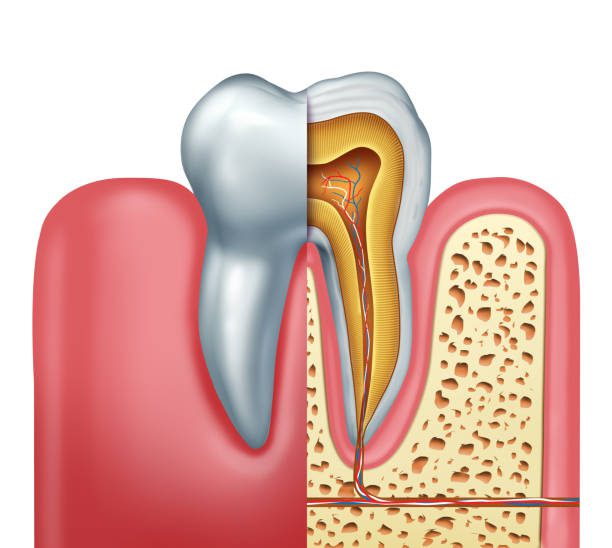
Cavities are shallow pits and can be easily detected during an oral prophylaxis appointment. Cavities must be immediately treated with pit and fissure sealants. This helps to prevent further decay and root canal treatment. Moderate cavities are slightly deeper and do not reach the pulp but can be treated with a dental filling. Patients with moderate tooth decay present with pain and sensitivity to heat and cold. Cavities very close to the pulp can treated with various pulp capping agents.
Dr Arun Chamria illustrates a striking example using a Mango as metaphor for your teeth. “When a part of Mango is decayed, and left unattended; the whole mango gets decayed.”
Deep cavities with throbbing pain, may get the pulp roots infected. A filling will not help in treating the infection which has reached the pulp. Even antibiotics will not resolve the infection completely. Hence a well performed root canal treatment is a pre requisite for successful outcome and to restore the function of a tooth. Similarly, for tooth decay to not progress, a filling is absolutely necessary. The first step towards a tooth decay is to see a dentist and get it treated.
The fear of visiting a Dentist only aggravates the situation and once the decay enters the pulp chamber, it’s too late and will not only be painful but also result in tooth loss. Dr. Chamria further reiterates that if teeth filling are done on time, it can prevent tooth loss and thereby replacement through implants or bridge. It is thereby necessary to visit your dentist every 6 months. When it comes to Dental treatments, time is of the essence.
How Long Does a Dental Filling Last?
It can last for many years when maintained with good oral hygiene and regular dental check-ups. The lifespan depends on the filling material, the size of the cavity, and your oral habits. Brushing twice daily, flossing, and avoiding excessive sugary foods help prolong the life of a dental filling and protect your natural teeth.
Root Canal if Dental Filling is not possible
A root canal infection when left untreated can spread beyond the tooth as well. The infection can spread to the adjacent teeth, jaws and even the blood stream. Bacteria from the pulp can travel all the way from the root enter into the periapical region and continue its spread to the sinus and facial spaces causing space infections.
Infections passing beyond the root apex leads to bone loss resulting in weakening of supporting structures of teeth leading to tooth mobility and eventually loss of tooth. If these lost teeth, not replaced the surrounding teeth shift causing pathological migration and Supra eruption of teeth.
If dental filling is not possible because the damage or decay to the tooth is too extensive, a root canal may be recommended by your dentist. A root canal is a procedure that is performed to remove the infected or damaged pulp from the inside of the tooth, and then fill and seal the tooth to prevent further infection or damage.
During a root canal, the dentist will numb the area around the tooth and create an opening in the top of the tooth to access the pulp. They will then use specialized tools to remove the damaged or infected pulp from the tooth, clean and shape the inside of the root canals, and fill them with a biocompatible material.
Dental Implant after multiple dental fillings
It is a great way to replace a missing tooth. The metal rod acts as a root of the tooth and its counter portion designed for placement of crowns, bridges or dentures. One should keep in mind the consequences of delaying or not undergoing fillings of decayed teeth on time. Visit to a dentist every 3-6 months helps to keep a check on your oral hygiene and prevent caries avoiding the need for tooth replacement by implants.
The fear of visiting a Dentist only aggravates the situation and once the decay enters the pulp chamber, it’s too late and will not only be painful but also result in tooth loss. Dr. Chamria further reiterates, “If teeth fillings are done in time; it can prevent implant in future. It is thereby necessary to visit your dentist every 6 months. When it comes to Dental treatments, time is of the essence.”
Dental Implant after multiple dental fillings
Dental fillings are a common treatment used to restore teeth that have been damaged by decay or injury. While dental fillings can help to prevent further decay and damage to the tooth, they do not directly prevent the need for a dental implant in the future.
Dental implants are used to replace missing teeth or teeth that cannot be saved with other treatments such as fillings, root canals, or crowns. Implants are designed to mimic the look and function of natural teeth and are anchored into the jawbone to provide a stable foundation for replacement teeth.
If a tooth has decay or damage problem that is too extensive to be treated with a filling, a dental crown may be recommended. A crown can help to protect the tooth from further damage and decay, but it may not be a permanent solution. In some cases, a tooth that has been treated with a crown may still require an implant in the future.
Ultimately, the need for a dental implant will depend on a variety of factors, including the extent of damage to the tooth, the patient’s overall oral health, and their preferences for treatment. Your dentist or dental specialist can provide you with more information about your options for dental treatment and help you make an informed decision about your care.
When Should You See a Dentist?
If you notice tooth sensitivity, pain while chewing, visible holes in your teeth, or food getting stuck between teeth, schedule a dental examination as soon as possible. Early diagnosis allows your dentist to treat the problem with a dental filling before the decay progresses to the tooth’s nerve, reducing the need for more complex treatments.
Conclusion
A dental filling is a simple and effective way to stop tooth decay before it causes irreversible damage. While a dental filling cannot always prevent the need for a dental implant, treating cavities early significantly increases the chances of preserving your natural tooth. Regular dental visits and timely treatment remain the best way to avoid root canal therapy, tooth extraction, and future tooth replacement.
Save Your Natural Tooth with Early Treatment
Think you may have a cavity? Don’t wait until the damage becomes severe. Book an appointment at Royal Dental Clinics today and find out whether a dental filling can restore your tooth before more advanced treatment becomes necessary.
FAQs
Can a dental filling prevent a dental implant?
Yes. A dental filling can often prevent the need for a dental implant by treating tooth decay before it causes irreversible damage to the tooth.
When is a dental filling not enough?
If the decay has reached the dental pulp and caused infection, a root canal treatment or tooth extraction may be required instead of a filling.
How long does a dental filling last?
Depending on the material used and your oral hygiene, most dental fillings can last between 5 and 15 years or longer.
Can cavities come back under a dental filling?
Yes. Poor oral hygiene or damage to the filling can allow new decay to develop around or beneath the restoration.
How can I avoid needing a dental implant?
Maintain good oral hygiene, attend regular dental check-ups, and treat cavities early with a dental filling whenever possible.
© All rights reserved by Royal Dental Implants Pvt Ltd
Issued in public interest