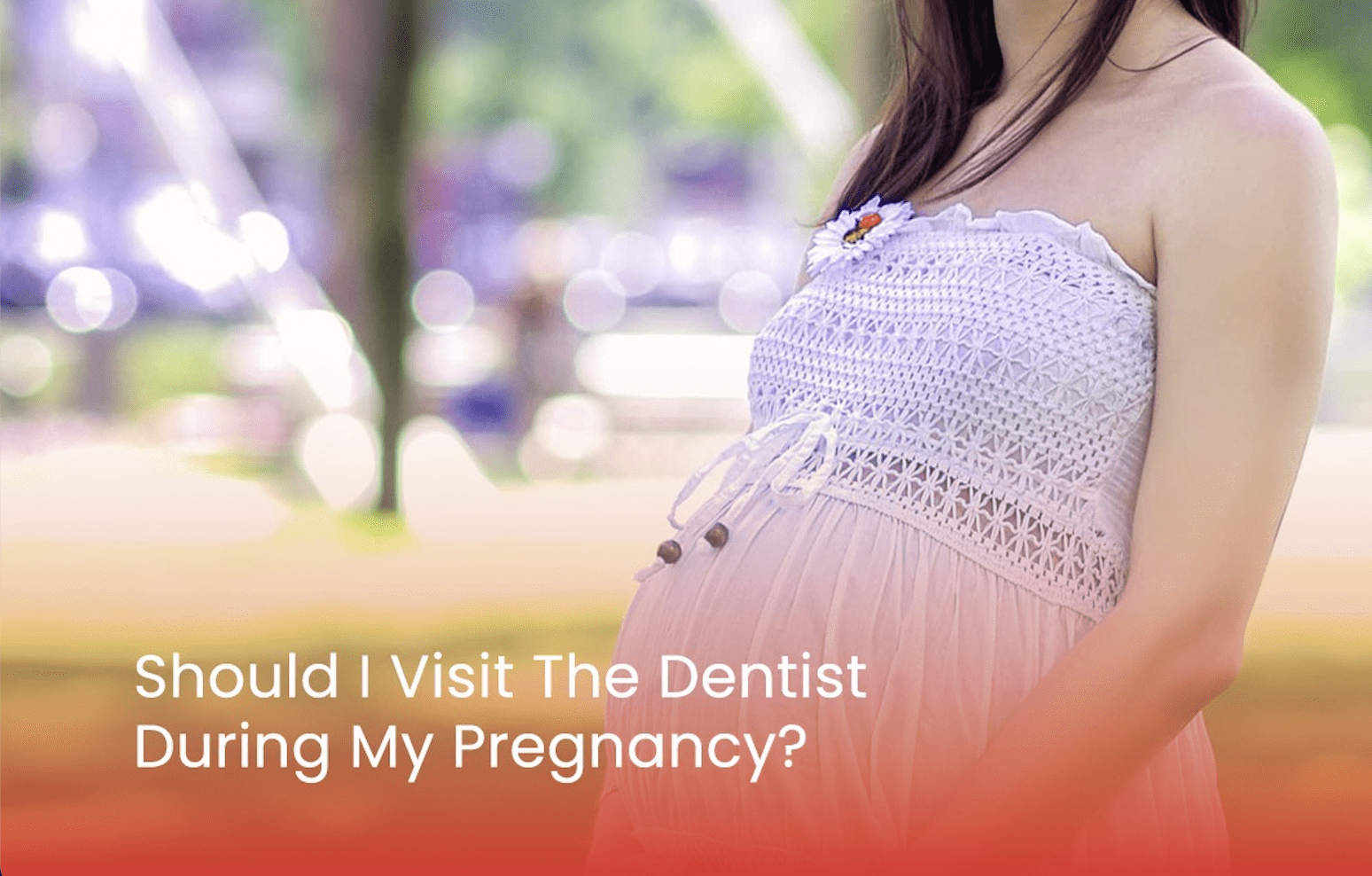
In between trips to the doctor, hospital tours and setting up the nursery, don’t let visiting the dentist fall off your pregnancy to-do list before your child comes. Getting a regular dental checkup during pregnancy is safe and important for your dental health. You can take care of oral cleaning and mild procedures like cavity fillings before your baby is born, but your dentist in pregnancy, can help with pregnancy related dental symptoms you might be experiencing.
Pregnancy causes several hormonal changes in a women’s body. The link between pregnancies has its effect on periodontal disease and vice-versa. Recent evidence states that periodontal disease after the systemic health of the patient and elevates the risk for low birth weight, preterm infants. Can I visit a Dentist in Pregnancy for dental checkup? Why not.
Who Is This Blog For?
This blog on dentist in pregnancy is for expecting mothers who are unsure whether it is safe to keep up with dental checkups while pregnant. It is especially useful for women experiencing symptoms like bleeding or swollen gums, since pregnancy gingivitis is extremely common and often overlooked as just a normal part of pregnancy. It is also relevant for those noticing unusual growths or lumps on their gums, as pregnancy tumors can cause worry even though they are not cancerous. Additionally, this blog is helpful for women planning a pregnancy who want to address any dental issues beforehand, as well as partners or family members looking to understand why oral health matters so much during this stage of life.

Dental Issues | Visiting Dentist in pregnancy
Pregnancy Gingivitis
Seen in 30-100%of all pregnant women. Its characterized by redness, puffy gums increased bleeding. It ranges from mild to severe forms. This is mainly due to elevated hormonal levels which causes an exaggerated response to plaque. Anterior region and inter proximal sites of the mouth, more often affected.
Pyegenic Granuloma
Also known as pregnancy tumors, occur in 0.2% to 9.6% of pregnancies. Most commonly seen in 2nd or 3rd month of pregnancies. In addition Clinically, they bleed only and are hyperplastic and nodular. May sessile or pedenculated and ulcerated. The lesion occurs in an area of gingivitis. Its associated with poor oral hygiene. Hence, Alveolar bone loss not associated with pyogenic granuloma of pregnancy.
Don’t let the word ‘tumour’ worry you as these growths are not cancerous. A pregnancy tumour is an extreme inflammatory reaction to a local irritation of food lodgement. The tumours occur in up to 10% of pregnant women and often in women who also have pregnancy gingivitis. Do visit your dentist for dental checkup regularly.
Periodontal disease and pre-term, low-birth weight infants
Untreated periodontal disease in pregnant is a risk factor for preterm (<37 weeks of gestation), low-birth –weight (<2500 gms) infants. The results by translocation of bacterial products like (LPS) and the action of maternally produced inflammatory mediators. Inflammatory mediators such as PGE2 and TNF-alpha, raised to high levels by the infection process which may cause premature labor.
Mothers with the most severe periodontal disease delivered the most prematurely, at 32 weeks. It’s unclear whether treating gum disease reduces the risk of preterm birth but there is a co-relation between pregnancy and gum diseases.
To avoid the pregnancy related oral issues it is advised to seek dental consultation or visit a dentist before pregnancy.
Apart from the clinical findings other oral manifestation include Xerostomia, enamel erosion. In addition establishing a healthy oral environment and maintaining optimal oral hygiene levels are primary objectives in a pregnant patient. Hence the second trimester is the safest period for getting routine dental care.
Most dental services and procedures, including dental x-rays, tooth extractions, dental fillings, and dental cleanings, can be done during pregnancy safely, with tooth extractions recommended during your second or third trimester. Fillings should be discussed with your dentist beforehand.
Conclusion
Visiting a dentist in pregnancy is not just safe, it is an important part of taking care of both your health and your baby’s. Hormonal changes during pregnancy can lead to issues like gingivitis, pregnancy tumors and increased sensitivity, and left untreated, these can even be linked to complications like preterm birth or low birth weight. The good news is that most dental procedures, including cleanings, fillings and even extractions when necessary, can be safely performed during pregnancy, with the second trimester being the ideal window for routine care. Do not let pregnancy push your dental health to the back burner. Schedule a checkup with your dentist so you can address any concerns early and enjoy a healthy pregnancy from head to toe.
FAQs
1. Is it safe to visit the dentist during pregnancy?
Yes, routine dental care is safe throughout pregnancy, with the second trimester generally considered the best time for non-emergency treatments.
2. What is pregnancy gingivitis?
It is a common condition marked by red, swollen or bleeding gums caused by hormonal changes that intensify the body’s response to plaque.
3. Are pregnancy tumors on the gums dangerous?
No, despite the name, pregnancy tumors are not cancerous. They are inflammatory growths that usually shrink or disappear after childbirth.
4. Can gum disease during pregnancy affect the baby?
Untreated periodontal disease has been linked to a higher risk of preterm birth and low birth weight, so managing gum health is important.
5. Can I get dental X-rays or fillings while pregnant?
Most dental procedures, including X-rays and fillings, can be done safely during pregnancy, though it is best to discuss timing with your dentist.
6. When is the best time to get dental treatment during pregnancy?
The second trimester is generally considered the safest window for routine dental treatments and non-urgent procedures.