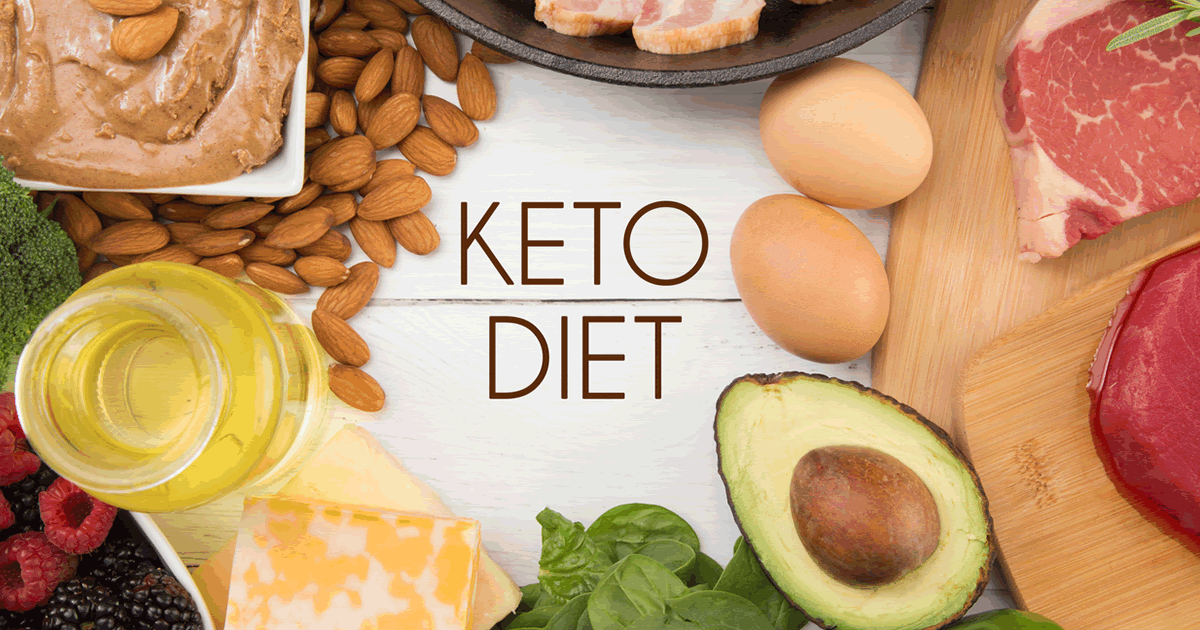
Keto diet is a low carbohydrate and high fat diet. It has gained popularity among many people who are conscious about their health. This diet has supposedly excellent weight loss potential as well as it provides benefits for oral health. It cuts down the amount of carbohydrate intake. It is rich in proteins such as meat, poultry, fish, eggs, nuts and seeds, milk, beans, yogurt, cheese. As it is a carbohydrate sparing diet, the body begins to burn fat in place of glucose. So, when the body takes this alternate pathway for energy, there is a presence of ketosis. Ketosis produces three types of ketones as byproducts of fat namely acetoacetate, beta hydroxyl butyrate and acetone. Will Keto Diet affect my Oral Health?
Who Is This Blog For?
This blog on keto diet and oral health is for anyone following or considering a ketogenic diet who wants to understand its impact on their teeth and gums. It is especially useful for people who have noticed changes in their breath or mouth dryness since starting keto, as well as those dealing with cavities or gum disease who are exploring how diet changes could support better oral hygiene. It is also relevant for health conscious individuals researching the diet’s overall pros and cons before committing to it long term. And for anyone confused about whether a low carb lifestyle helps or harms their smile, this blog breaks down both the benefits and the drawbacks in one place.
Effects of Keto Diet on Oral health:
Reduce Plaque Formation
A positive effect of keto diet is that it can reduce the plaque build up in the mouth. Plaque formation occurs when carbohydrates are converted into sugars by the bacteria. The bacteria thrive on this sugar and produce acids leading to their colonisation and encouraging biofilm formation thus, limiting in plaque formation.
Destroy Oral Cavities
Cavities are formed due to presence of sugar in the oral cavity. These sugars demineralize the tooth structure and make them weak. Keto diet doesn’t include any sugary intake which stops the cavity formation in the mouth. Fewer carbs leads to processed sugar, so the keto diet may improve your oral and overall health (despite the bad breath). A low-carb diet can help reduce cavities, gum disease and inflammation, according to a study by BMC Oral Health.
Reduce Gum Disease
Gums cover the root surface of the teeth. The reduction in sugar helps in making the gums strong and healthy. Issues such as gingival inflammation, periodontal infection are prevented. So, the teeth will become automatically healthy once the gums are germ free.
Saliva Acidity and Dry Mouth
In keto diet, as there is low intake of sugar, the saliva becomes acidic. More acidic taste is seen in people consuming keto diet as compared to the sweet one in those following a normal balanced diet. It makes the mouth dry due to which gums and teeth are affected.
Bad Breath
One of major negative impacts of keto diet is halitosis. Halitosis means bad breadth. This is mainly due to Ketone formation. Ketones are chemicals that are present in the body but their higher rate of formation gives a distinct taste and odor in the mouth. One of the ketones produced by the ketogenic diet is Acetone that cannot be used for energy storage. So it is released from the body through lungs and urination. Hence we get bad breadth in oral cavity.
Methods for Reduction of Bad Breadth are
- Increase water consumption will impact oral health better.
- Focus on oral hygiene and brush twice a day.
- Masking bad breadth with chewing gums, mints, mouthwash.
- Slightly decrease protein intake.

Side Effects of the Keto Diet on Oral Health
If your weight is causing health problems for you and a nutritious diet and exercise has been difficult to control, speak with your healthcare professional about the keto diet and ask if they have any other weight-loss recommendations for your specific needs.
- Heart related disease
- Kidney related issues
- Constipation
- Nutrient deficiency
- Liver related problems
- Clouded thinking
- Ketosis breath
Therefore, keto diet has benefits as well as side effects on oral health. However if the side effects can be controlled, keto diet is beneficial for the teeth and gums. Be sure to speak with your healthcare professional about any major changes you plan to make in your diet to achieve rapid weight loss. While it’s true that a keto diet may offer benefits for your weight and overall health, it has drawbacks as well. Whatever you end up doing to drop some pounds, we hope you and your healthcare professional can find a regimen that helps you fulfill your goals and makes you smile!
Conclusion
The connection between keto diet and oral health is more layered than it first appears. On one hand, cutting carbohydrates can reduce plaque buildup, lower cavity risk and support healthier gums. On the other hand, side effects like bad breath and dry mouth are common concerns that come with the diet. The right approach is balance. If you are following keto, pair it with good oral hygiene habits, proper hydration and regular dental checkups so you can enjoy the benefits without letting the drawbacks take over. As always, it is best to speak with your dentist and healthcare provider before making major dietary changes.
FAQs
1. Does the keto diet improve oral health?
It can. Since keto significantly reduces sugar intake, it may lower plaque buildup and reduce the risk of cavities and gum disease.
2. Why does keto cause bad breath?
Bad breath on keto is caused by ketones, particularly acetone, which are released through the breath as the body burns fat for energy instead of glucose.
3. Can keto diet cause dry mouth?
Yes. Lower sugar intake changes saliva composition, making it more acidic, which can lead to dry mouth and affect gum health if not managed properly.
4. Is keto bad for teeth and gums?
Not inherently. In fact, reduced sugar intake often benefits teeth and gums, though side effects like dry mouth need to be managed with proper hydration.
5. How can I reduce bad breath while on keto?
Drink more water, maintain consistent oral hygiene, use sugar free mints or mouthwash and consider slightly reducing protein intake if breath issues persist.
6. Should I consult a dentist before starting keto?
It is a good idea, especially if you already have gum disease, cavities or other oral health concerns that could be affected by major dietary changes.