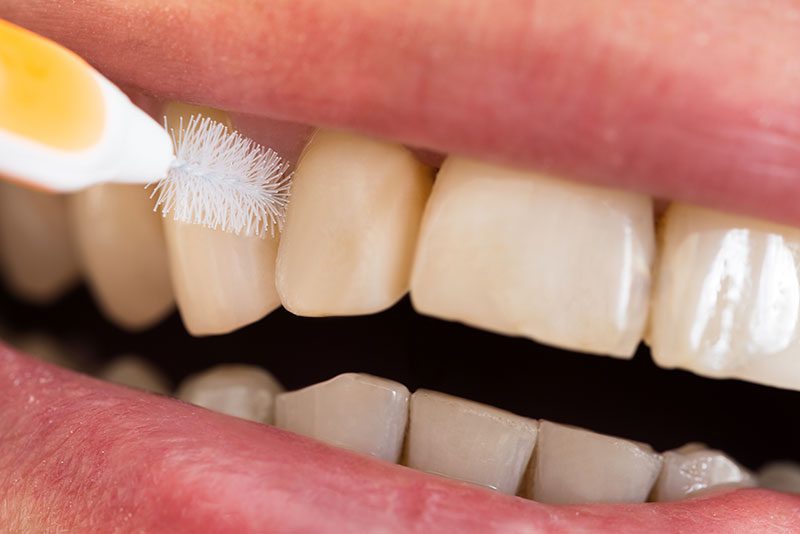
Most people often after 40 ask, “Can gum disease be cured with flossing?” This is one of the most common questions people ask when they notice bleeding or swollen gums. When we think about oral health, the first things that come to mind are brushing and flossing. These two habits are essential for good oral hygiene and are the foundation of healthy teeth and gums for life. However, many people wonder whether flossing alone is enough to fight gum disease. While flossing is one of the most effective ways to remove plaque and help prevent periodontal disease, advanced gum disease often requires professional dental treatment.
Who Is This Article For?
- People with bleeding or swollen gums
- Individuals who want to improve their flossing routine
- Patients diagnosed with gingivitis or periodontal disease
- Anyone looking to prevent gum disease naturally
What is Gum Disease?
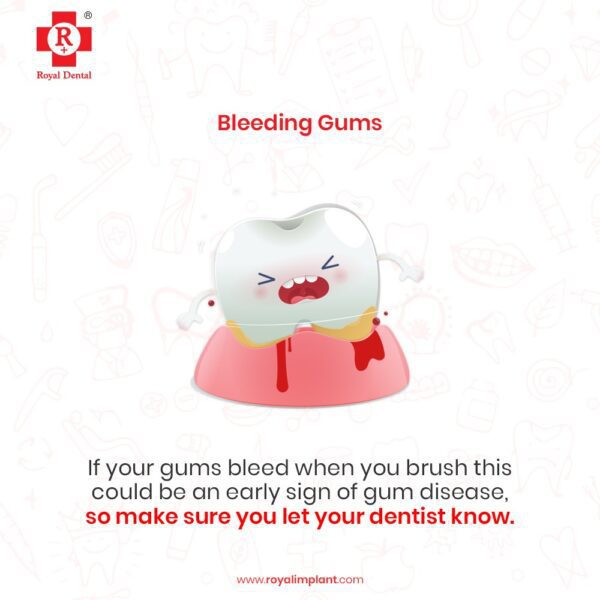
Gum disease, better known as periodontal disease, is an inflammatory condition affecting the tissues surrounding your teeth caused by bacteria in your mouth. The bacteria cause inflammation and irritation of your gums, resulting in bleeding, swelling, and a decrease in the attachment of your gums to your teeth. Gum disease is a chronic condition that can be reversed with proper treatment, but it can also be fatal if left untreated. That is why it is so important to prevent it in the first place.
How to floss your gums properly?
The best way to learn how to floss your gums is to go to your dentist and have them show you first-hand. However, dentists recommend that you use a floss threader (a small loop of dental floss that makes it easier to thread floss into your back teeth and around any dental equipment you may have).
Flossing your gums is as important as flossing between your teeth, if not even more. It helps remove plaque, debris, and bacteria from between your teeth and under your gum line. It is also important to note that you should never use a metal dental floss to clean under your gum line. When cleaning under the gum line, you want to go with a soft dental floss. If you use a metal dental floss, you run the risk of damaging your gum line and even cutting into your gums.
Is flossing enough to cure Gum Disease?
Although flossing your gums is an excellent way to prevent gum disease, it is not enough to cure gum disease. To fully cure gum disease, you must visit your dentist at least twice a year to have your teeth and gums examined, have your teeth cleaned, and have any gum disease removed. In addition to seeing your dentist, you can also do more to prevent and even reverse gum disease.
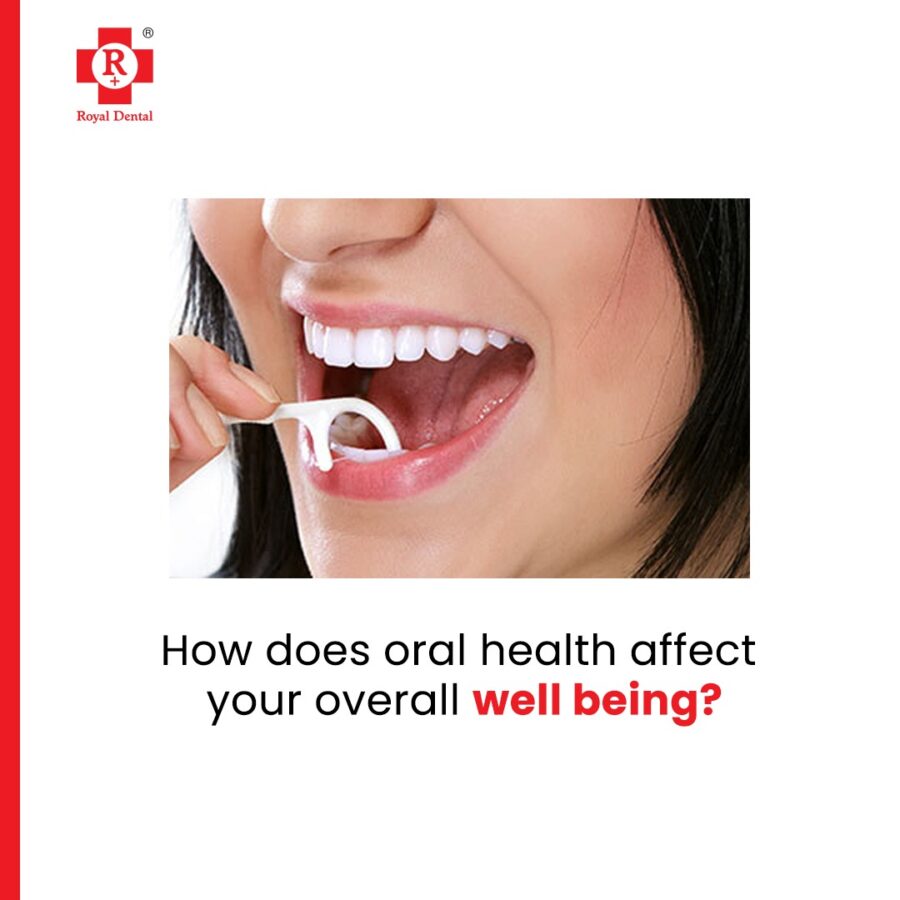
One of the simplest things you can do is drink plenty of water. Doing so will help cleanse your mouth of harmful bacteria, which can lead to gum disease if left unchecked. Another thing you can do is eat a balanced diet. Make sure that you eat plenty of fresh fruits and vegetables, as well as fish and nuts, which are high in omega-3 fatty acids that can prevent gum disease. You can also consider adding an anti-inflammatory to your diet to help further reduce the risk of gum disease.
The benefits of fluoride
One of the best ways to prevent gum disease is to use a toothpaste with fluoride. Not only does fluoride fight bacteria and prevent gum disease, but it can also reverse the progression of gum disease if you already have it. Fluoride is a mineral that has been used in dental care products since the 1940s. It is a natural mineral that occurs in water and soil, and it is even produced by the pine trees that produce pine nuts. The main function of fluoride is to decrease the rate of tooth decay. There are a few different types of fluoride that are used in dental hygiene products (liquid, gel, and paste). The type of fluoride you should use depends on a few things, including your age and the condition of your teeth and gums.
Other ways to prevent periodontal disease
Eating a balanced diet: as we mentioned above, eating a balanced diet is a great way to prevent gum disease. Make sure to eat plenty of fresh fruits and vegetables, fish, and nuts, all of which are high in omega-3 fatty acids.
Using a mouthwash: using a mouthwash is another great way to keep your mouth clean and prevent gum disease. Make sure to choose one that has fluoride and antibacterial properties.
Brushing twice a day: make sure you brush your teeth and tongue twice a day for two minutes each time.
Taking care of your overall health: make sure you are taking care of your general health. This includes getting enough sleep, eating right, and exercising regularly.
Visiting your dentist twice a year: make sure you visit your dentist at least twice a year. This is when they will examine your teeth and gums to determine if you have any gum disease. If you do, they will clean and treat it.
Conclusion: Gum Disease Be Cured with Flossing
Bleeding gums and persistent gum problems shouldn’t be ignored. Our experienced dental team provides comprehensive gum health evaluations and personalized treatment plans to help prevent further damage and preserve your natural teeth.
Book your consultation today and receive a personalized gum health assessment and treatment roadmap for healthier gums and a stronger smile.
FAQs
Can gum disease be cured by flossing?
Flossing can help reverse early-stage gum disease (gingivitis) by removing plaque between the teeth. However, advanced gum disease (periodontitis) usually requires professional dental treatment.
Does flossing help stop bleeding gums?
Yes. If bleeding is caused by plaque buildup and early gingivitis, regular flossing can improve gum health over time. Persistent bleeding should be evaluated by a dentist.
How often should I floss?
Dentists generally recommend flossing at least once a day to remove plaque and food particles from areas your toothbrush cannot reach.
Can flossing replace professional dental cleaning?
No. Flossing is an important part of daily oral hygiene, but it cannot remove hardened tartar. Professional cleanings are still necessary.
What happens if gum disease is left untreated?
Untreated gum disease can progress to periodontitis, leading to gum recession, bone loss, loose teeth, and eventually tooth loss.