

As a general dentist, you may not have the time or training to offer specialized services. However, that doesn’t mean you can’t help your patients at all when they come in with a tooth problem. There are several issues that general dentists are perfectly equipped to handle. Whether you specialize in endodontics or not, it is possible to perform a root canal treatment and dental crown on a patient if necessary. If you perform general dental services and have had inquiries about the procedures, this blog post is for you! Read on for more information on the role of the general dentist in the provision of these services and how you can do both when appropriate.
Who Is This Article For?
- Patients needing root canal treatment
- Individuals requiring a dental crown
- People experiencing tooth infection or severe decay
- Patients deciding between a general dentist and specialist
- Anyone looking to save a damaged tooth
What is a root canal treatment?
A root canal treatment is a procedure that removes the pulp inside a tooth and replaces it with a filling material. The pulp inside teeth is important, as it contains blood vessels and nerves that help the tooth continue to function. If the pulp becomes diseased or injured, however, it can cause toothache, swelling of the gums, and even tooth loss. Thus, it’s important to treat the pulp during a root canal procedure and remove it completely, as it cannot be treated with antibiotics.
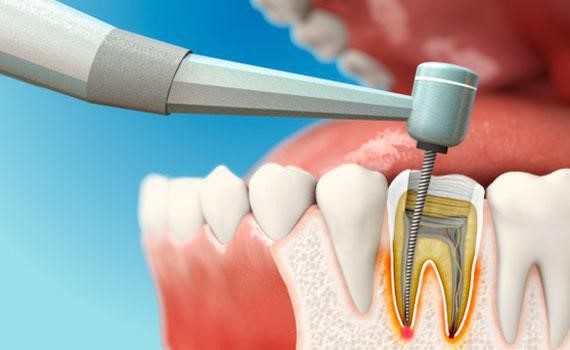
During a root canal treatment, the inside of the tooth is thoroughly cleaned out and the damaged or diseased pulp tissue is removed. The inside of the tooth is then washed and filled with a filling material such as gutta-percha, mineral, or acrylic. Root canals usually take one to two visits, depending on the tooth, and can sometimes be performed without local anesthesia. However, a visit to the dentist for a root canal may be the most painful dental experience a person has ever had!
Is a root canal Crown always necessary After Treatment?
A root canal is often necessary for several reasons. First, the tooth may have been injured and require healing time before a crown can be placed. Second, the tooth may have had a large filling and the dentist may decide to replace the whole tooth rather than attempt to repair the existing filling. Finally, the tooth may have had a small cavity and the dentist decided to treat it rather than fill it.

The decision to perform a root canal before a crown is ultimately up to the dentist. If a tooth requires a root canal, the dentist may postpone the crown until the tooth has healed. Alternatively, the dentist may choose to perform a root canal and place the crown right away. If a tooth requires a root canal and the dentist decides to postpone the crown, make sure to return to the dentist every six months for a check-up to make sure healing is progressing as it should.
Can a general dentist perform root canals?
The short answer is yes — but you should be aware of the caveats surrounding this answer. First, you should have the necessary training, a good relationship with the endodontist at your practice, and the time to see these patients. Most importantly, you should have the necessary equipment, such as an ultrasonic tip and syringe for administering anesthetic, as well as an appropriate chair for patients receiving IV sedation.
Root canal treatments are generally done as an outpatient procedure. So the patient doesn’t have to stay in the dental office for six hours. This makes it possible for a general dentist to perform the procedure. However, some patients require the more intensive treatment of IV sedation. If this is the case, you should refer the patient to an endodontist.
Dental crown after a root canal | General Dentist
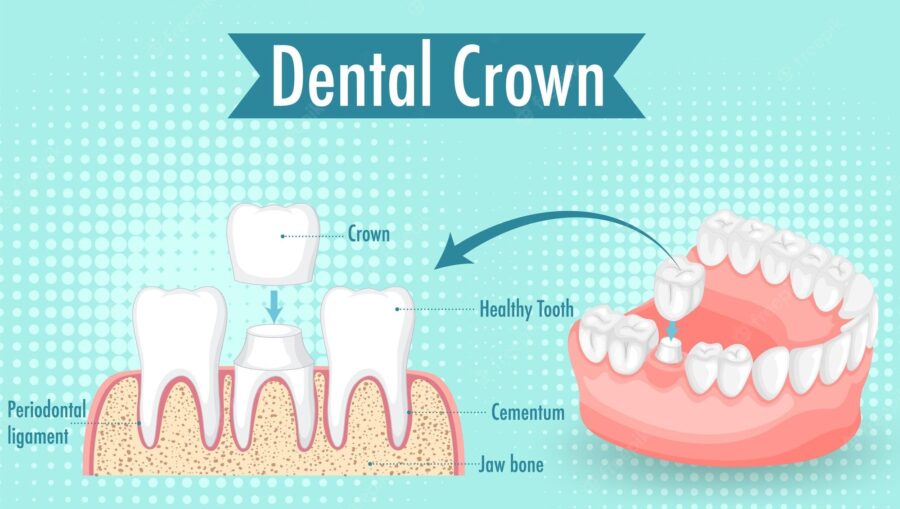
There are two ways to place a crown after a root canal. One way is to pre-fabricate a dental crown at the same time you perform the root canal treatment. This requires an additional visit and extra appointments for the patient before the root canal and crown are completed. Alternatively, a general dentist can place the crown after the root canal has healed. If the root canal was performed in the back of the mouth.
The general dentist may need to use a framework or exchange the existing crown to place a framework. This is a more expensive and time-consuming process compared to fabricating the crown at the same time as the root canal. It’s important to have the necessary time in your schedule and the proper equipment to be able to perform both root canals and crowns.
Conclusion
General dentists are trained to perform both root canal treatment and dental crown placement for many routine cases. While complex situations may require referral to an endodontist, most patients can receive comprehensive care from a general dentist. Proper restoration with a crown helps protect the treated tooth, restore function, and support long-term oral health.
Book Your Consultation
If you are experiencing tooth pain, infection, sensitivity, or have been advised to undergo root canal treatment, the team at Royal Dental Clinics can help. We provide comprehensive root canal therapy and high-quality dental crowns to restore and protect your smile. Book your consultation today.
Frequently Asked Questions
Can a general dentist perform a root canal and crown?
Yes. Most general dentists are trained and qualified to perform both root canal treatment and crown placement.
Do I need a specialist for a root canal?
Not always. Routine cases are commonly treated by general dentists, while complex cases may require an endodontist.
Why is a crown needed after a root canal?
A crown helps protect the treated tooth from fractures and restores its strength and function.
Can I get a crown immediately after a root canal?
Some patients receive a temporary restoration first, followed by a permanent crown once the tooth is ready. The timing depends on the specific case.
Is a root canal better than tooth extraction?
In many cases, saving the natural tooth with root canal treatment is preferable because it preserves normal chewing function and helps maintain surrounding teeth and bone.