

Are Dentists Considered as Doctors is a common question for patients, students, and general readers who want to understand the role of dentists in healthcare. Dentists are trained oral healthcare professionals who diagnose, prevent, and treat problems related to teeth, gums, mouth, jaw, oral hygiene, dental pain, tooth decay, gum disease, missing teeth, and overall oral health.
Why are dentists so important? Because they are medical professionals who help maintain our oral hygiene and prevent dental diseases. Anyone can brush their teeth, but not everyone can be a dentist. It takes years of education to become one and even after that, these professionals need to complete an obligatory Continuing Education program for another two to three years before being licensed as a dentist. Dental hygienists also require four years of training, but because they don’t deal directly with patients, they aren’t considered as medical professionals. However unassuming they may seem to the average person, there are several reasons why dentists are important doctors. Without them, we would all have crooked or missing teeth.
Who is this Article For?
This article is for patients, students, parents, and general readers who want to understand whether dentists are considered doctors and what role they play in healthcare. It is helpful for people who are confused about the difference between a dentist, dental surgeon, and medical doctor.
The article helps readers understand that dentists are trained healthcare professionals who diagnose, prevent, and treat problems related to teeth, gums, mouth, jaw, and oral health. Regular dental visits can help detect oral diseases early and prevent minor dental problems from becoming serious.
Dentists provide oral hygiene care.
A dentist’s primary task is to provide oral hygiene care for their patients. They clean teeth and remove plaque (the sticky film that forms on teeth) and other dental deposits from your teeth and gums. This is the first step in preventing gum diseases, tooth decay, and dental caries (tooth cavities). Unfortunately, many people skip this step and as a result, they suffer from toothache, bad breath, and even loose teeth. Dentists also help people with special oral hygiene needs. People who wear dentures, have braces, or have had oral surgery need special care that only a dentist can provide.
Are Dentists Considered as Doctors: What Readers Should Know
A dental check-up is the best way to detect diseases of the teeth and gums. During a check-up, a dentist will visually examine your teeth and gums and then use other dental equipment such as x-rays and dental probes. A dental x-ray is an excellent way to detect hidden dental problems because it can reveal bacteria and other abnormalities in the mouth that are not visible to the naked eye. Dental check-ups are recommended once every six months for adults and children who have all or most of their teeth. There are no signs of dental disease until it has already progressed, so it is important to go to the dentist for regular check-ups.
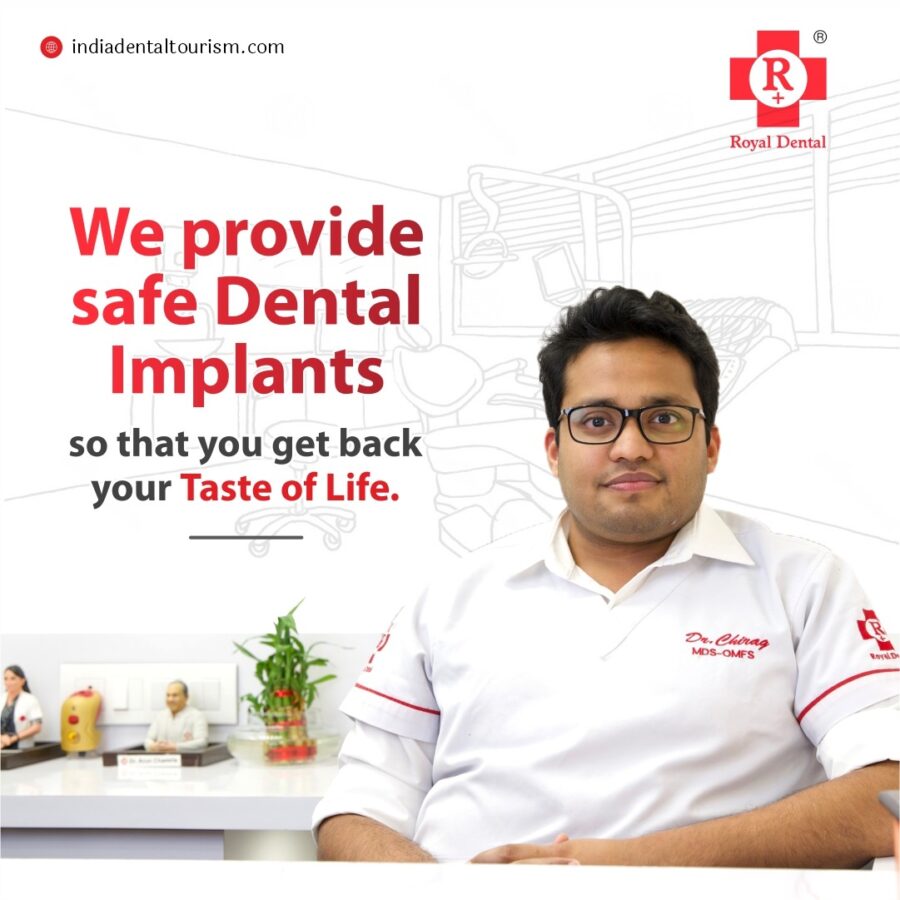
They can detect and treat oral diseases.
Dentists are experts in oral diseases and can detect, diagnose, and treat most dental problems. They can detect and treat periodontal diseases such as gingivitis and periodontitis, tooth decay and dental caries, and dental cysts and abscesses. They can also remove dental plaque and calculus, repair tooth fractures and restore teeth that have been broken or damaged.
Dentist fix our teeth when they are damaged or missing.
Dentists fix teeth that are missing or have been damaged by disease or accident by placing dental implants, false teeth, and partial or full dentures. Dental implants are the best option for replacing missing teeth. These are artificial teeth anchored to the jawbone and can last a lifetime with proper care. Dentures and partial dentures are used to replace missing teeth while false teeth can be used to cover gaps between your teeth. Dentists also provide urgent and emergency dental care when needed.
Dental Doctors prevent diseases by check-ups.
Regular dental check-ups can help dentists detect and treat diseases before they become serious. Most oral diseases such as gingivitis, periodontitis, and tooth decay are easily treated when caught in the early stages. If dentist finds problem during check-up, they will treat it and advise you on how to prevent it from recurring.
Conclusion
Dentists play an important role in healthcare because oral health is closely connected with daily comfort, chewing, speech, nutrition, confidence, and overall wellbeing. They help with dental check-ups, cleaning, fillings, root canal treatment, gum disease care, tooth replacement, dentures, dental implants, and emergency dental problems.
Whether a patient has tooth pain, gum bleeding, missing teeth, infection, or preventive dental concerns, visiting a dentist at the right time can help protect long-term oral health.
FAQs
1. Are dentists considered doctors?
Yes, dentists are considered doctors in the field of dentistry. They are trained healthcare professionals who diagnose, prevent, and treat problems related to teeth, gums, mouth, jaw, and oral health.
2. What does a dentist do?
A dentist examines the teeth, gums, mouth, and jaw to identify dental problems. Dentists may treat cavities, gum disease, tooth pain, broken teeth, missing teeth, oral infections, and other dental concerns.
3. Are dentists the same as medical doctors?
Dentists and medical doctors are both healthcare professionals, but their areas of focus are different. Dentists specialise in oral health, while medical doctors treat general body health and medical conditions.
4. Why are dentists important?
Dentists are important because they help prevent, diagnose, and treat oral diseases. Regular dental care can reduce the risk of cavities, gum disease, tooth infection, bad breath, tooth loss, and long-term oral health problems.
5. Can dentists detect oral diseases?
Yes, dentists can detect oral diseases such as tooth decay, gum disease, oral infections, dental abscesses, mouth ulcers, and other oral health concerns. Early diagnosis can help prevent complications.
6. Do dentists replace missing teeth?
Yes, dentists can help replace missing teeth with options such as dentures, bridges, dental implants, or other suitable restorations. The right option depends on bone support, gum health, bite, medical history, and treatment goals.
7. When should I visit a dentist?
You should visit a dentist if you have tooth pain, bleeding gums, swelling, bad breath, loose teeth, broken teeth, missing teeth, sensitivity, mouth sores, or difficulty chewing. Regular check-ups are also important even when there is no pain.