
Having a missing tooth can have a detrimental impact on your confidence and self-esteem. Implant treatment is one of the most successful ways to restore your smile, giving you back your confidence and self-esteem. Implant treatment can be scary to think about at first. You may think it’s going to be painful, cost you a lot of money, or just not be worth all that hassle. However, with the right information, dental implant treatment doesn’t need to feel so scary! Dental implants are an excellent way to replace missing teeth and avoid having an artificial replacement for the rest of your life. Dental implant treatments successful, range upto 95% in first 5 years and 90% in first 10 years. Read more to know.
What Determines Dental Implant Success?
Successful implant treatment begins with correct diagnosis and planning. The dentist must assess the available bone, gum condition, bite, implant position, medical history and type of tooth replacement required. The quality of surgery is important, but success also depends on how the crown or bridge is designed, whether the patient can clean around it and whether excessive biting forces are controlled. A well-placed implant can still develop problems when the prosthesis traps plaque, the bite is unsuitable or maintenance appointments are repeatedly missed. Implant treatment should therefore be viewed as a combination of surgery, prosthetic rehabilitation and long-term maintenance.
Are All Dental Implant Treatments Successful?
No. Dental implants are a predictable treatment for replacing missing teeth, but no surgical or restorative procedure can be guaranteed to succeed in every patient. Most appropriately planned implants remain functional for many years. However, an implant may fail to integrate with the bone, lose supporting bone later, develop infection or experience complications involving the crown, bridge, abutment or connecting screw.
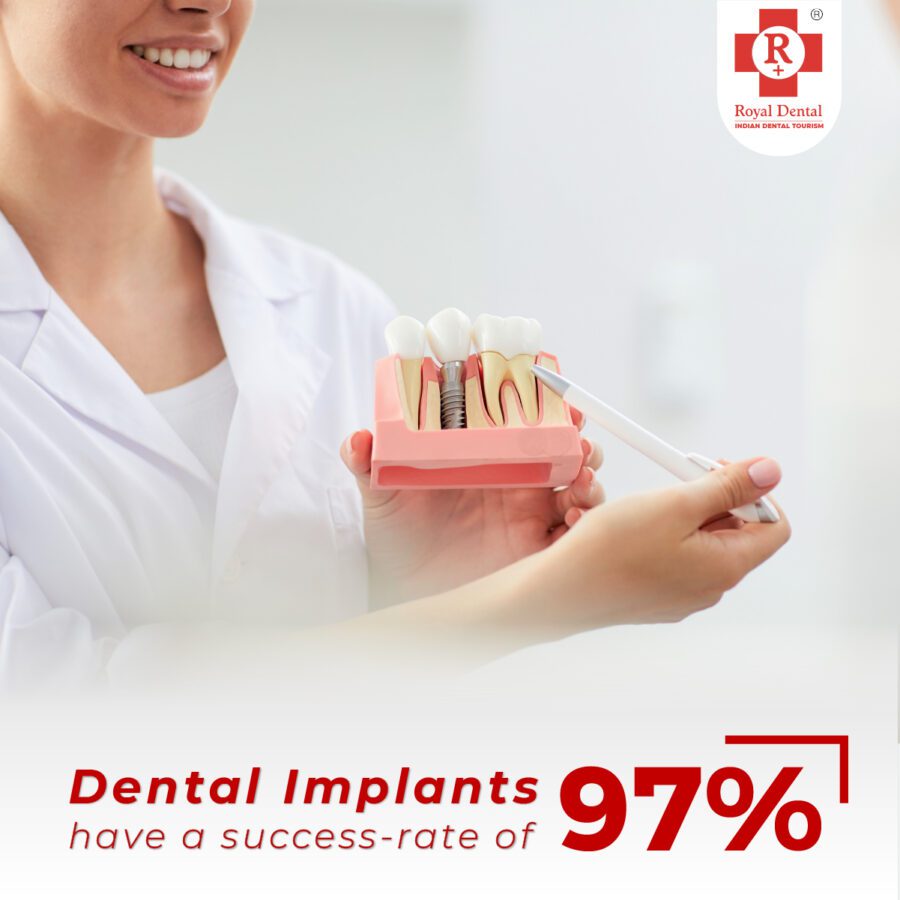
It is also important to distinguish between implant survival and implant success. An implant may still be present in the mouth and therefore be described as surviving, even though it has experienced inflammation, bone loss, discomfort or a prosthetic complication. Successful treatment should ideally provide a stable implant, healthy surrounding tissues, comfortable function and a maintainable restoration.
What Are the Signs of Dental Implant Failure?
- Possible warning signs include movement of the implant or restoration, increasing pain, swelling, pus, persistent bleeding, gum recession, exposed implant components, difficulty chewing, a change in the bite or continued bad taste around the implant.
- Movement does not always mean that the implant inside the bone is loose. Sometimes only the crown, bridge or connecting screw is moving. However, all implant movement should be assessed promptly.
- Rapid facial swelling, fever, difficulty swallowing or difficulty breathing requires urgent professional attention.
Can a Failed Dental Implant Be Treated?
Treatment depends on the cause and severity of the problem. Early inflammation may be managed through improved cleaning, professional debridement and correction of contributing prosthetic factors. More advanced peri-implantitis may require surgical treatment, although no single procedure is suitable for every defect.
When the implant has lost integration, fractured or has inadequate remaining bone support, removal may be necessary. The area may then be allowed to heal, treated with bone grafting where indicated and reassessed for another implant. A failed implant does not always mean that the patient can never have implant treatment again. The original cause should first be identified and corrected.
Research alternate Missing Teeth Treatment Options
Bridgework: Bridgework is a more traditional way of replacing teeth. It involves having your dentist place several fake teeth that are attached to your real teeth. These are reliable, but they are much more invasive and take a lot longer to complete.
Dental bridges: A dental bridge is a custom false tooth that is placed in between two healthy teeth. The healthy teeth are filed down a bit and are then connected with a piece of porcelain. This is an excellent way to replace one or two missing teeth, but it’s more invasive and takes more time to complete than dental implants.
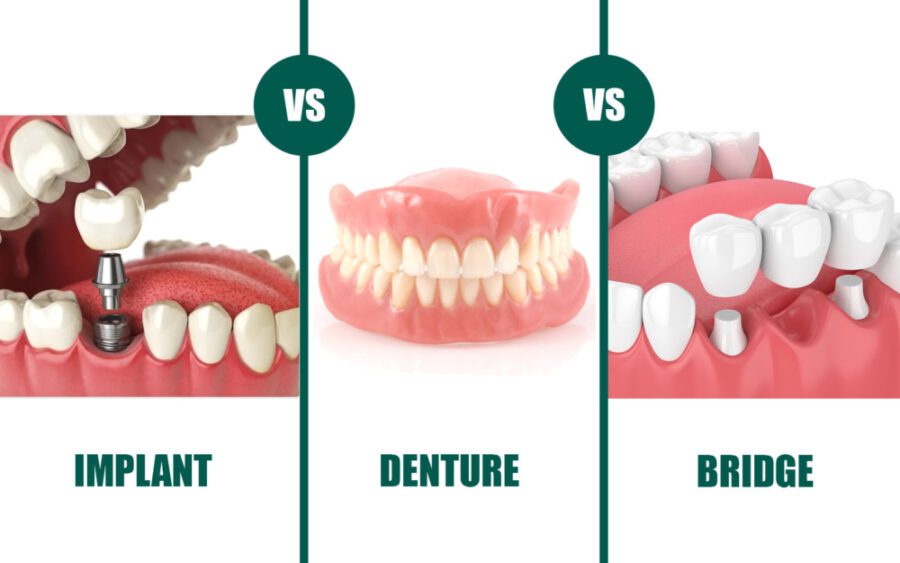
Partial dentures: Partial dentures are a removable set of false teeth. Most people that have false teeth tend to use them as their primary form of dental care, but some people also choose to wear them as a back-up when their natural teeth are healthy.
Implants: Dental implants are artificial teeth that are placed in your gums to act as a replacement for your missing teeth. What makes dental implants different from other treatments is that you don’t have to do anything to your natural teeth to install them.
What Is Early Dental Implant Failure?
Early implant failure occurs before or shortly after the implant has integrated with the jawbone. Possible causes include inadequate initial stability, excessive movement during healing, infection, poor bone quality, overheating of the bone during preparation, unsuitable loading or interference from the temporary tooth. An implant that has failed to integrate may remain painful, feel mobile or show changes on an X-ray. A properly integrated implant should not move. Not every episode of discomfort during healing indicates failure. Mild swelling and tenderness can occur after implant surgery, but increasing pain, movement, pus or persistent swelling should be examined.
Are Same-Day Dental Implants Less Successful?
Same-day implant placement or immediate fixed teeth can be successful in appropriately selected patients. The decision depends on implant stability, bone condition, infection control, implant distribution, bite forces and the design of the temporary restoration. Immediate loading should not be recommended solely because the patient wants faster treatment. Some patients are suitable for immediate fixed teeth, while others may require a healing period before the final restoration is attached. The treatment timeline should be determined after clinical examination and imaging.
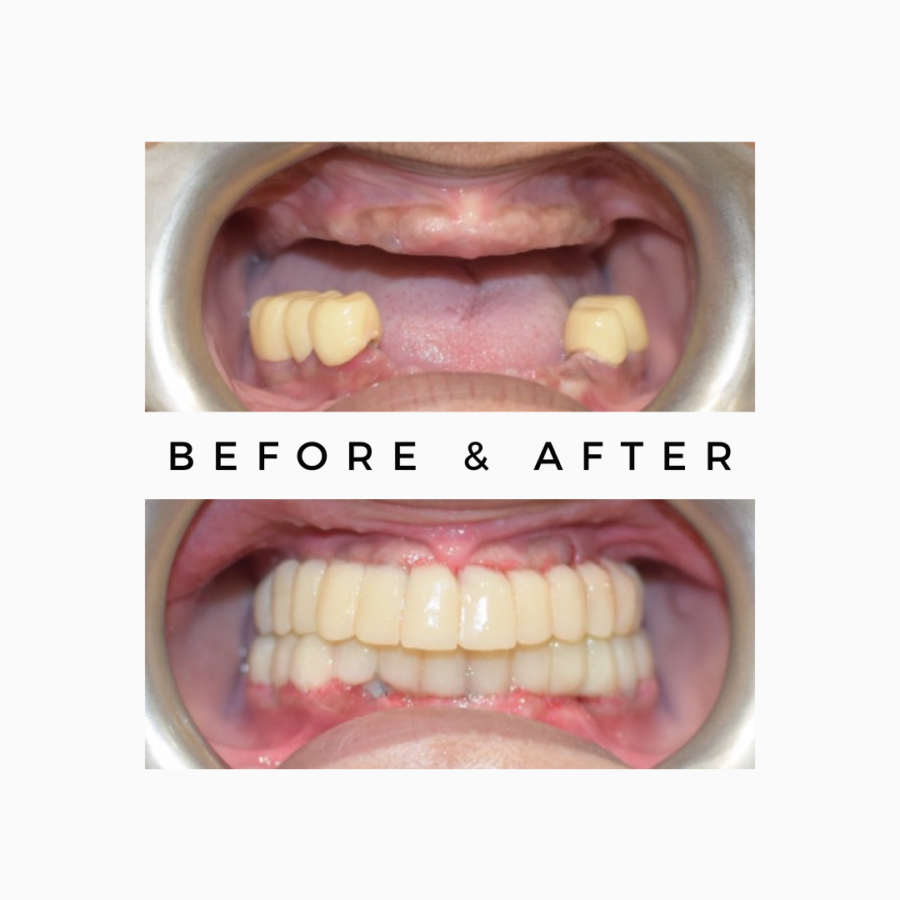
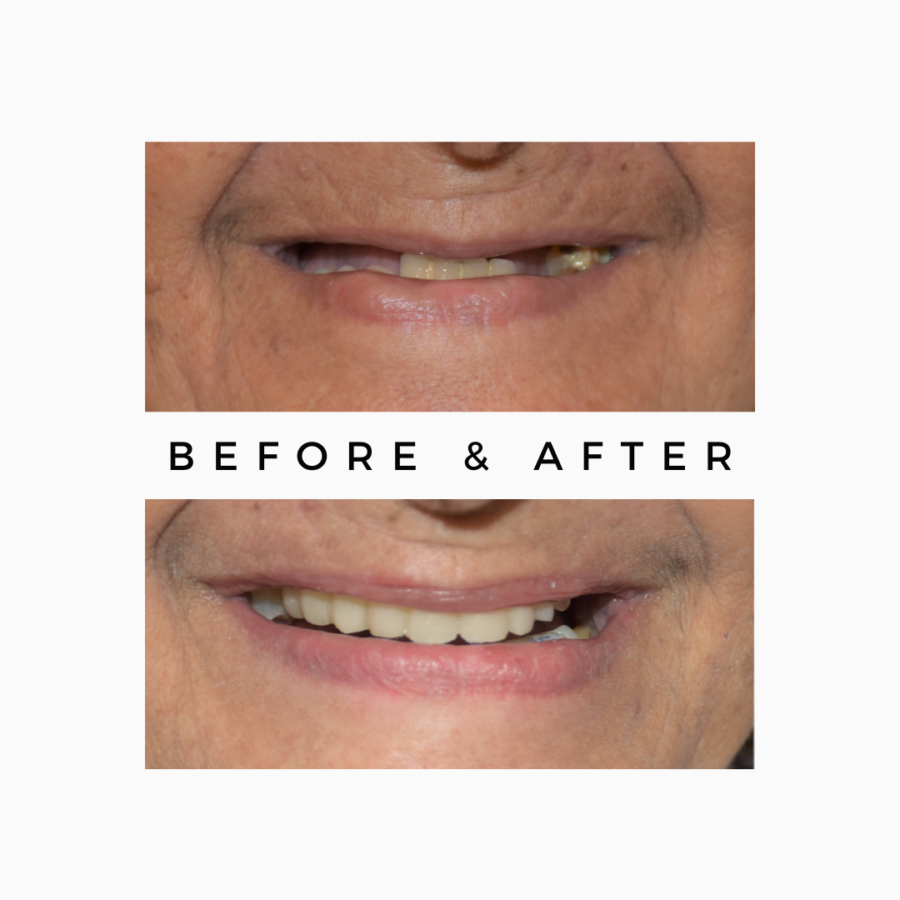
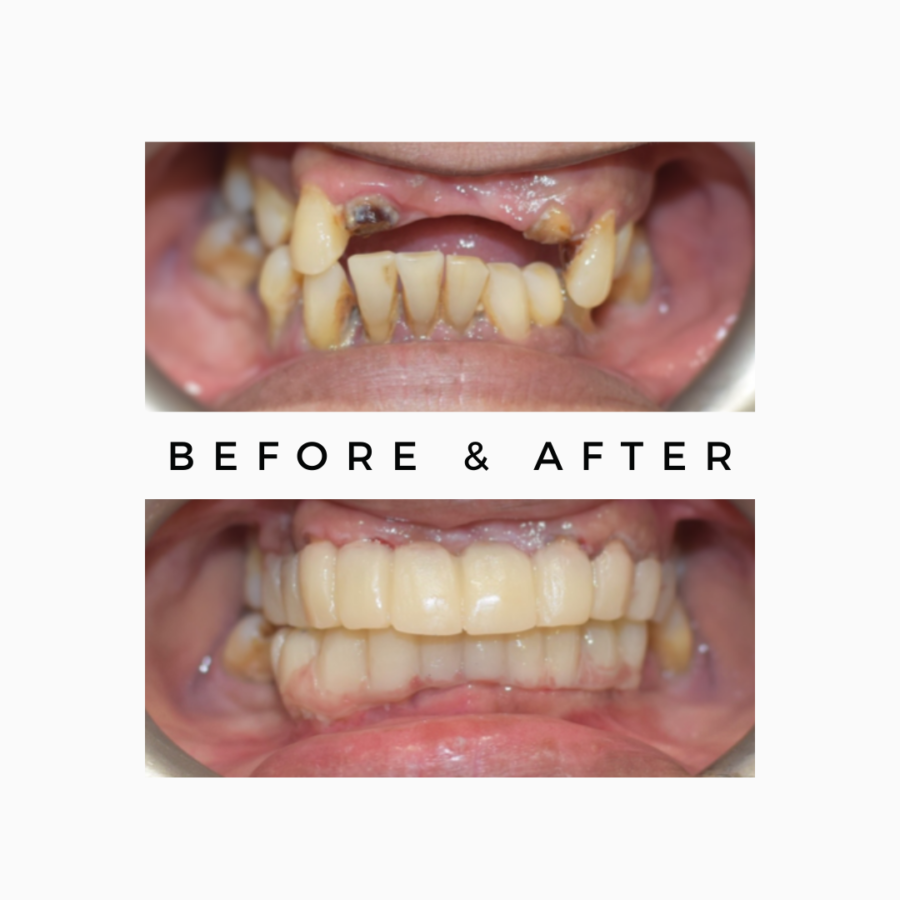
Be prepared to commit to the entire process
Dental implant surgery is a long and tedious process. You should be prepared to commit to the entire dental implant treatment process. And You will have to visit your dentist regularly, take care of your gums, and see the process through to the end.
You will likely have to attend regular appointments with your dentist to monitor your gums and the implant surgery. You may have to have more surgery, especially if your implant is failing. And You will also have to take special care to make sure your gums are healthy enough to host the implant.
If your gums are unhealthy, bacteria can grow and lead to infection that can disrupt your implant treatment. You will also have to be patient. Dental implant surgery can take several months or even years to completely heal. You will have to visit your dentist regularly throughout the process.
Can Patients With Diabetes Receive Dental Implants?
Many patients with diabetes can receive dental implants, particularly when their condition is appropriately managed. The dentist should review the patient’s medical history, medication, glycaemic control, healing capacity and periodontal condition before planning surgery. Poorly controlled diabetes may increase the risk of delayed healing and peri-implant complications. Diabetes should therefore not automatically exclude a patient from implant treatment, but it may require medical coordination, additional precautions and closer maintenance.
Don’t hesitate to speak up about what you don’t like
Dental implant surgery is a major surgery, and you should expect to see signs of swelling and discomfort. Be prepared to deal with some pain and swelling. If you experience more severe pain, swelling, or other complications, speak up! – If you experience excessive pain, contact your dentist and let them know that the pain is more severe than you expected. Your dentist may give you some medication to help ease the pain and speed up your healing process.

If you experience any swelling that disrupts your breathing or vision, you should visit the emergency room. Swelling in the face can be a serious and life-threatening condition called a facial edema. – If you experience any swelling in your mouth or have trouble eating, contact your dentist. This can be a sign that you have an infection. Your dentist can prescribe antibiotics and other medication to help you recover faster.
Take care of your gums and bone density before implant surgery
Before you have dental implant surgery, you will need to make sure that the surrounding gums and bone density are healthy enough to host the implants. You can do this by brushing, flossing, and visiting your dentist regularly for cleanings. Also using a mouthwash such as Colgate Total that contains fluoride for added protection. You can also add supplements to your diet that promote gum health and calcium density.
Calcium is important for teeth and gums, so taking a calcium supplement can help boost your dental health. You can also eat foods that promote dental health and calcium density. Some of the best foods for dental health include spinach, broccoli, almonds, sesame seeds, oats, and yogurt.
Get a second opinion before committing to dental implants
Dental implant surgery is an invasive surgical procedure. It is important that you feel 100% confident in your dentist and their ability to perform the surgery before committing to the procedure. If you have any doubts at all about the procedure, don’t be afraid to ask for a second opinion. This can be a doctor within your area or even someone on the Internet. If you still feel unsure about your decision. Don’t be afraid to ask for a second opinion. You can ask your dentist if they would be okay with this or if they have any recommendations for other dentists in the area that you could visit.
Conclusion
Dental implant surgery is a long and tedious process. It is important that you are fully committed to the procedure and ready to follow all of your dentist’s instructions. You must also be prepared to deal with some pain, swelling, and discomfort along the way. Keep in mind that dental implant surgery is an invasive and serious procedure. You will likely have to commit to the entire process. Be prepared to take care of your gums, and get a second opinion before committing to the procedure.