
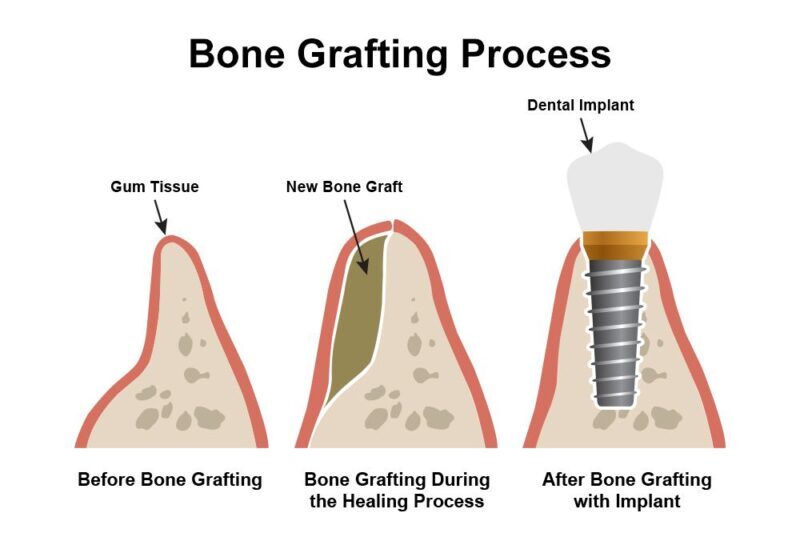
Immediately but sift. If you have had a bone graft, you may have been told to take it easy and avoid heavy physical activity. This is because your bone graft surgery requires you to rest so that your body can recover and begin producing new bone tissue. However, this doesn’t mean that you need to lock yourself away from the world for months on end. Generally speaking, as long as you get the go-ahead from your doctor, there aren’t many restrictions on what activities you can do after a bone graft. If you are recovering from a bone graft, however, there are certain things you need to think about before eating solid food again. This is because chewing hard items could strain the bones in your jaw and cause discomfort. Your diet also needs to be appropriately soft until your body rebuilds itself and produces new cartilage around the site of grafting. That being said, here’s how long after a bone grafts can you eat solid foods again:
How to eat solid food after bone grafts?
When you have just gone through a bone graft surgery, it is important to ease your body back into eating a normal diet. Generally, you can start eating solid foods again after about a month or so. Some common signs that you are ready to eat solids again include: Your graft site no longer feels painful. Your mouth doesn’t have any sores or cuts in it. You have regained some strength in your jaw. For safety reasons, you should wait to eat solids until your mouth is healthy and free from cuts or sores. You don’t want to risk eating something that could get infected and cause damage to your jaw.

When can you eat solid food after bone grafts?
As long as your doctor gives you the go-ahead to start eating solids again, you can start at any time. However, the general rule of thumb is to wait one month after a bone grafts. This timescale is based on the fact that it takes one month for new bone tissue to grow after a graft. When you first start to eat solids again, you should do so very carefully. Focus on soft foods like mashed potatoes, soft bread, and eggs. You can even start to gently chew on apples and carrots to help re-strengthen your jaw.
Soft foods for a week after bone grafts
Yogurt – Yogurt is full of probiotics, which is the perfect way to fight off infections in your mouth. It is also soft, which makes it easy on your palate.
Oatmeal – Oatmeal is soft and easy on your palate, which helps if you have been experiencing pain or discomfort in your mouth.
Canned or pre-steamed vegetables – Vegetables are easy to chew and soft on your palate. You can also add butter or cream cheese to help them go down even easier.
Rice – Rice is soft and fluffy, which makes it easy to chew. It is also a great source of carbohydrates, which you need to help fuel your energy levels.
Canned or pre-steamed fruits – Fruits like bananas, mangoes, and pears are soft and easy to chew. However, you should avoid strawberries and other berries until your graft is fully healed.
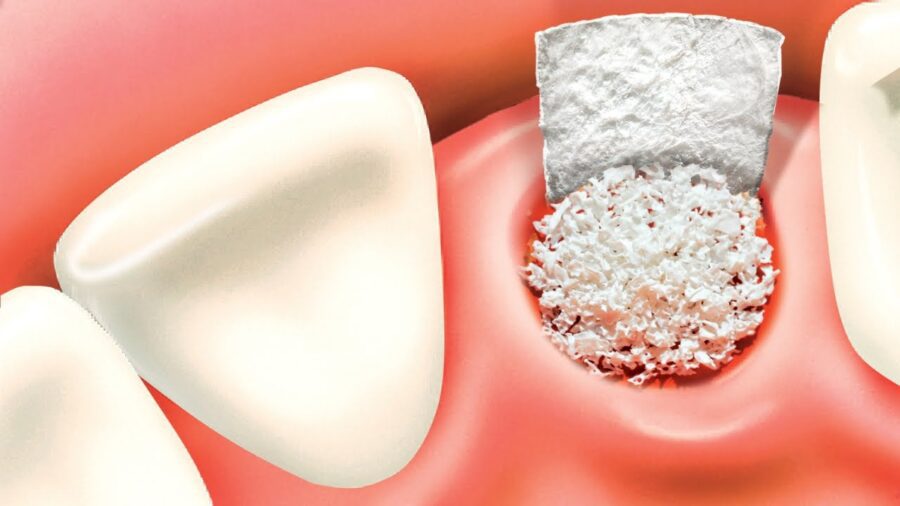
A soft, mild, and nutritionally balanced diet should be consumed for 2–4 days (or longer if necessary) after your surgery. As the tissue around the bone graft heals, you can return to your normal eating routine.
Swelling after bone grafts
Some Swelling from oral surgery is normal and reaches its maximum in 48 hours. Keeping the head elevated with 2 pillows when lying down can minimize facial swelling. Swelling can also be minimized by applying cold compresses to your face (30 minutes on, 30 minutes off) for the first 48 hours. After 48 hours, warm compresses will help reduce the swelling. These should be continued (30 minutes on, 30 minutes off) until the swelling has subsided.
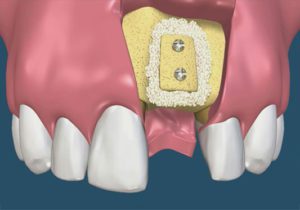
Mouth rinsing is crucial | Bone graft surgery
- You may softly brush the adjacent tooth surfaces as long as the brush does not disturb the graft site.
- Avoid applying pressure with your tongue or fingers to the grafted area, as the material is movable during the initial healing period.
- Do not lift or pull the lip to look at the sutures. This can actually cause damage to the wound site and tear the sutures.
Conclusion
After a bone graft surgery, it can be difficult to know when you can start eating solid food again. You generally need to wait at least a month before you can start to eat solids again. When you are ready to start eating normal food again, choose soft foods that are easy to chew. Stay away from hard nuts, seeds, and berries until your graft site has fully healed.