
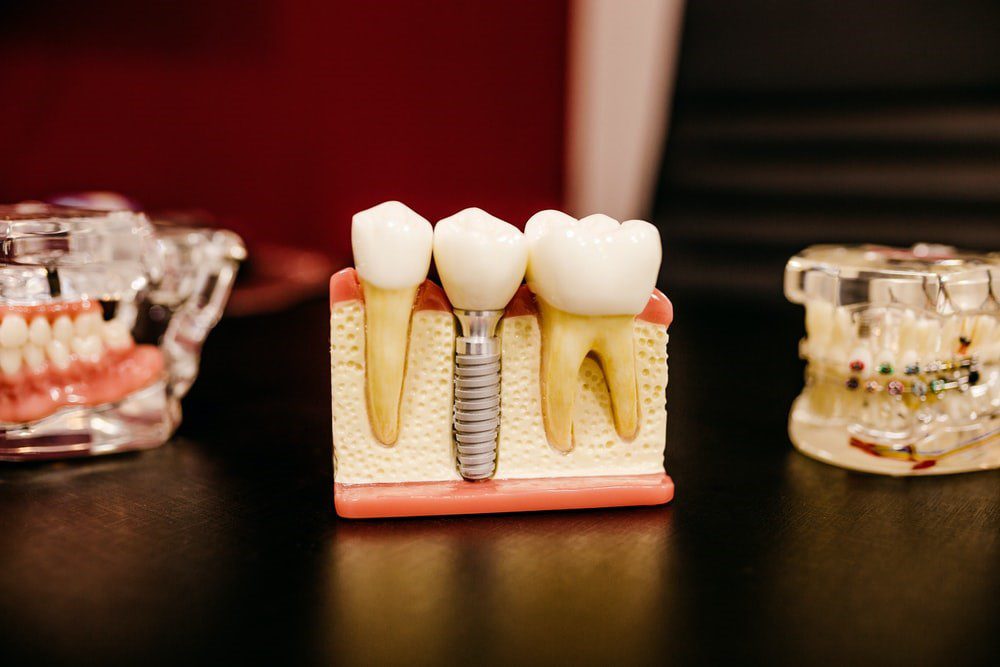
Immediate Loading Dental Implants are a type of fixed dental implant that is placed on the same day as when they’re made. They have several advantages over standard fixed dental implants, one of which is their ability to be placed on the same day. Immediate load dental implants don’t need time to heal before they can be used again. This means that patients don’t need to wait for weeks or months before they can eat and speak normally again. Immediate-load implants have several other benefits compared to standard fixed ones. They provide improved healing, reduced surgical trauma, and increased stability throughout their lifespan. The following article will explain how these benefits come about from immediate-load dental implants.
What Are Immediate-Loading Dental Implants?
Immediate-loading dental implants allow a temporary or fixed tooth to be attached shortly after implant placement, often during the same appointment or within a few days. This differs from conventional implant treatment, where the implant is left to heal before it supports a functional crown or bridge.
Immediate loading does not eliminate the biological healing process. The implant still requires time to integrate with the surrounding jawbone. The attached teeth must therefore be designed to control excessive pressure during the initial healing period.
Immediate Loading vs Immediate Implant Placement
- Immediate implant placement: The implant is inserted immediately after the natural tooth is extracted.
- Immediate implant loading: A tooth, bridge or prosthesis is connected to the implant shortly after implant placement.
An implant can be immediately placed but not immediately loaded. Similarly, an implant placed in a previously healed area may be immediately loaded if it achieves adequate stability. Some patients may be suitable for both procedures during the same appointment.
Improved healing with Immediate Loading Dental Implants
Immediate load dental implants heal faster than standard fixed ones do. This is due to the fact that the healing period for immediate load dental implants is much shorter and less traumatic. They don’t require a healing period because they don’t go through the same process as standard fixed dental implants. Healing with standard fixed dental implants is a complex process that involves bone healing around the implant.
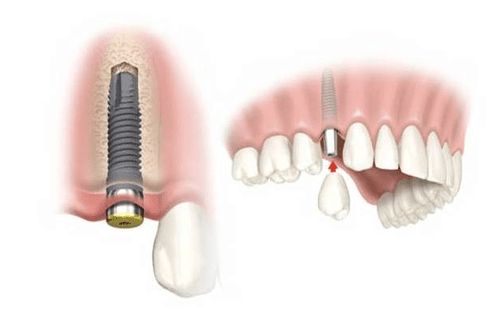
While healing the bone forms granulation tissue to grow and connect the bone to the implant. While this is happening there is a risk that bacteria could grow and cause infection. As this process is highly complex, it can take months for the implant to heal completely. With immediate load dental implants, the healing process is much less complex and therefore occurs much faster.
While it’s being placed, it’s kept sterile, and there’s no risk of bacteria forming. Once the implant is in, it’s connected to the bone with the help of a healing agent known as Osseo-integrin. This helps the implant to fuse with the bone, making the connection between the two much stronger than it would be otherwise.
Reduced trauma with Immediate Loading Dental Implants
The healing process for immediate load dental implants also reduces the amount of surgical trauma that occurs. When placing a standard fixed dental implant, a surgeon has to open up the gum and the bone to implant the implant. This leaves the surrounding area in a vulnerable state, and it can take the surrounding tissue several months to fully heal.
This leaves the patient in a weakened state for a long time. This can be a problem for patients with certain illnesses, such as diabetes, as they can end up in a position where they need to take more time off work. There’s less surgical trauma involved with placing an immediate load dental implant.
This is because the healing agent already presents in the implant connects the implant to the bone, which reduces the amount of trauma to the surrounding area. This means that the surrounding area can heal much quicker and without any lasting damage.
Advantages of Immediate Loading Dental Implants
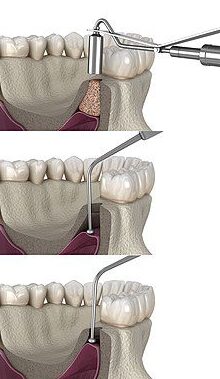
The most significant factor for the loading of a dental implant with a prosthesis and its success is stability. In immediate implants, there is a customised socket wall for attaining excellent initial balance. To achieve good initial stability/primary stability implants 2 mm larger than the socket length are chosen, and excess preparation of 2 mm beyond the socket is performed, with initial drilling followed by sequential drilling.
- A better method for developing a soft-tissue site for the single-tooth restoration
- Provides efficient fabrication of the final restoration
- Saves time duration until the prosthesis
- More acceptable to patients (than the removable substitute)
- Immediate functional and esthetic (sculpting of the soft tissues) rehabilitation of the patient
- Omits the second-stage surgery
- Adjacent papillae are properly preserved contributing to the final esthetic outcome
- Countersinking the implant below the crestal bone is removed, reducing the early crystal bone loss.
Hence, the initial stability attained is primarily due to the contact of the dental implant-bone interface, only in the apical one-third. The selection of the implant body contour is very significant to achieve excellent initial stability. As the socket wall is tapered toward the apex, it is the best possible way to use cylindrical or straight screw dental implants. Drilling with drills that have perfect angulation is also given priority, as always if the root is slightly curly, the drill goes toward the path of least resistance.
Increased stability throughout the lifespan of an Implant
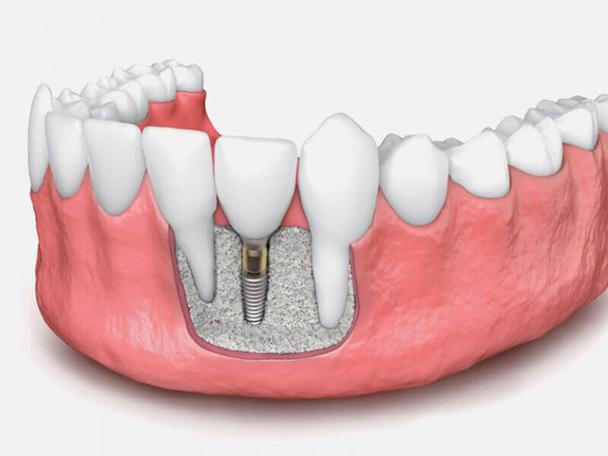
Implant stability is one of the most important aspects of dental implants. An implant that isn’t stable can move out of place and be very difficult to fix. Immediate load dental implants are more stable than standard fixed ones. This means that they’re less likely to move around and move out of place. The reason for this increased stability is that the healing agent in the implant helps to fuse the surrounding bone with the implant. This creates a very strong bond between the two. The implant becomes part of the bone and is less likely to move around or shift out of place.
Fixed Teeth Without a Long Toothless Period
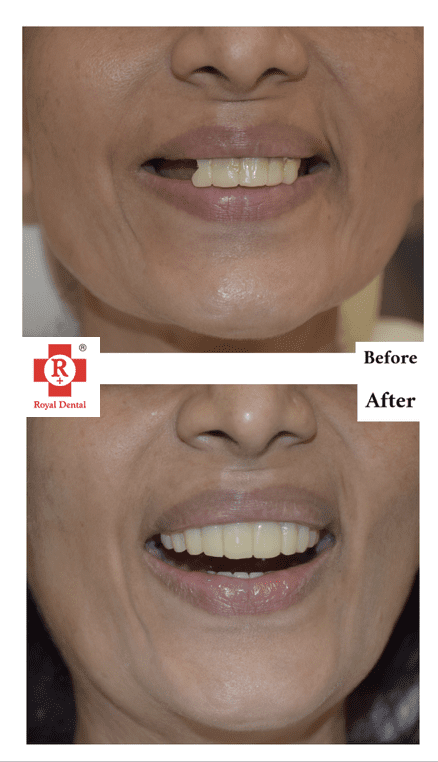
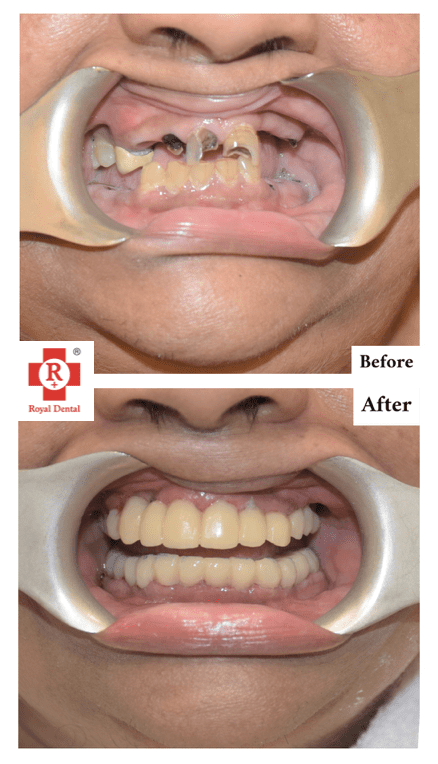
One of the main advantages is that selected patients can receive fixed teeth shortly after implant surgery. This can be particularly helpful when replacing visible front teeth or providing full-arch rehabilitation.The prosthesis fitted immediately may be temporary or definitive, depending on the implant system, material, bite and treatment protocol.
Immediate teeth can help preserve the patient’s appearance during implant healing. They support the smile and may help maintain facial appearance when several missing teeth are replaced. The dentist must still design the teeth according to the available space, gum condition and bite rather than focusing only on speed.
Fewer Treatment Stages
Conventional implant treatment may involve separate appointments for implant placement, healing-abutment placement and prosthetic treatment. Immediate loading can reduce the number of surgical or restorative stages in selected cases. However, review appointments remain necessary to monitor healing, assess the bite and maintain the implant-supported teeth.
Avoiding a removable temporary denture can improve comfort for some patients. Fixed teeth may help patients speak, smile and interact with greater confidence during the healing period. Patients must follow dietary instructions because immediate teeth should not be exposed to uncontrolled chewing forces while the implants are integrating with the bone.
Who Is Suitable for Immediate Loading?
- The implant achieves adequate primary stability
- Sufficient bone is available at the planned position
- The implants can be distributed appropriately
- The bite can be controlled
- The patient can follow a modified diet
- Oral hygiene can be maintained
- General health is suitable for implant surgery
- The planned teeth can be made sufficiently stable
Care After Immediate-Loading Implant Treatment
Patients may be advised to follow a soft diet during the initial healing period and avoid biting hard foods directly over the implants. The recommended diet and duration vary according to the number and location of implants. Good oral hygiene, prescribed medication and scheduled reviews are important. Patients should contact their dentist if they experience increasing pain, swelling, discharge, movement of the prosthesis or a noticeable change in their bite.
Conclusion
They are a very popular and effective way to replace missing teeth and improve your smile. While there are two types of dental implants — immediate load dental implants and standard fixed dental implants — they both have advantages and disadvantages. Immediate load implants are placed in the same day as when they’re made, don’t need time to heal before they can be used again, and also have several other benefits compared to standard fixed ones. These advantages include improved healing, reduced surgical trauma, and increased stability throughout the lifespan of an implant.
Frequently Asked Questions
Can everyone receive immediate-loading dental implants?
No. Suitability depends on implant stability, bone condition, bite, oral hygiene, medical health and the type of restoration required. Some patients obtain a more predictable result with conventional loading.
Are immediate-loading implants the same as same-day teeth?
Immediate loading is commonly described as same-day teeth because a restoration is connected shortly after implant placement. The initial teeth may be temporary or definitive, depending on the clinical protocol.
Are immediate-loading dental implants painful?
The procedure is usually performed under local anaesthesia. Some swelling, tenderness or discomfort can occur afterward. The experience depends on the number of implants, extractions and any additional surgical procedures.
Can I eat normally after receiving immediate implants?
Patients are generally advised to follow a soft or modified diet during early healing. Immediate teeth provide appearance and controlled function, but the implants should not be overloaded before integration with the bone.
How successful are immediate-loading implants?
Immediate loading can be predictable in properly selected patients when adequate stability, careful bite control and suitable prosthetic design are achieved. Results cannot be guaranteed and vary according to clinical and patient-related factors.
Can immediate implants be used for full-mouth rehabilitation?
Yes. Multiple implants may support an immediately loaded fixed full-arch prosthesis. The number and position of implants depend on the available bone, bite, anatomy and planned design of the teeth.
Can immediate loading be done after tooth extraction?
It may be possible to extract a tooth, place an implant and attach a restoration during the same treatment phase. Suitability depends on the extraction socket, available bone, infection, implant stability and aesthetic requirements.
Do immediate-loading implants require bone grafting?
Not every patient requires bone grafting. When bone is inadequate, grafting or an alternative implant approach may be recommended. A graft may sometimes be performed with implant placement, but this does not automatically mean the implant can be immediately loaded.
How long do immediate-loading dental implants last?
Their longevity depends on implant integration, treatment planning, prosthesis design, oral hygiene, bite forces, general health and regular maintenance. Immediate loading changes the timing of the restoration, not the need for long-term care.