

Introduction.
Keeping teeth in good condition is not only essential for a winning smile but also for health as a whole. Routine checkups at the dentist help avoid tooth decay, gum disease, and other conditions. However, how often are you really supposed to go? While worldwide norms typically advise visiting the dentist once every six months, Indian standards of dental hygiene and common sense might make that impossible. In this piece, we segment the Indian regulations for dental consultations, variables to consider when deciding how often to visit, and oral hygiene maintenance tips between sessions.
Importance of preventive dental care | Visit the Dentist
Preventive dental care is the routine and treatments aimed at keeping a person’s oral health in its best condition to prevent dental complications before they evolve into major complications. Preventive dental care is especially important in India, where access to dental care varies based on location and economic conditions, to help avoid the need for expensive or complicated procedures later on.
- Early Detection of Problems
Regular dental examinations identify early symptoms of cavities, gum disease, oral infection, and even oral cancer. Early detection means easier, cheaper treatment and better results.
- Cost-Effective in the Long Run
Preventive care also lowers long-term dental expenses. It is much cheaper to treat a small cavity than a root canal or tooth removal. In India, where dental insurance is not yet common, preventing advanced treatments is economically sensible.
- Maintains Overall Health
Bad oral health is associated with severe conditions like diabetes, heart disease, and respiratory infections. Regular dental care maintains not just your teeth and gums but your health in general.
- Promotes Healthy Habits
Dentists are also responsible for informing patients on how to brush their teeth, eat, and adopt healthy habits. Regular checkups help reinforce proper hygiene, especially in children and teenagers.
- Relieves Dental Anxiety
Regular visits make people, particularly children, more familiar with dental treatment, which lowers fear and anxiety. This process instills confidence and promotes a lifetime of oral care.
Early detection of cavity, gum issue | When to visit Dentist
One of the most significant advantages of routine dental visits is the detection of dental issues early on, often before they are painful or evident. In India, where discomfort is the motivating factor for dental visits, there is a need to raise awareness about early diagnosis to enhance oral health outcomes.
- Cavities (Tooth Decay)
Tooth decay frequently starts without any pain or sensitivity. Dentists are able to detect the earliest stages of enamel loss or small cavities during a regular checkup, long before you notice anything. A simple fluoride treatment or small filling may be all that is needed at this stage instead of an expensive root canal or extraction.
- Gum Disease (Gingivitis and Periodontitis)
Gum disease is a major cause of tooth loss among Indian adults. Its initial stages, like gingivitis, are usually unnoticed by patients but can be reversed easily with professional cleaning and enhanced oral hygiene. If left untreated, it can advance to periodontitis, which may need surgical intervention.
- Oral Infections and Lesions
Regular checkups assist in the identification of fungal infections, mouth ulcers, or other lesions that can signal systemic health issues or even nascent oral cancer, which is more prevalent in India because of the use of tobacco and betel nut. Dentists learn how to detect suspicious changes at an early stage and refer the patients for treatment.
- Bite and Jaw Issues
Dental checkups also enable observation of bite alignment, jaw function, and evidence of teeth grinding (bruxism), which may lead to long-term wear and tear of teeth and jaw joints. It is possible to avoid complications later by correcting it early.
- Dental Problems in Children
Early diagnosis in children is crucial for controlling conditions like crooked teeth, delayed eruption of teeth, and milk teeth cavities. This method provides early intervention and correct development of permanent teeth.
How regular cleaning keep mouth healthier and avoid visit to dentist?
Professional cleaning of the teeth, or scaling and polishing, is an important aspect of preventive treatment. Despite regular brushing and flossing at home, plaque and tartar can accumulate in inaccessible areas. Periodic cleaning by a dentist or dental hygienist is important to ensure oral health, particularly in a nation like India, where eating habits and irregular oral hygiene measures can lead to quick plaque development.
- Eliminates Plaque and Tartar
Plaque is a tacky layer of bacteria that repeatedly forms on your teeth. Without regular removal, it hardens into tartar, which brushing cannot remove. Tartar’s accumulation along the gum line causes gum inflammation and disease. Plaque and tartar are thoroughly eliminated by professional cleanings.
- Stops Gum Disease
Gum disease starts with gingivitis (bleeding, puffy gums) and may lead to periodontitis, losing teeth. Regular cleanings eliminate bacteria and swelling keeping your gums healthy. This step is particularly vital in India, where gum health awareness is generally low and periodontal disease is rampant.
- Keeps Breath Fresh
Food debris, bacteria, and plaque between teeth or under the gum line may cause long-term bad breath (halitosis). Cleanings remove the causes of odor and leave your mouth feeling clean and fresh.
- Enhances General Appearance
Scaling takes away surface stains on teeth due to tea, coffee, tobacco, and Indian spices such as turmeric. The process leaves teeth feeling cleaner and whiter—often a much-improved smile.
- Aids in Early Detection
During cleaning sessions, dentists also check your mouth for any abnormal changes, assisting in the early detection of cavities, infections, or lesions.
Long-term cost savings from early treatment.
Early treatment plays a critical role not only in improving patient health outcomes but also in significantly reducing long-term healthcare costs. By addressing medical conditions at an early stage, individuals can avoid the progression of disease, reduce the need for expensive emergency care or complex interventions, and minimize hospitalizations. This proactive approach leads to both direct savings for healthcare systems and indirect economic benefits through improved productivity and reduced disability
Long-term cost savings from early treatment:
- Reduces costly complications
- Prevents hospitalizations and ER visits
- Lowers need for expensive medications/procedures
- Improves long-term health outcomes
- Reduces productivity loss and disability
- Prevents progression of chronic diseases
- Saves healthcare costs for patients and systems.
What to expect during routine checkups at Royal Dental Clinics?
Whether you’re visiting for a routine check-up or a specialized dental procedure, Royal Dental Clinics prides itself on maintaining the highest standards of dental care, offering advanced treatments, and delivering the best possible outcomes for long-term oral health.
- Consultation
Personal Health History Review: Your dentist will question you about any changes in your health, oral habits, or concerns you might have experienced since your previous visit.
Symptoms or Concerns: Mention any dental pain, sensitivity, or other issues now.
- Oral Examination
Visual Checkup: The dentist will look at your teeth, gums, tongue, and soft tissues of the mouth for evidence of any problems like cavities, gum disease, or cancer of the mouth.
Bite Problem Check-up: The dentist will evaluate the way your teeth meet when biting and chewing.
- X-rays
If it’s included in your regular care or in case of any issues, X-rays could be done to have a better look at your teeth, roots, and jawbones. This will reveal problems not visible to the naked eye, such as a cavity between teeth or bone loss.
- Teeth Cleaning (Prophylaxis)
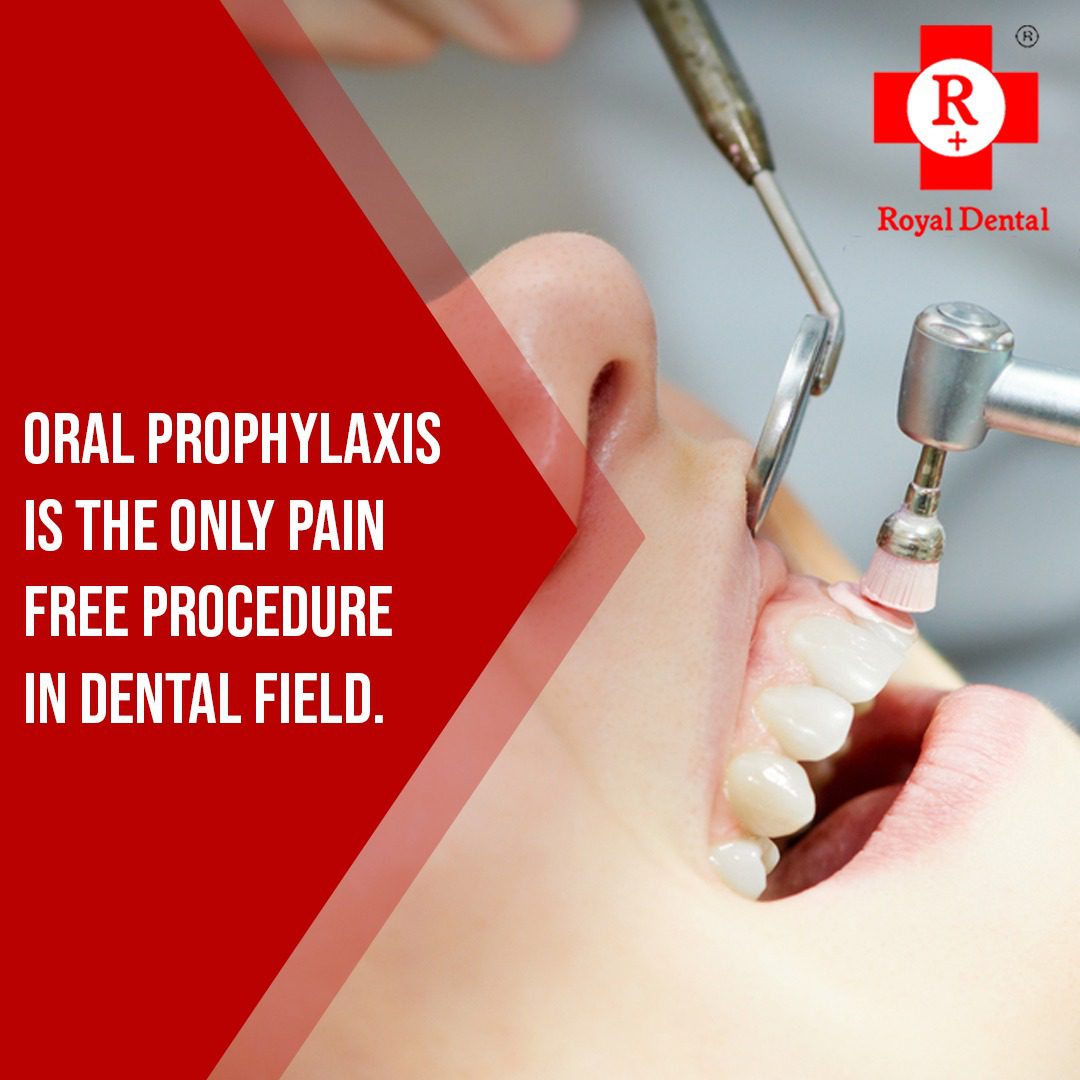
A dental hygienist will remove plaque and tartar buildup from the surfaces of your teeth as part of their cleaning.
Scaling: Gently removing plaque and tartar deposits on the surface of your teeth.
Polishing: Polishing your teeth to remove stains and smoothen the surface.
Flossing: Flossing your teeth to eliminate any lingering debris between them.
- Fluoride Treatment (if recommended)
If you are told to do so, a fluoride treatment might be applied to strengthen your enamel and avoid cavities.
- Oral Hygiene Tips and Advice
The dentist or hygienist might provide you with customized tips on brushing, flossing, and general oral care methods to keep your oral health in check.
- Follow-up Treatment and Recommendations
In case any dental problems are detected (e.g., cavities, gum disease), the dentist will provide recommendations for treatment and prevention and schedule any follow-up visit if required.
Conclusion:
Routine checkups at Royal Dental Clinics are an essential part of maintaining optimal oral health. With expert professionals, advanced technology, and a commitment to patient care, these checkups ensure that potential issues are caught early, allowing for timely treatment and long-term prevention. Whether you’re coming in for a simple cleaning or a more comprehensive exam, Royal Dental Clinics provides a comfortable and thorough experience aimed at keeping your smile healthy and bright. Regular visits contribute to your dental well-being and help in avoiding costly procedures down the line, making it a wise investment in your overall health.