
Oral health refers to the state of your mouth and its teeth. It is a term generally used to describe how well you take care of your teeth and gums on a regular basis. Good oral health means that you are reducing the risk of tooth decay, gum disease, and other serious conditions. With so much emphasis on general good health these days, dental hygiene has become an important part of our lives. The simple fact is that keeping your mouth clean and healthy will reduce the risk of many diseases that affect it directly. Oral hygiene is the practice of keeping your teeth clean through practices such as brushing, flossing, and regular visits with your dentist. Learn what oral health means, why it is important, the signs of an unhealthy mouth and how to keep your teeth and gums healthy.
Who is this article for?
This article is for adults, parents and older patients who want to understand what oral health includes and how to maintain healthy teeth, gums and oral tissues.

Oral Health Is More Than Having Clean Teeth
Oral health refers to the health and normal functioning of the mouth, teeth, gums and surrounding facial structures. It allows a person to eat, speak, breathe and smile without persistent pain, infection, discomfort or embarrassment. Good oral health does not simply mean having white or straight teeth. A person may have attractive-looking teeth but still experience cavities, gum inflammation, dry mouth, tooth wear, bite problems or abnormal oral lesions.
Oral health includes:
- Teeth that are free from active decay and infection
- Gums that do not bleed or remain persistently swollen
- Comfortable chewing and speaking
- Healthy oral tissues
- Adequate saliva production
- Stable dental restorations
- Absence of unexplained pain, swelling or persistent oral lesions
Warning Signs of Poor Oral Health
Some oral-health problems develop gradually and may initially cause little or no pain. Regularly examine your mouth and arrange a dental consultation if you notice:
- Bleeding gums
- Red, swollen or tender gums
- Persistent bad breath
- Tooth sensitivity
- Pain while chewing
- Loose or shifting teeth
- Gum recession
- Dry mouth
- A broken tooth or restoration
- Recurrent mouth ulcers
- A red or white patch
- An unexplained lump or thickening
- Difficulty swallowing or opening the mouth
How to Maintain Good Oral Health
- Brush the teeth twice daily using fluoride toothpaste and a soft-bristled toothbrush. Brush all accessible surfaces gently, including the area where the teeth meet the gums.
- Clean between the teeth once daily using floss, an interdental brush or another dentist-recommended method. Toothbrush bristles may not adequately reach tightly contacting surfaces where plaque and food collect.
- Reduce the frequency of sugary foods and drinks, particularly between meals and after brushing at night. Plaque bacteria use free sugars to produce acids that gradually damage tooth enamel.
- Home-care recommendations should be personalised because children, adults, older patients, people with braces and patients with implants or dry mouth may require different preventive measures.
Why Regular Dental Examinations Matter
A dental examination is not limited to looking for cavities. The dentist may evaluate the teeth, gums, bite, jaw movement, existing restorations and the soft tissues of the mouth. There is no single dental-visit interval that is appropriate for everyone. Patients with active cavities, gum disease, dry mouth, implants or complex medical conditions may require more frequent reviews than people with a low risk of dental disease. Depending on the patient’s needs, the visit may include:
- Cavity-risk assessment
- Gum examination
- Dental X-rays
- Professional cleaning
- Oral-cancer examination
- Review of fillings, crowns or implants
- Advice regarding diet and oral hygiene
- Assessment of tooth wear or jaw discomfort
What is the purpose of Oral Health Day?
Oral Health Day is a worldwide event encouraging people to learn more about good oral health and hygiene. The more people are aware of their oral hygiene, the easier it will be to maintain a healthy mouth. Dental hygiene is an important part of our lives, and the simple fact is that keeping your mouth clean and healthy will reduce the risk of many diseases that affect it directly.


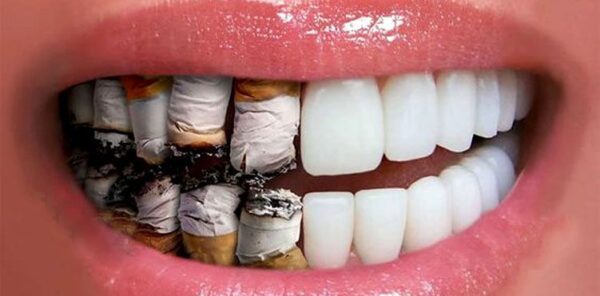
For example, gum disease can cause the bones around your teeth to weaken and become more susceptible to dental fractures; tooth decay can lead to cavities or other infections in the gums, and bad breath can be a sign of an unhealthy mouth and digestive system. Oral health is important throughout your life, but it is especially important as you age. Many older adults have oral health problems that make eating difficult. Good oral health can help prevent or slow down the effects of gum disease and tooth loss as you age.
Conclusion
Bad oral hygiene can lead to a variety of problems including cavities and periodontal disease. It can also cause bad breath, which can make it difficult to maintain relationships and find employment. All of these issues can affect your mental and physical health as well. If you notice any oral health issues, schedule a checkup with your dentist as soon as possible.
Early detection and treatment are key in preventing more serious problems. If you have kids, you may have trouble brushing their teeth. Although you can’t brush their teeth for them, you can help them develop good oral hygiene habits. Helping your child establish good oral hygiene habits can make it easier to catch any issues that may arise. It can also help them feel more confident and in control of their health.
Frequently Asked Questions
What does good oral health mean?
Good oral health means that the teeth, gums and other structures of the mouth remain healthy and function comfortably. A person should be able to eat, speak and smile without persistent pain, swelling, infection or untreated disease.
What is the difference between oral health and oral hygiene?
Oral health describes the overall condition and functioning of the mouth. Oral hygiene refers to the daily practices used to maintain it, such as brushing, interdental cleaning and denture care.
What are the most common oral-health problems?
Common problems include tooth decay, gum disease, tooth sensitivity, bad breath, dry mouth, dental infections, mouth ulcers, tooth loss and oral cancer.
How can I improve my oral health?
Brush twice daily with fluoride toothpaste, clean between the teeth, reduce frequent sugar exposure, avoid tobacco and attend regular dental examinations based on your individual risk.
Are bleeding gums a sign of poor oral health?
Repeated gum bleeding may indicate plaque-related gingivitis or periodontitis. It may also occur because of brushing trauma or another condition. Persistent bleeding should be assessed by a dentist.
Does oral health affect eating and speaking?
Yes. Painful, loose or missing teeth can make chewing difficult. Tooth loss, oral lesions, dry mouth and poorly fitting dentures may also affect pronunciation, swallowing and comfort.
How often should I visit a dentist?
The appropriate interval depends on your cavity risk, gum health, age, medical history, restorations and oral-hygiene needs. Your dentist can recommend a suitable recall schedule after examination.