
Introduction.
As temperatures rise and refreshing cold treats become more common, many people notice a sharp, sudden pain in their teeth, especially when enjoying ice cream, cold drinks, or even breathing in cool air. Such discomfort is often due to tooth sensitivity, a common dental issue that can become more noticeable during the summer months. Whether triggered by temperature changes or specific seasonal habits, summer can amplify existing sensitivity or even bring it to light for the first time. Understanding what causes tooth sensitivity in warmer weather and how to manage it can help you enjoy the season comfortably and pain-free.
Why do cold foods trigger sensitivity more in the summer?

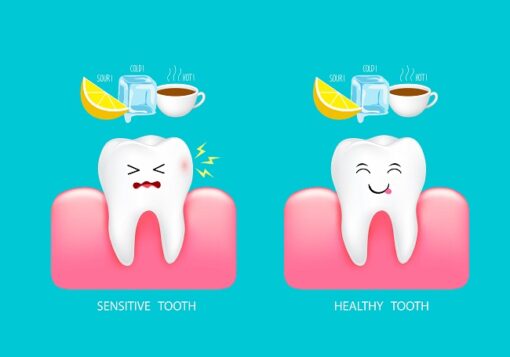
sensitive tooth
Tooth sensitivity often feels worse during the summer, especially when enjoying cold foods and drinks. Here’s why:
Greater Exposure to Cold Items
During hot weather, we tend to consume more cold drinks, ice cream, frozen treats, and cold water, all frequent causes of tooth sensitivity. More frequent exposure to cold makes it more likely that you’ll cause nerve reactions in exposed or weakened regions of your teeth.
Temperature Contrast
The quick change from warm outdoor temperatures to cold items results in a significant thermal contrast. This difference can create micro-movements in tooth enamel and dentin, causing the nerves within the tooth to be stimulated more strongly.
Summer Habits Causing Enamel Erosion
Summer beverages such as acidic sodas, citrus juices, and sports drinks have the potential to erode enamel over time, leaving the sensitive inner layer (dentin) exposed. Enamel erosion reduces the tooth’s natural defense, making it more sensitive to temperature changes.
Dehydration and Dry Mouth
Dehydration is more prevalent during the summer, which decreases saliva flow. Saliva protects teeth and buffers acids. Dry mouth can speed up enamel loss and enhance sensitivity.
Pre-existing Dental Problems Become More Obvious
Worn fillings, receding gums, or cracks might not be painful throughout the year, but they can become painful when exposed to cold foods more often during the summer. In short, the combination of diet, temperature changes, and lifestyle shifts in summer makes cold-triggered tooth sensitivity more noticeable and bothersome.
Underlying dental issues that worsen in heat:
While summer is a time for fun and relaxation, the heat and seasonal habits can aggravate certain dental problems. Here are some underlying dental issues that may worsen in hot weather:
Tooth Sensitivity: Triggered by cold foods and drinks; worsens with enamel erosion.
Gum Disease: Dehydration reduces saliva, allowing bacteria to thrive.
Dry Mouth: Common in hot weather; increases risk of decay and foul breath.
Tooth Decay: Sugary summer treats and acidic drinks accelerate cavity formation.
Cracked Teeth: Chewing ice or frozen foods can worsen chips or cracks.
Jaw Pain (TMJ): Heat-related stress may increase clenching and grinding.
Mouth Sores: Sun and acidic fruits can irritate canker sores.
At-home and professional treatment options.
At-Home Treatments:
Desensitizing Toothpaste
- Includes ingredients such as potassium nitrate to inhibit pain impulses from sensitive nerves.
Soft-Bristled Toothbrush
- Prevents additional enamel wear and gum recession.
Fluoride Rinse or Gel
- Thickens enamel and diminishes sensitivity over time.
Avoid Acidic & Sugary Foods
- Restrict sodas, citrus fruits, and ice-cold sweets that induce sensitivity.
Hydration & Saliva Boosters
- Chew plenty of water; chew sugar-free gum to engage saliva and defend teeth.
Oil Pulling (optional)
- Others find relief with coconut oil pulling, although little evidence supports this.
Royal Dental’s approach to quick relief.
Royal Dental Clinics offers a patient-focused, fast-track approach to managing tooth sensitivity designed to provide effective relief in a single visit. Here’s how their method stands out.
- Same-Day Diagnosis and Treatment
With state-of-the-art diagnostic equipment, Royal Dental diagnoses the cause of sensitivity, whether it’s erosion of enamel, recession of gums, or decay, on the same visit.
Treatment plans are created immediately, eliminating any waiting time for care.
- Minimally Invasive Procedures
Instant desensitizing treatments in the form of fluoride varnish or laser therapy are administered for speedy relief.
Dental bonding or sealants can be applied over exposed surfaces to prevent pain stimuli with minimal discomfort.
- Holistic Patient Care
The staff offers individualized oral hygiene instruction, dietary advice, and product counseling (such as medicated toothpaste or mouth rinses) that’s personalized to the lifestyle of every patient.
- High-Tech Precision
The clinic uses advanced technology, such as intraoral scanners and digital X-rays, to quickly and accurately identify the source of discomfort.
- Comfort-Oriented Setting
With a soothing clinic environment and professional staff, Royal Dental makes even nervous patients feel comfortable while they get quick, quality care.
Prevention tips for future flare-ups.
Avoiding future sensitivity starts with consistent care and smart habits. Here are key prevention tips:
- Use Desensitizing Toothpaste
Regular use helps block nerve signals and strengthens enamel over time.
- Brush Gently with a Soft-Bristled Toothbrush
Brushing too hard can wear away enamel and lead to gum recession.
- Practice a Regular Oral Hygiene Routine
Brush twice a day, floss once, and rinse with fluoride mouthwash to help prevent decay and erosion.
- Steer Clear of Acidic and Cold Stimulants
Restrict consumption of cold, sweet, or acidic foods and beverages (such as soda, citrus fruits, and sweets).
- Drink Cold Beverages Through a Straw
This minimizes direct contact between cold drinks and sensitive teeth.
- Drink Plenty of Water
Encourages saliva production, which naturally defends and remineralizes teeth.
- Wear a Mouth Guard If You Have Bruxism (Grind Your Teeth)
Night guards prevent enamel loss due to bruxism (grinding of teeth), particularly at night.
- Regular Visits to Your Dentist
Regular checkups can catch early signs of enamel erosion, gum problems, or cavities before they become major issues.
Conclusion
Tooth sensitivity, particularly in the summer, can impact your comfort and enjoyment of the season. But with proper care and preventive measures, it’s completely controllable. By knowing the causes, selecting proper at-home remedies, and receiving timely professional treatment such as that provided by Royal Dental Clinics, you can achieve quick relief and avoid future flare-ups. A proactive oral hygiene strategy prevents sensitivity from becoming an issue and leads to a self-assured, pain-free smile year-round.


