
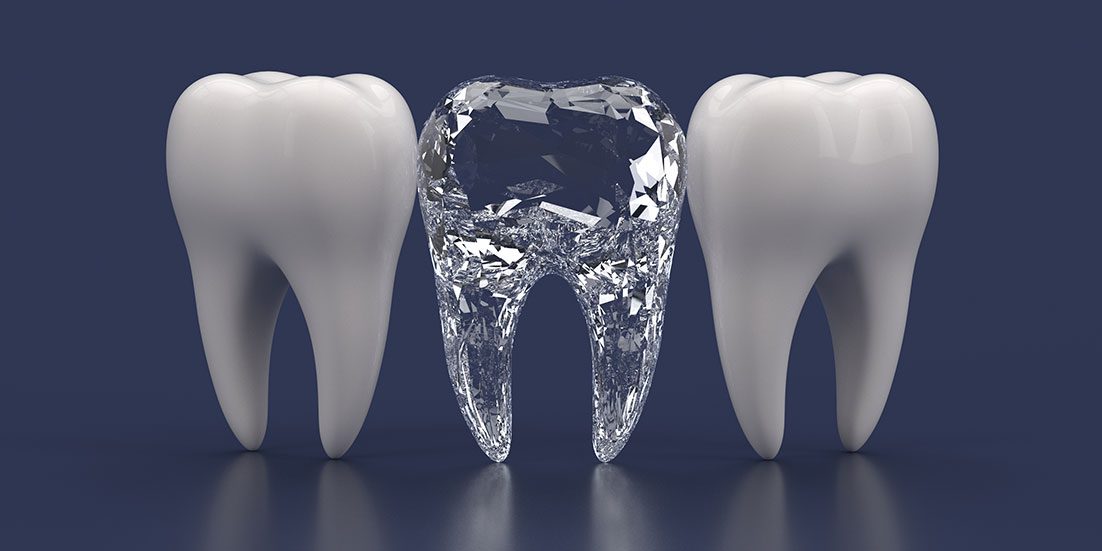
Tooth gems are a popular cosmetic way to decorate a smile with a small diamond, crystal or other decorative stone bonded to the surface of a tooth. They are different from dental implants, which are used to replace missing teeth. Before choosing tooth jewelry, it is important to understand how tooth gems are applied, their cost, potential benefits and risks, and how they may affect your teeth and gums.
Who Is This Article For?
- People considering tooth gems or diamond tooth jewelry
- People interested in decorating their teeth with diamonds or crystals
- Patients researching the cost of tooth gems in India
- People comparing different types of dental jewelry
- Patients concerned about the safety and risks of tooth gems
- People considering professional tooth gem application or removal
- Anyone wanting to understand the difference between tooth gems and dental implants
What are Diamond Teeth Implants?
Before we explore the pros and cons of implanting diamonds in teeth, it might be helpful to first understand what they are. Although many people think that diamonds are used to create false teeth, the truth is that they are not used at all. Instead, an artificial substance called porcelain is used to create the “teeth” that can be attached to an implant. And even though these are not real jewels, these artificial teeth are often called “diamond teeth implants”. This can create a lot of confusion when trying to determine if they might be a good choice for you.
This practice of adorning teeth happened cross-culturally through about the 1500s. Today, the reason for placing diamonds on the teeth is more likely to be as a symbol of status or as a counter-cultural statement.
Pros of diamond teeth implants
There are some advantages to replacing diamond teeth implants that are worth exploring. These include not only the obvious benefits of getting a new set of teeth but also the fact that you don’t need to worry about the health of your gums and the integrity of your natural teeth. When you get a diamond, you have the opportunity to have a one-of-a-kind smile that’s all your own. And even though these are not real diamonds, these teeth can be very durable. They can often last for decades before needing to be replaced. Replacing jewels in teeth may also save you money in the long run because there is no need to go back to the dentist for regular cleanings. After all, you won’t have any gums to clean!

Some more pros of the diamond teeth implants include:
- Distinctive Appearance: Diamond teeth are a bold statement piece, turning heads and attracting attention wherever you go.
- Increased Confidence: The unique look can boost self-confidence and make individuals feel more comfortable in their own skin.
- Durability: Diamonds are incredibly hard and resistant to scratches and chipping, ensuring long-lasting shine and beauty.
- Hypoallergenic: Diamonds are hypoallergenic, making them a safe option for people with allergies to metals used in traditional dental implants.
Cons of diamond teeth implants
While it’s true that there are some advantages to replacing diamond teeth implants, there are also some serious risks as well. The first significant risk is the cost. These procedures can be extremely expensive, especially when you factor in the costs of replacing them every few years. On the other hand, real teeth are very inexpensive to maintain and can last for a lifetime.
Another potential risk is that you may experience tooth loss. While the likelihood of this is very low, it’s certainly a risk of replacing diamond teeth implants that is worth noting. Finally, some people may experience sensitivity in their new teeth. This can be painful and can occur due to several factors. It’s also important to note that replacing diamond teeth implants isn’t guaranteed to be successful. In fact, about half of all procedures end in failure.
Some more cons of the diamond teeth implants include:
- High Cost: Diamond teeth implants are significantly more expensive than traditional implants due to the value of the diamonds themselves and the specialized expertise required for the procedure.
- Potential for Damage: Diamonds, despite their hardness, can chip or break under excessive force. This risk increases with larger diamonds or rougher handling.
- Gum Irritation: The edges or setting of the diamond can potentially irritate the gums, leading to discomfort and inflammation.
- Limited Functionality: Diamond teeth are primarily for aesthetic purposes and may not function as effectively as natural teeth when it comes to biting and chewing.
- Social Stigma: Some may associate diamond teeth with negative stereotypes or perceive them as ostentatious or flashy.
The Truth About Diamond Teeth Replacement
Now that we’ve explored the pros and cons of replacing diamond teeth implants, it’s time to get to the truth. Many dentists warn against this procedure, and for good reason. While it might seem like a great way to get a new set of teeth without losing the original ones, this isn’t always the case. In some cases, both your natural teeth and your new diamond teeth implants can be removed. Unfortunately, this can create significant problems. Not only will you be without teeth, but your gums will also be left exposed. This can lead to infections and other serious dental issues.
Cost of diamond dental implants
Diamond dental implants offer a luxurious way to customize your smile, but the cost can be significant. In India, the price per tooth ranges from $10,000 to $25,000, influenced by factors like diamond size, dentist expertise, and location. Additional expenses include consultations and preparatory procedures. While the allure of a sparkling smile is undeniable, it’s crucial to carefully consider the associated costs and potential downsides before making this major investment.
Conclusion
Tooth gems can add a unique cosmetic touch to your smile, but they are not the same as dental implants and are not completely risk-free. Plaque accumulation, gum irritation, tooth decay, enamel damage and chipping are possible concerns. If you are considering diamond tooth jewelry, consult a qualified dentist first and maintain regular oral hygiene and dental checkups to protect your natural teeth.
Frequently Asked Questions
Are tooth gems safe?
Tooth gems are not completely risk-free. Potential concerns include plaque accumulation, cavities, gum inflammation, enamel damage, discoloration and tooth chipping. The ADA advises against tooth gems and other tooth jewelry.
How much do tooth gems cost in India?
The cost varies depending on the type of gem, material, size, number of teeth, dentist and clinic. A dental consultation can provide a more accurate estimate based on the specific treatment.
Can a tooth gem damage your tooth?
Yes. Improper application or removal can damage enamel, while the jewelry may also contribute to plaque accumulation, decay, gum irritation or chipping.
Can a dentist remove a tooth gem?
Yes. Professional removal is preferable because improper removal may damage the enamel.
Are tooth gems the same as dental implants?
No. A tooth gem is decorative jewelry bonded to an existing tooth, while a dental implant is a treatment used to replace a missing tooth root and support a replacement tooth.