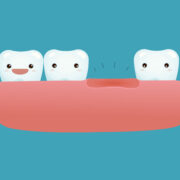

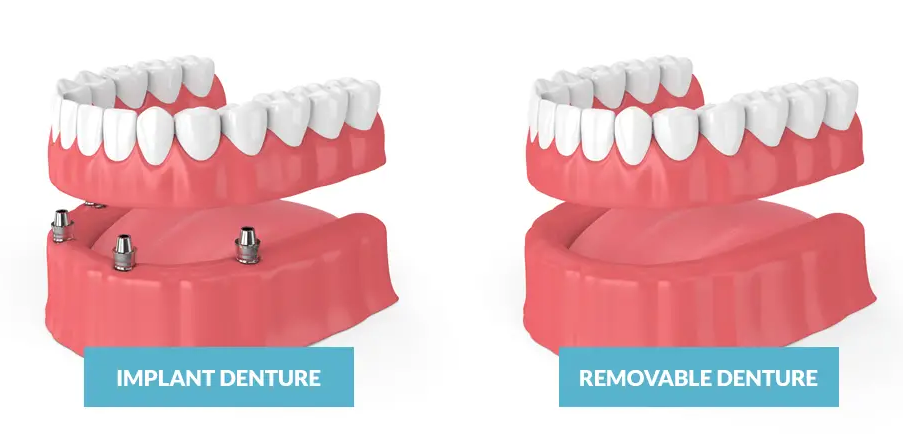
Yes, it is possible to have a single tooth denture for one missing tooth. A removable partial denture can be designed with a single artificial tooth to fill the gap. However, a single-tooth denture is only one of several tooth-replacement options. Depending on the condition of your remaining teeth and gums, your dentist may also discuss a dental bridge or dental implant. The most suitable option depends on your oral health, bite, bone condition, treatment goals and budget.
Who Is This Article For?
- People missing one tooth
- Patients considering a single-tooth denture
- People comparing dentures with dental implants
- Patients wondering whether a partial denture can replace one tooth
- People looking for alternatives to a dental bridge
- Patients who want to understand fixed and removable tooth-replacement options
What is a Dental Bridge?
A dental bridge is used to replace one or more missing teeth by connecting a false tooth or teeth to existing teeth on either side of the gap. The replacement teeth are usually mounted on a false mount attached to natural teeth on either side of the gap with ceramic or metal crowns. The false crowns are bonded to the teeth on either side of the gap and are then used to support the false teeth in the middle.
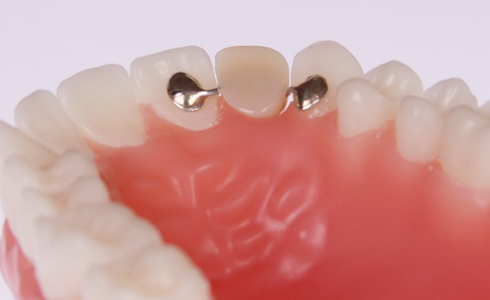
A dental bridge is normally treatment of last resort since the teeth on either side of the gap will have to undergo a lot of stress to support the false teeth in the middle. Therefore, it’s generally not recommended to get a dental bridge if you can still get by with a denture instead.
What is a Denture?
A denture is used to replace one or more missing teeth by combining a false tooth or teeth with a soft, flexible gum-colored base that is usually made of a rubber-like material. A denture consists of a base, which fits over remaining teeth or implants if you have any; a false tooth that sits on top of the base; and a gum-colored retainer that sits underneath the base to hold the false tooth in place.
A denture is normally a more cost-effective solution than a dental bridge since it’s less expensive to make and maintain than a dental bridge. Hence, it’s often the preferred treatment for people who have a single missing tooth, since it can be a simpler and less costly option than a dental bridge.
Can I get just a single tooth denture?
If you can get an accidental or supplemental policy. You might be able to get a denture for one missing tooth covered by that insurance policy. Alternatively, if you have a gap on one side of your mouth. You might be able to get an insurance company to cover a partial denture that fills that gap. However, this will depend on the exact details of your individual case and your current coverage.
If you have dental insurance and you want to get a dental bridge or a partial denture for one missing tooth. You’ll first have to confirm that the policy covers dental procedures for one tooth only. If the policy does cover one tooth. Then you will have to decide which treatment option is more cost-effective and appropriate for your particular case.
Your bite and chew will improve after Denture
While this may not be something as noticeable as it happens slowly over time. Your brain will subconsciously adapt to the missing tooth. This can cause additional stress on the remaining teeth; the quality of your chewing may deteriorate which can ultimately affect how your body digests the food you consume. The way you bite may also be affected, also known as occlusion. You may notice that eating some foods that you used to love is no longer as enjoyable.
Your teeth begin to shift
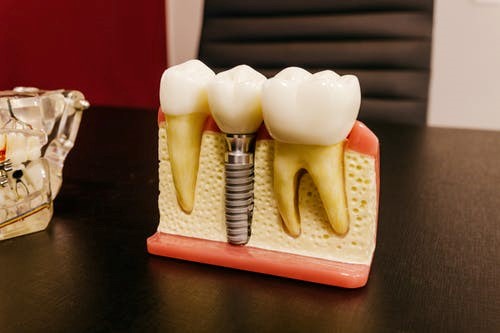
Without some kind of temporary or permanent replacement such as a removable partial denture for one tooth. The remaining teeth will have a tendency to shift as there will be no opposing teeth to resist them moving. Also known as super-eruption, this can cause some teeth to become crooked or new gaps may appear between other teeth.
Conclusion
For many people, a missing tooth can be a source of embarrassment. A missing tooth may also be painful and lead to other dental problems. Fortunately, you can often replace a missing tooth with a new one. You can do this by getting a dental bridge or a denture. A dental bridge is a good way to replace a single missing tooth. A denture is a good choice for replacing multiple missing teeth.
Frequently Asked Questions
Can I have a denture for just one tooth?
Yes. A removable partial denture can be designed to replace a single missing tooth. Your dentist will determine whether it is appropriate for your situation.
What is a single-tooth denture called?
It is generally considered a type of partial denture, because it replaces one or more missing teeth while some natural teeth remain.
Is a single-tooth denture better than an implant?
Neither is universally better. A denture is removable, while an implant provides a fixed replacement option. The right choice depends on your oral health, bone condition, neighboring teeth and treatment goals.
How long does a single tooth denture last?
Dentists generally agree that dentures are made to last between 10 and 15 years. After this amount of time, dentures usually require repair or replacement.
Can one missing tooth be replaced without an implant?
Yes. Depending on the case, alternatives can include a removable partial denture or dental bridge.
How long does a single-tooth denture last?
There is no fixed lifespan. Fit, wear, material, maintenance and changes in your mouth can all affect how long it remains suitable.
Suggested Article –
- Pros and Cons of Full Mouth Dental Implants
- Difference between Crowns and Dental Implants?
- Who is the Best Dental Implant Specialist
Medical Disclaimer
This article is for patient education only. Dental treatment should be planned after clinical examination, medical history review, and X-rays or scans where required. Treatment suitability, cost, timeline, healing, and results vary from patient to patient.