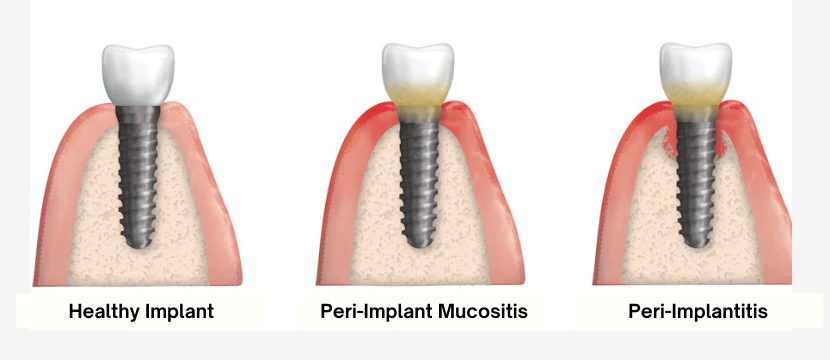
Peri-implantitis is an inflammatory condition affecting the tissues around a dental implant and is associated with progressive loss of supporting bone. It can develop when inflammation around an implant persists and may eventually compromise implant stability. Recognising symptoms such as bleeding or swollen gums, discomfort, pus or increasing implant mobility can help patients seek professional evaluation early. This guide explains what peri-implantitis is, what causes it, its symptoms, how dentists diagnose and treat it, and what you can do to reduce the risk.
Who Is This Article For?
This article is for:
- Patients with dental implants
- People experiencing bleeding around an implant
- Patients with swollen or painful gums around an implant
- People noticing discharge around an implant
- Patients concerned that an implant feels loose
- People who want to prevent implant-related complications
- Patients who have been diagnosed with peri-implantitis
- People considering a second opinion about implant problems
What is peri-implantitis?
Peri-implantitis is an infection or inflammation that occurs around the implants. It is the most common long-term complication of dental implants, affecting approximately 20%-40% of patients in the first decade after treatment. Peri-implantitis is more likely to occur in individuals with poor oral hygiene and a low immune system. When tooth implants are placed in the mouth, the bacteria from teeth and gum tissue can get into the inside of the implant and start growing there, which can lead to peri-implantitis.
Variants of peri-implantitis
- Acute – This is the most common form of peri-implantitis, and the symptoms are usually seen within the first six months after dental implant placement.
- Chronic- This is a less common condition than acute peri-implantitis, and the symptoms usually occur after one year after dental implant placement.
- Surgical – This condition is caused by bacteria entering the site of a surgical procedure and growing in the gum tissues around the implant.
Causes of peri-implants
The most common cause is tartar buildup at the implant site, which harbours toxin-emitting bacteria that cause irritation of the surrounding gum tissue, and ultimately results in tissue and bone loss.
- Inadequate osseointegration – The implant is unable to form a proper bond with the surrounding bone, which means that it is not as secure as it should be.
- Microorganisms – Bacteria in the mouth, such as Streptococcus, enter the gums and tissue around the implant and start multiplying. –
- Insufficient maintenance of oral hygiene. Patients do not take proper care of their gums and teeth, which increases the risk of periodontal disease.
Symptoms of peri-implantitis
- Pain around the dental implant – This is a common symptom of peri-implantitis. Which usually occurs in the first six months after dental implant placement.
- Swollen or red gums – Gums around the dental implant may become swollen, red, and painful.
- Drainage around the implant – Patients may notice a discharge coming from the site of the dental implant.
- Loose dental implant – Over time, a tooth implant may become loose, which is a sign of peri-implantitis.
Treatment options for peri-implantitis
The treatment for peri-implantitis varies depending on the severity of the condition. Treatment options for peri-implantitis include surgery, antibiotic therapy, and implant removal. After the surgery, patients usually receive antibiotic therapy. Surgical intervention therapy is recommended for treating peri-implantitis for a more favorable outcome. Surgical treatment includes access flap and debridement, access flap and bone recontouring or resective surgery, and regenerative approaches using bone grafts with or without a membrane.
Conclusion
Peri-implantitis is a serious condition that can lead to implant failure. It is important to take good care of your oral hygiene and visit the dentist regularly to prevent the condition. If you exhibit any symptoms, contact your dentist immediately. Peri-implantitis if left untreated can progress to severe stage and eventually lead to implant loss. If caught early, and with adequate supervision from a competent dentist, peri-implantitis can be treated before it ever causes undue discomfort or embarrassment.
Frequently Asked Questions
What is peri-implantitis?
Peri-implantitis is an inflammatory condition around a dental implant that is associated with loss of supporting bone. It can compromise implant stability if it progresses.
What are the first signs of peri-implantitis?
Bleeding, redness, swelling, tenderness, discharge, bad taste or changes around the implant can be warning signs. A dental examination is needed to determine the cause.
Can peri-implantitis be treated without removing the implant?
Sometimes. Treatment depends on the extent of bone loss, implant stability and other clinical factors. Some cases can be managed with non-surgical or surgical approaches while others may require implant removal.
Are antibiotics enough to treat peri-implantitis?
Not usually as a standalone treatment. Antibiotics may be used in selected cases, but the underlying inflammation and local contributing factors also need to be addressed.
Can peri-implantitis cause dental implant failure?
Yes. Advanced peri-implantitis can cause progressive bone loss and may eventually compromise implant stability, potentially resulting in implant loss.
Suggested Article –
- Pros and Cons of Full Mouth Dental Implants
- Difference between Crowns and Dental Implants?
- Who is the Best Dental Implant specialist
Medical Disclaimer
This article is for patient education only. Dental treatment should be planned after clinical examination, medical history review, and X-rays or scans where required. Treatment suitability, cost, timeline, healing, and results vary from patient to patient.