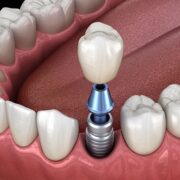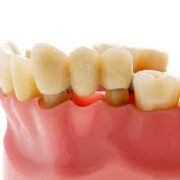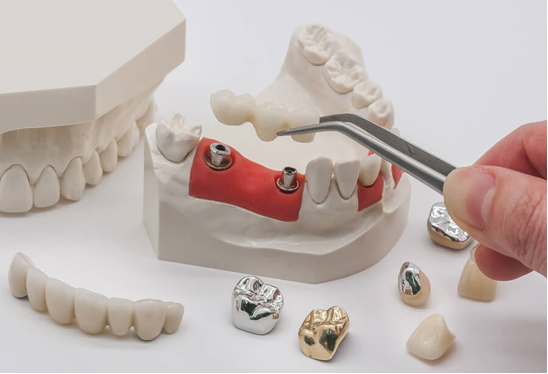
Dental crowns and tooth bridges are both restorative dental procedures that can be used to improve the appearance of your teeth and correct structural problems. Both involve the placement of a prosthetic, or artificial, “crown” on top of your natural tooth. A crown is usually made from high-strength plastic and metal alloy, with a more cosmetic finish than a traditional “copper crown.” A tooth bridge is an excellent way to replace a missing tooth when adjacent teeth are also in good condition. The dentist will remove some decay from the adjacent teeth and prepare them for attachment of false bridging. Once the adjacent teeth have been prepared, an impression is taken for the new teeth. In this article, we’ll look at what distinguishes these two restorative treatments and how they’re used.
Who is this article for?
This article is for patients who have broken, weak, root-canal-treated, or missing teeth and are confused between a dental crown and a tooth bridge. A crown is usually used to cover and protect an existing tooth, while a bridge is used to replace one or more missing teeth by taking support from nearby teeth or implants. The right choice depends on the condition of the tooth, number of missing teeth, bone support, bite, oral hygiene, and long-term treatment plan.
What is the difference between dental crowns and tooth bridges?
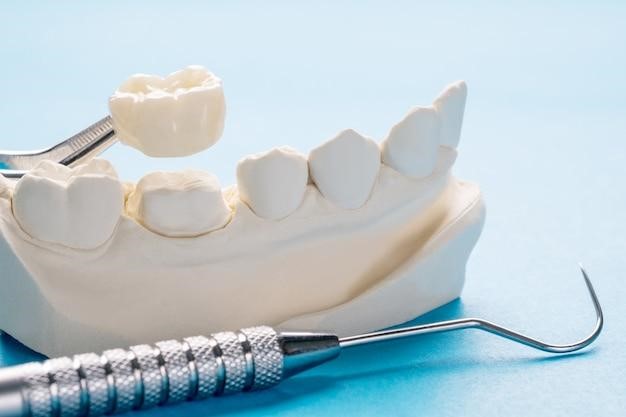
A dental crown is a cap placed over a natural tooth or implant to restore shape, strength, and appearance. A dental bridge replaces a missing tooth by joining artificial teeth to crowns on neighbouring teeth or implants. In simple words, crowns protect teeth; bridges replace missing teeth.
When is a dental crown advised?
A crown may be advised after root canal treatment, large fillings, tooth fracture, severe wear, weak enamel, discolouration, or when the tooth needs full coverage for protection. Crowns may also be placed over dental implants to replace missing teeth.
When is a tooth bridge advised?
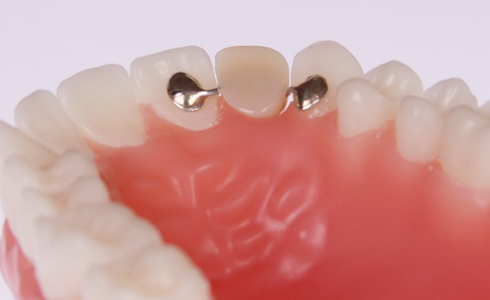
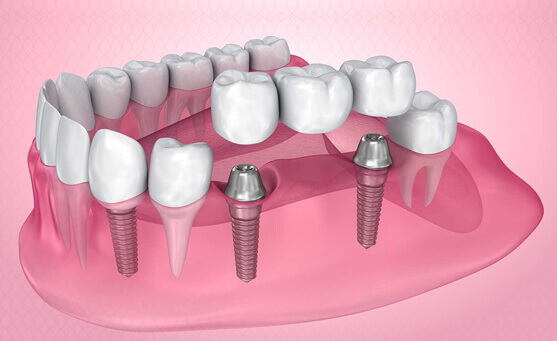
A bridge may be advised when one or more teeth are missing and the patient wants a fixed replacement. It may be supported by natural teeth or dental implants. The dentist must check whether the supporting teeth are strong enough before planning a bridge.
Which lasts longer: crown or bridge?
Both crowns and bridges can last for many years with proper care. Their lifespan depends on material, bite force, gum health, oral hygiene, underlying tooth support, and regular dental check-ups. Bridges need special cleaning under the missing-tooth area to prevent food lodgement and gum problems.
What’s the difference between crowns and bridging?
Both types of restorations are used to replace missing teeth to improve the aesthetics of your smile and the function of your bite. Crowns and bridges are two different ways of replacing teeth that are missing due to periodontal disease, an injury, or some other reason. When you lose teeth, the surrounding teeth can tilt and migrate into the gap left behind and cause other teeth to shift out of position. An oral health professional can restore your smile and prevent this shifting with a dental crown or a bridge. The main difference between a dental crown and a bridge is that a crown is placed on top of an existing tooth, while a bridge is used to span a gap between two teeth.
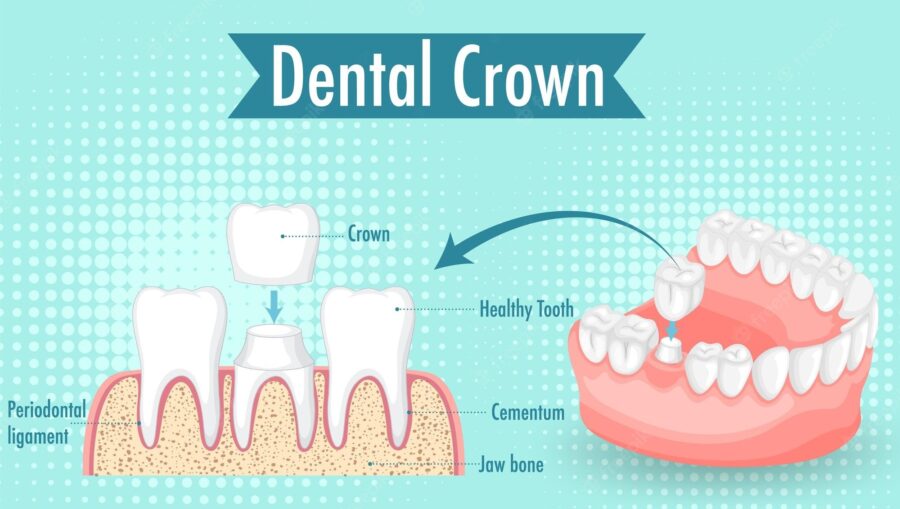
A tooth crown is a restoration placed on an intact tooth, while a bridge is used to replace a missing tooth. Basically, a bridge is used when the teeth on either side of the area of the missing tooth have enough structural integrity to support a false tooth (called an abutment) that’s placed in the middle. A crown, on the other hand, doesn’t require adjacent teeth to be healthy, because it’s placed completely over the entire tooth
How are dental crowns and bridges made?
Both crowns and bridges are made in the lab using a special type of dental cement. The lab technician prepares an impression of your tooth, which is then sent to a dental laboratory. A skilled technician creates your crown or bridge according to the exact specifications of your dentist. As with any restorative procedure, thorough cleaning and inspection of your teeth and gums is necessary to ensure that the crown or bridge will be a proper fit. The dentist will also check the health of your gums and recommend treatment if it’s necessary.
Costs of dental crowns and bridges
The cost of dental crowns and bridges varies depending on your individual situation. The American Dental Association estimates a price of between $800 and $1,200 for a single tooth crown. The cost of a bridge can vary from around $1,000 to over $4,000, depending on the type of materials used, the number of teeth being restored, the location of the dentist, the experience of the dentist, and other factors.
For a single tooth, a traditional metal crown is less expensive than a porcelain crown, which costs more because of the materials and labor required to create it. The price of a dental bridge varies depending on factors like the materials used, the amount of preparation needed on the adjacent teeth, and the location of the dentist. The cost of a bridge depends on factors like the materials used and the location of the dentist.
How to care for your new crown or bridge?
As with any restorative procedure, thorough cleaning and inspection of your teeth and gums is necessary to ensure that the crown or bridge will be a proper fit. The dentist will also check the health of your gums and recommend treatment if it’s necessary. The post-operative care after a dental crown or bridge is largely the same, with some slight variations. Here are some tips for caring for your new tooth crown or bridge: Brush and floss regularly to prevent bacteria from accumulating in and around the tooth.
This can lead to gum disease and other oral health problems. It’s important to use gentle brushing and flossing motions when cleaning your new crown or bridge. You may want to use a soft toothbrush with a reduced brushing pressure to avoid damaging the tooth. You can also use special cleaning tools like a floss threader to make cleaning around your crown or bridge easier.
Conclusion
A dental crown or a bridge may be necessary to restore your smile after a tooth has been lost. Decayed, or broken. While both restorative procedures can improve the aesthetics of your smile. They are used to replace missing teeth in different ways. Crowns are placed on teeth, while bridges are used to span gaps between teeth. A dentist may recommend dental crowns or dental bridges to improve the aesthetics of your smile. Correct tooth shape or size discrepancies, or be used to cover dental implants. Crowns and bridges are made in a dental laboratory using a special type of dental cement. Brush and floss regularly to prevent bacteria from accumulating in and around the tooth. This can lead to gum disease and other oral health problems. It’s important to use gentle brushing and flossing motions when cleaning your new crown or bridge.
FAQs
Is a crown better than a bridge?
They are used for different purposes. A crown protects an existing tooth, while a bridge replaces a missing tooth. The better option depends on the clinical situation.
Can a bridge be placed without cutting nearby teeth?
A traditional bridge needs support from nearby teeth. If the patient wants to avoid cutting adjacent teeth, an implant-supported option may be discussed.
Do bridges feel fixed like natural teeth?
Yes, bridges are fixed and do not need to be removed daily. However, they need careful cleaning around and under the bridge.
Can a crown or bridge be done in one day?
In selected cases, same-day crowns or bridges may be possible depending on the clinic setup, tooth condition, scan, bite, and material selected.
Suggested Article –
- Pros and Cons of Full Mouth Dental Implants
- Difference between Crowns and Dental Implants?
- Who is the Best Dental Implant specialist in Delhi?
- Are dental implants better than alternates?
Medical Disclaimer
This article is for patient education only. Dental treatment should be planned after clinical examination, medical history review, and X-rays or scans where required. Treatment suitability, cost, timeline, healing, and results vary from patient to patient.