

If you have a diseased tooth, your dentist will recommend treatment to help manage the problem and keep it from getting worse. Unfortunately, some dental problems are progressive and without treatment, they may worsen over time. Though no one wants to find out that they have a diseased tooth, it’s certainly not uncommon. Nearly everyone has some type of dental disease at some stage in life; it’s simply a matter of degree and probability. Unfortunately, without treatment, a diseased tooth can lead to further spread of cavities or gum disease or possibly become more medically advanced diseases, such as an oral cancer or a root canal. Thankfully, there are multiple options for treatment of the diseased tooth to minimize symptoms and keep your natural teeth as long as possible.
Who Is This Article For?
This article is helpful for:
- Patients with tooth pain
- People diagnosed with tooth decay
- Individuals with infected teeth
- Patients considering root canal treatment
- Anyone exploring tooth restoration options
What is a diseased tooth?
A diseased tooth is any tooth that has an infection or other condition that affects its health. The term “disease” in this sense is not meant to imply any type of long-term degeneration or genetic defect, but simply a condition that is causing a problem in the tooth’s structure or function. The most common causes of diseased teeth include dental decay (also known as cavities), gum disease, and trauma to the tooth. Other less common causes include infected root canals, cracks in the tooth resulting from excessive force, cysts and tumors affecting the tooth, and a variety of less common diseases and infections.
Periodontal Disease
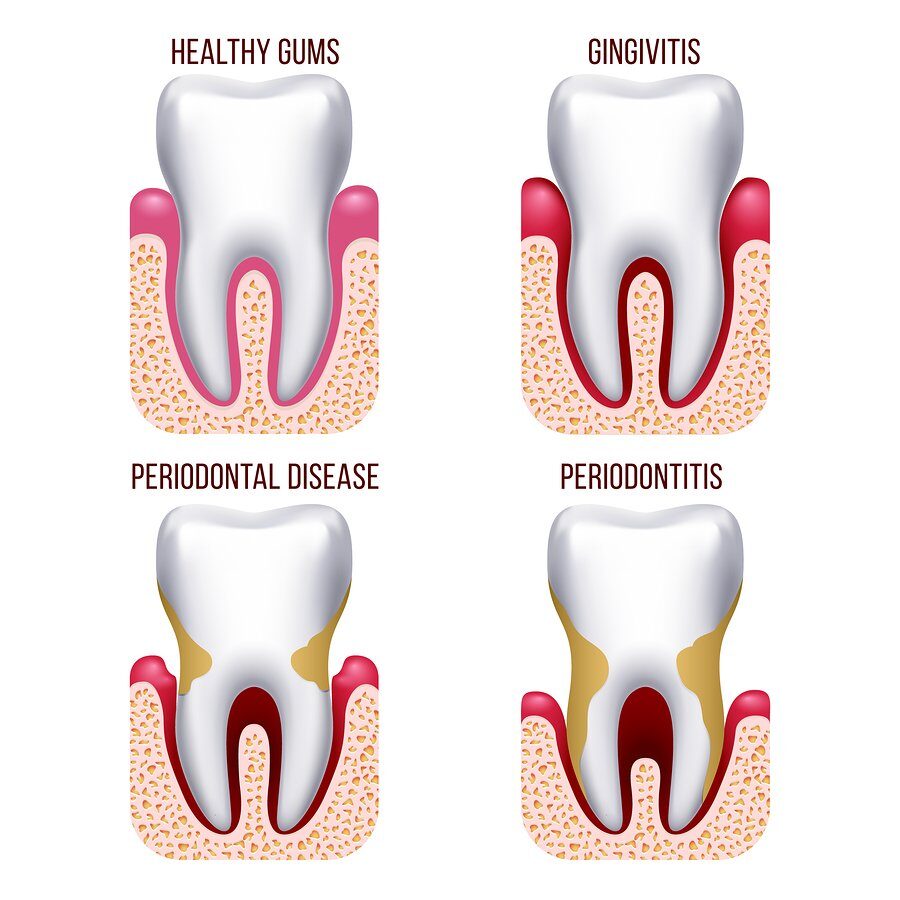
If you’ve been diagnosed with periodontal disease, you need to take better care of your gums. Also known as gum disease, this common dental problem is usually the result of neglecting to floss your teeth on a regular basis. The buildup of plaque-causing bacteria eventually leads to the development of gingivitis or periodontitis, the first stage of periodontal disease.
Symptoms of Periodontal Disease
- Gums that bleed after brushing, flossing, or eating crunchy foods
- Tender, painful, swollen gums
- Enlarging space between teeth
- Frequent mouth sores
The good news is, that periodontal disease can be treated over the course of a few dental appointments. Deep teeth cleanings will be required to remove the plaque and tartar buildup in and around your gums. This procedure can be painful to some people but is usually spread out over a number of sessions.
Tooth Decay & Deceased tooth
One of the most common dental diseases is tooth decay, which affects millions of children and adults worldwide. The development of cavities is the result of tooth decay caused by a failure to brush your teeth after consuming sizeable quantities of sugary and acidic foods and beverages. These substances perforate the enamel, which later allows the proliferation of cavity-causing bacteria.
Symptoms of Tooth Decay
- Sharp, localised pain around affected teeth, even if you are not chewing
- Grey or brown coloured spots appearing on the surface of your teeth
- Swollen gums surrounding decaying teeth
- Difficulty chewing food due to sensitivity
Cavities are treated by scraping or drilling away the bacteria from the surface of the tooth, which is later filled by composite or amalgam material to match the appearance of your natural tooth. If Cavities advance beyond the surface of your tooth to the interior pulp will require a root canal procedure performed by an endodontist.
Dental decay
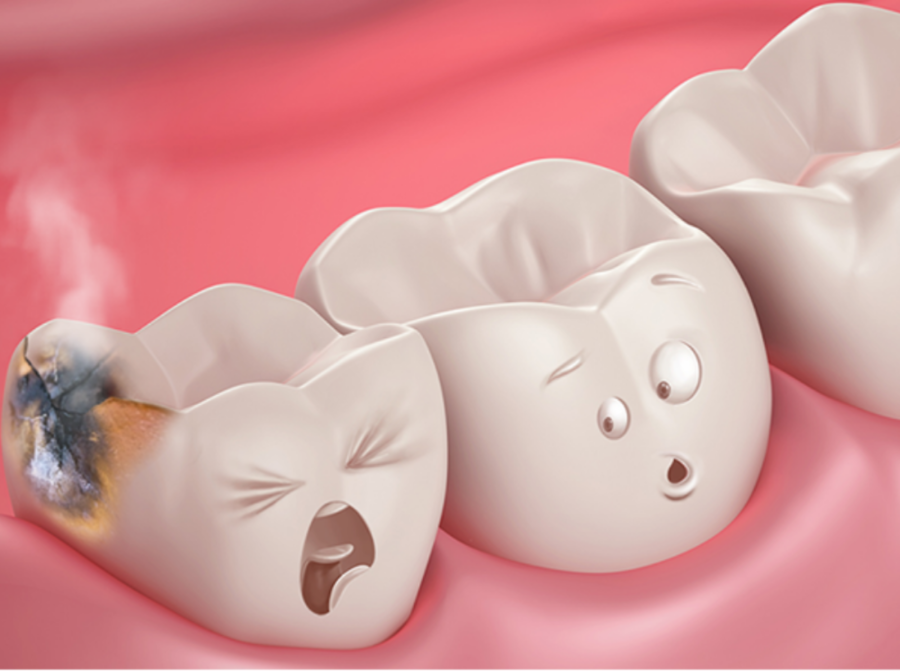
Dental decay is a bacterial infection that can occur inside the tooth and along the gum line. It is caused by plaque, a sticky and colourless film that is constantly forming on the teeth. Tooth decay is damage to a tooth’s surface or enamel. It happens when bacteria in your mouth make acids that attack the enamel. Tooth decay can lead to cavities (dental caries), which are holes in your teeth.
Gum disease | Deceased tooth
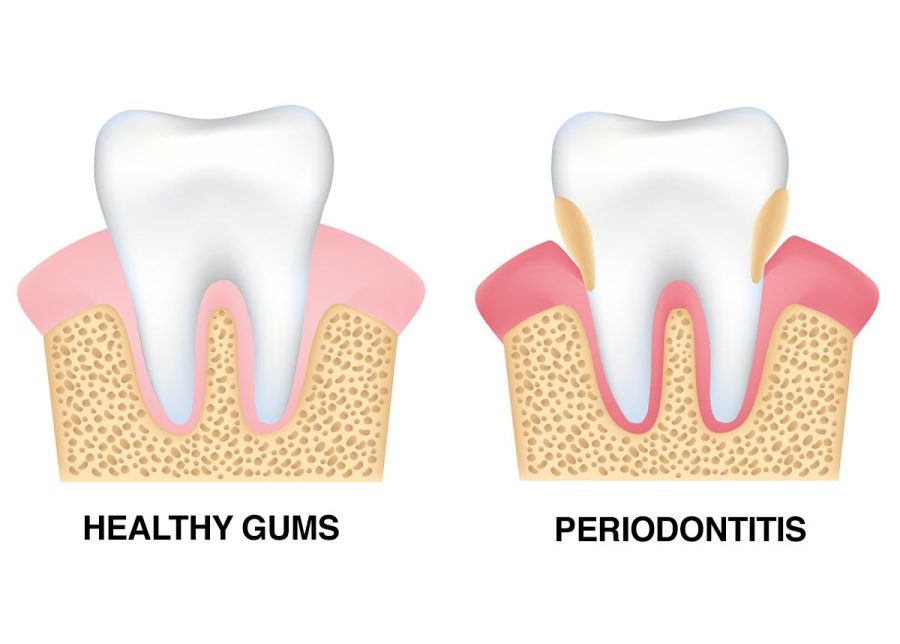
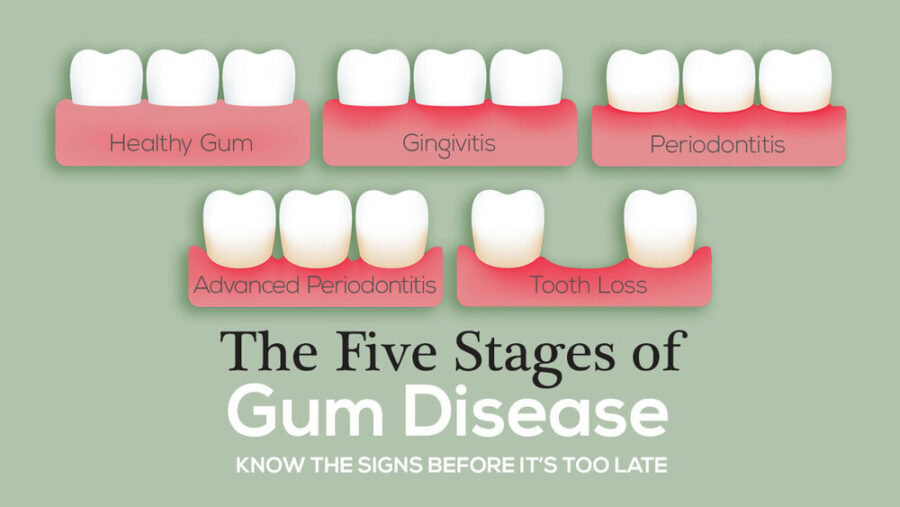
However, if the plaque is allowed to remain, it will begin to break down, forming tartar and becoming a breeding ground for harmful bacteria, which then travel through the bloodstream and infect the gums. Gum disease (which includes gingivitis and periodontitis) is a bacterial infection that attacks the gums and bone surrounding the teeth. If left untreated, it can lead to tooth loss and other health problems.
What are the symptoms of Gum Disease?
Gum disease may progress painlessly, producing few obvious signs, even in the late stages of the disease. Although the symptoms of periodontal disease often are subtle, the condition is not entirely without warning signs. Certain symptoms may point to some form of the disease.
The symptoms of gum disease include:
- Gums that bleed during and after tooth brushing
- Red, swollen gums. Healthy gums should be pink and firm.
- Persistent bad breath or a bad taste in the mouth
- Receding gums
- Formation of deep pockets between teeth and gums
- Loose or shifting teeth
- Changes in the way teeth fit together upon biting down, or in the fit of partial dentures
Even if you don’t notice any symptoms, you may still have some degree of gum disease. In some people, gum disease may affect only certain teeth, such as the molars. Only a dentist or a periodontist can recognize and determine the progression of gum disease.
Root canal treatment (END)
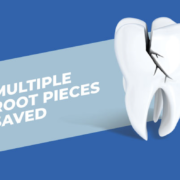
A root canal occurs when the pulp inside the tooth becomes infected. The pulp is the soft, tissue-filled center in the center of the tooth, which contains blood vessels and nerves. If the pulp becomes inflamed or infected, it is usually because of a cracked or broken tooth. If left untreated, the infection can spread and cause significant pain and damage to the surrounding tissue and the tooth’s structure. A root canal is a procedure in which the dentist removes the bacteria-filled pulp and cleans out the inside of the tooth.
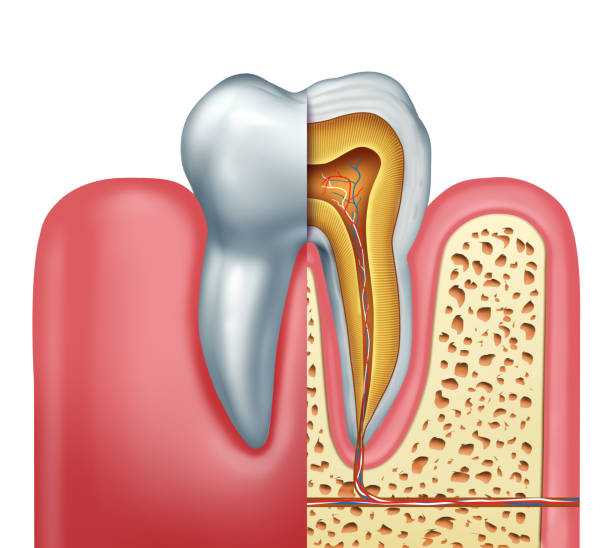
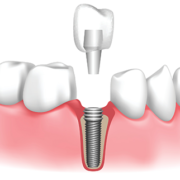
A root canal is a treatment to repair and save a badly damaged or infected tooth instead of removing it. The term “root canal” comes from cleaning the canals inside a tooth’s root. Decades ago, root canal treatments often were painful. With dental advances and local anesthetics, most people have little if any pain during a root canal. In fact, it’s probably more painful living with a decayed tooth. Root canal alternatives include extracting the damaged tooth, no further treatment, or replacing the tooth with a dental implant, bridge, or removable partial denture.
Oral surgery and extractions
To treat the diseased tooth, your dentist may recommend one of several treatment options, including root canal therapy, an endodontic procedure; a dental extraction; or, more likely, a combination of both. Depending on the severity of the infection and the location of the tooth, your dentist may recommend immediate extraction of the tooth.
Conclusion
Treatment options for a diseased tooth range from simple fillings and root canal treatment to crowns, periodontal therapy, extractions, and dental implants. The best treatment depends on the severity of the disease and the condition of the tooth. Whenever possible, preserving the natural tooth is preferred, but modern restorative and implant dentistry provide excellent solutions when replacement becomes necessary.
Book Your Consultation
At Royal Dental Clinics, we provide comprehensive diagnosis, root canal treatment, dental crowns, gum disease therapy, tooth replacement solutions, and advanced dental implant treatment to help restore healthy smiles and long-term oral function.
FAQ
What is the best treatment for a diseased tooth?
The best treatment depends on the severity of the condition and may include fillings, root canal treatment, crowns, periodontal therapy, or extraction.
Can a diseased tooth be saved?
Yes. Many diseased teeth can be successfully treated and preserved with early dental intervention.
When is a root canal needed?
A root canal is typically recommended when infection or damage reaches the dental pulp inside the tooth.
When should a diseased tooth be extracted?
Extraction may be necessary when a tooth is severely damaged, infected, fractured, or cannot be restored predictably.
What happens after tooth extraction?
Missing teeth can be replaced using dental implants, bridges, or dentures to restore function and appearance.
Suggested Article –
Pros and Cons of Full Mouth Dental Implants
Difference between Crowns and Dental Implants?
Who is the Best Dental Implant specialist in Delhi
Medical Disclaimer
This article is for patient education only. Dental treatment should be planned after clinical examination, medical history review, and X-rays or scans where required. Treatment suitability, cost, timeline, healing, and results vary from patient to patient.