

Having a proper oral health diet is essential to keep your body functioning well and reduce the risk of developing chronic diseases starting from mouth. However, what you eat doesn’t directly affect your oral health. Indeed, having healthy teeth and preventing dental issues have nothing to do with your diet per se. It’s more about how often you brush your teeth and how good you are at cleaning them after every meal. However, there are certain factors that can have a positive impact on your mouth, while others may have a negative effect. Let’s see which foods can help protect or harm your pearly whites.
Who Is This Article For?
- People looking to improve oral health
- Patients with tooth decay or gum disease
- Parents concerned about their family’s dental health
- Individuals interested in healthy eating
- Anyone wanting healthier teeth and gums
What affects your Oral Health?
There are two things that are essential for the general health of your teeth: a healthy diet and good oral hygiene. Let’s see what a healthy diet looks like, and how it can affect your oral health. A balanced diet that includes fruit, vegetables, whole grains, proteins (mostly fish and poultry), nuts, seeds, and legumes can significantly reduce the risk of dental caries and gum disease. In particular, vegetables and fruits are rich in antioxidants, vitamins, and minerals essential for your oral health. Beans and legumes are also good sources of protein and fiber, but they can be harmful to your oral health if they are not thoroughly cooked.
Did you know this about Teeth!
Did you know that the foods you eat are an important part of building strong teeth? Healthy teeth, like the rest of your body, need you to consume nutritional foods. Calcium, phosphorus, and vitamin A help build and protect tooth enamel (the outer layer of your teeth). Here are some foods with high amounts of these nutrients:
- Milk
- Plain yogurt
- Cheese
- Leafy greens like kale, collard greens, and spinach
- Calcium-fortified foods; cereal, canned sardines, tofu, and orange juice
- Protein-rich food like meat, poultry, fish, and eggs
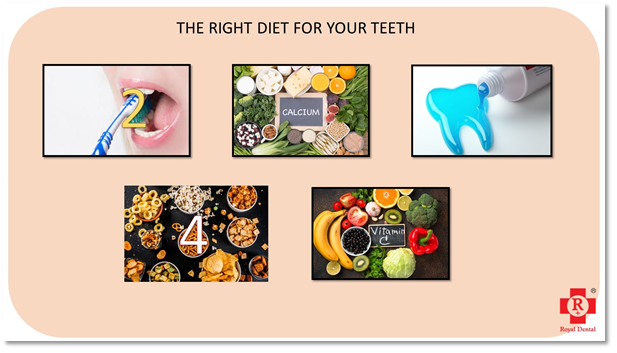
Fruits and vegetables are a source of vitamin C, which is good for healthy gums. Eating fruits and veggies can stimulate saliva production. Saliva contains minerals like calcium, fluoride, and phosphate ions, which keep the surface of your teeth strong. Saliva also washes away food particles and debris from teeth and gums. Remember to drink plenty of water throughout the day. This is an easy way to keep your mouth clean and avoid bad breath from a dry mouth.
Sugars and starches: Benefit or Harm? Oral Health Diet
Of all the foods that are harmful to your teeth, sugars and starches are the most notorious. If you want to keep your teeth healthy for a long time, you should reduce the amount of these foods in your diet. What sugars and starches do is feed the bacteria that cause tooth decay. If you overfeed them, these bacteria can create acid that will erode your teeth. If you want to protect your teeth, avoid sticky foods, and don’t forget to brush after every meal. Brushing your teeth is the only way to get rid of the sugars and starches that cause tooth decay.
If you want to protect your teeth from sugary foods, you’ll have to reduce the amount of sugar in your diet. This is necessary not only because sugar is bad for your oral health, but also because it can lead to obesity, which is also harmful to your health. If you want to reduce the amount of sugar in your diet, you should start by reading food labels. You’ll be surprised to see how many foods contain sugar. Some foods that are high in sugar but can be enjoyed in moderation are baked goods, sweets (including chocolate), fruit juices, yogurt, ice cream, and cereal.
Frying, roasting, and grilling: Pros and Cons
Fried and roasted foods are harmful to your oral health. You should avoid them as much as you can. The high temperature at which these foods are cooked can damage your teeth. Fried foods are particularly harmful to your teeth. The high temperatures used to cook these foods result in a large amount of acrylamide, a substance that is extremely harmful to your oral health.
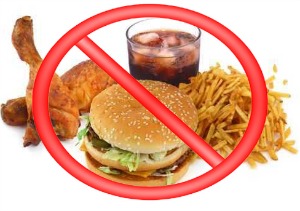
Roasting and grilling are less harmful to your teeth than frying. Roasting and grilling are actually healthier than frying because they use lower temperatures and don’t form acrylamide. However, roasting, grilling, and frying are always bad for your teeth. You should avoid these methods of cooking if you want to keep your teeth healthy.
Vegetables and fruits diet protect Oral health
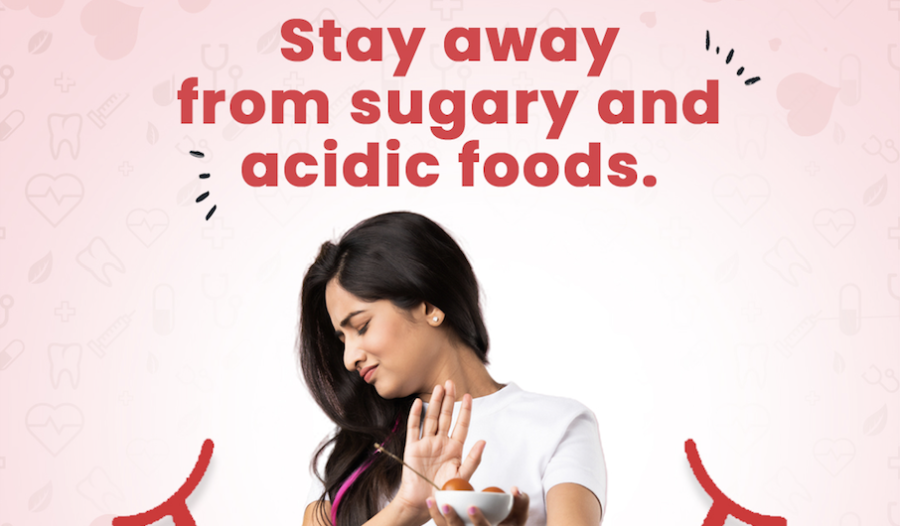
Vegetables and fruits are excellent for your oral health. They are rich in vitamins, minerals, and antioxidants that are essential for the health of your teeth. However, some foods, like citrus fruits, are acidic. They can damage your teeth if you don’t thoroughly chew them. Fruit and vegetable juices can be harmful to your teeth as well. This is because they are highly acidic and can damage your teeth. If you want to protect your teeth from juices, you should drink them through a straw. This will prevent the juices from coming in contact with your teeth.

Beans and Legumes: Harmful for your Oral Health?
Beans and legumes are packed with protein and fiber, and they can be a very healthy part of your diet. However, they are also very acidic. This means that they are harmful to your teeth if you don’t thoroughly chew them. You should thoroughly chew legumes before swallowing them. You should also drink liquids through a straw when you eat beans or legumes. If you don’t chew thoroughly, the acids in legumes can erode your teeth. If you don’t use the right technique when eating beans and legumes, they can be harmful to your oral health.
Conclusion
Diet has a direct impact on oral health. Foods rich in nutrients help strengthen teeth and support healthy gums, while sugary and acidic foods can increase the risk of cavities, gum disease, and enamel erosion. Making healthier food choices and maintaining good oral hygiene habits can significantly improve long-term dental health.
Book Your Consultation
At Royal Dental Clinics, we provide preventive dental care, nutritional guidance, cavity treatment, and comprehensive oral health services. Our team helps patients protect their smiles through personalized care and long-term dental wellness strategies.
FAQ
Does diet have an effect on oral health?
Yes. Diet directly affects tooth decay, gum health, enamel strength, and overall oral health.
Which foods are best for healthy teeth?
Dairy products, leafy greens, nuts, fruits, vegetables, and lean proteins provide nutrients that support oral health.
Can sugar damage teeth?
Yes. Sugar feeds bacteria that produce acids capable of damaging tooth enamel and causing cavities.
Are acidic drinks bad for teeth?
Yes. Frequent consumption of acidic drinks can contribute to enamel erosion and tooth sensitivity.
Can a healthy diet help prevent gum disease?
A balanced diet rich in vitamins and minerals can support gum health and help reduce inflammation associated with gum disease.
Suggested Article –
Medical Disclaimer
This article is for patient education only. Dental treatment should be planned after clinical examination, medical history review, and X-rays or scans where required. Treatment suitability, cost, timeline, healing, and results vary from patient to patient.