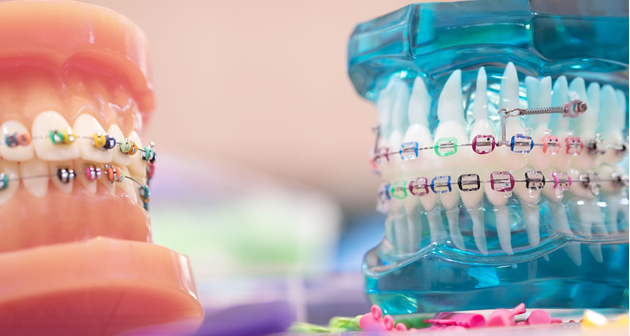
Yes, a general dentist may provide certain orthodontic treatments if they have the appropriate training, knowledge, and clinical competence. Many general dentists offer services such as clear aligners and manage selected orthodontic cases, while more complex bite problems, jaw discrepancies, and severe malocclusions are typically referred to an orthodontist. Orthodontists are dentists who complete additional specialist training focused exclusively on diagnosing, preventing, and correcting irregularities of the teeth and jaws. Can a general dentist do orthodontics? Understand the difference between a dentist and orthodontist and whom to consult for braces or aligners.
General dentists and orthodontists are both dental specialists with unique skills. While it may seem that these two professions have little in common, they do share similar responsibilities. Both professionals work to improve the health and appearance by diagnosing oral health problems and developing treatment plans to address those issues. The main difference between a dentist and an orthodontist is their area of specialty. Dentists receive training in treating a wide variety of dental issues such as cavities, gingivitis, and periodontal disease, as well as aligning teeth using braces or other appliances when necessary. Orthodontics is a subspecialty of dentistry that focuses on aligning teeth for an attractive smile through braces, Invisalign®, or other corrective measures.
Who Is This Article For?
- Patients considering braces or clear aligners
- Parents seeking orthodontic treatment for children
- Individuals with crooked or misaligned teeth
- Patients wanting to understand the difference between dentists and orthodontists
- Anyone exploring orthodontic treatment options
Who is an Orthodontist?
An orthodontist is a dental specialist who has completed additional education in the fields of dentistry and orthodontics. They specialise in the diagnosis and treatment of misaligned teeth and jaws. Because orthodontists undergo more training than dentists, they are more qualified to treat patients with severe orthodontic issues. In some cases, such as when a child has a congenital or genetic condition that has caused misalignment, a dentist may refer a patient to a braces dentist for treatment.

Orthodontists often treat patients who have difficulty achieving optimum dental health through regular brushing and flossing. Children with severe spacing issues, those who experience significant tooth decay, or those with other dental health issues are often treated by braces dentist. Adults who have lost teeth in an accident or from periodontal disease are also good candidates for orthodontic treatment.
Can a General Dentist practice Orthodontics?
YES! A dentist can become an orthodontist. To become an orthodontist, one must complete an additional three years of graduate-level education. General dentists who wish to become orthodontists may pursue this route by completing a dental hygiene program, a full-time master’s program, or a doctoral program in orthodontics. Dentists who wish to become orthodontists typically go through an additional two to three years of graduate school.
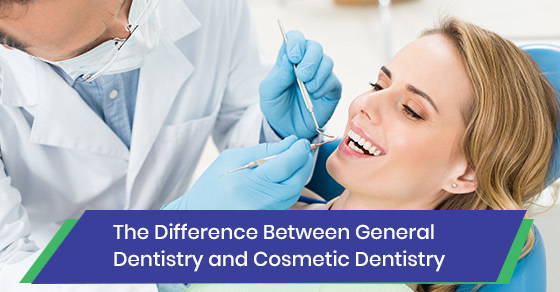
Why pursue Orthodontics?
There are many reasons why a dentist may seek to become an orthodontist. Becoming an orthodontist allows general dentists to practice a subspecialty of dentistry that is less time-consuming than general dentistry. As a result, many general dentists who become orthodontists are able to see more patients in a day than they could as a general dentist.
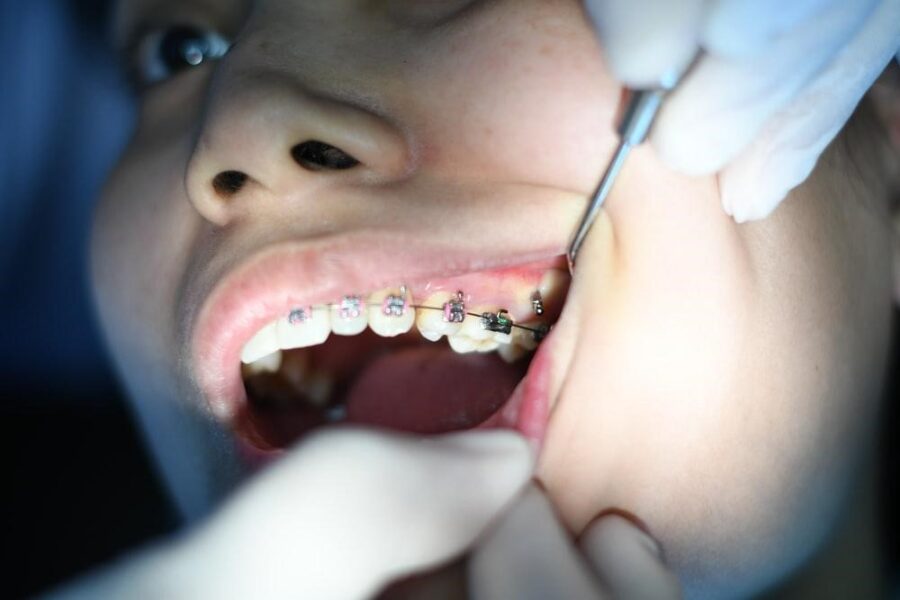
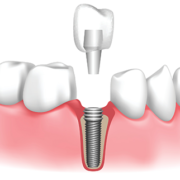
The Orthodontists are also better compensated for their services than general dentists. Orthodontists can also help to reduce the stigma of going to the dentist that is often associated with braces. The Orthodontists are able to perform more involved dental procedures such as dental extractions, tooth implants, and wisdom teeth removal. As a result, orthodontists often have more autonomy in their specialty than general dentists.
Why Doesn’t a General Dentist Practice Orthodontics?
Some general dentists may not want to go through the extra training to become an orthodontist. Other dentists may not have the time to pursue an additional three years of schooling. Dentists may also not have the interest in treating orthodontic patients because orthodontic care often requires more invasive dental procedures than general dentistry. Those who become orthodontists also often earn more than their general dentist colleagues. Orthodontists are also able to treat a wider range of patients than general dentists, as general dentists do not perform any dental procedures that require braces.
Conclusion
Choosing the right dental professional depends on the complexity of your orthodontic needs. General dentists with appropriate training may successfully manage selected orthodontic cases, particularly mild tooth alignment problems and certain clear aligner treatments. However, patients with complex bite issues, significant jaw discrepancies, impacted teeth, or severe malocclusions often benefit from the additional expertise of an orthodontist. Accurate diagnosis and careful treatment planning are essential to achieving a healthy bite, stable results, and an attractive smile.
Regardless of who provides your orthodontic care, selecting a qualified dental professional with the appropriate experience is the key to successful treatment. Early orthodontic evaluation can identify developing alignment problems, allowing timely intervention and helping patients achieve better long-term oral health and function.
Frequently Asked Questions
Can general dentist practice orthodontics?
Yes. General dentists with appropriate education, training, and clinical competence may provide selected orthodontic treatments. More complex orthodontic cases are typically referred to an orthodontist.
What is the difference between a general dentist and an orthodontist?
A general dentist provides comprehensive dental care, while an orthodontist is a dentist who has completed additional specialist training focused on correcting misaligned teeth and jaws.
Can a general dentist provide braces?
Some general dentists provide braces or clear aligner treatment for suitable cases if they have the necessary training and experience. Complex cases are often best managed by an orthodontist.
When should I see an orthodontist instead of a general dentist?
Patients with severe crowding, complex bite problems, jaw discrepancies, impacted teeth, or significant facial growth concerns are often referred to an orthodontist for specialist evaluation.
Is orthodontic treatment only for children?
No. Orthodontic treatment can be successful for both children and adults. Many adults choose braces or clear aligners to improve their smile, bite, and long-term oral health.
Suggested Article –
Medical Disclaimer
This article is for patient education only. Dental treatment should be planned after clinical examination, medical history review, and X-rays or scans where required. Treatment suitability, cost, timeline, healing, and results vary from patient to patient.