Can cosmetic dentistry fix an overbite? This is a common question among people who want to improve both their smile and their bite. An overbite occurs when the upper front teeth significantly overlap the lower front teeth. While a mild overbite may mainly affect appearance, more severe cases can lead to difficulties with chewing, speech, excessive tooth wear, and jaw discomfort. Cosmetic dentistry can enhance the appearance of teeth in selected mild cases, but it does not correct the underlying bite alignment. Depending on the severity of the condition, your dentist may recommend orthodontic treatment, clear aligners, braces, or, in complex cases, orthognathic (jaw) surgery to achieve the best long-term results.
Who Is This Article For?
If you’re wondering whether cosmetic dentistry can fix an overbite, this article is for you. It is especially helpful for:
- Adults with mild to moderate overbites
- People considering cosmetic smile enhancement
- Patients exploring orthodontic treatment
- Anyone experiencing bite-related concerns
What is an Overbite?
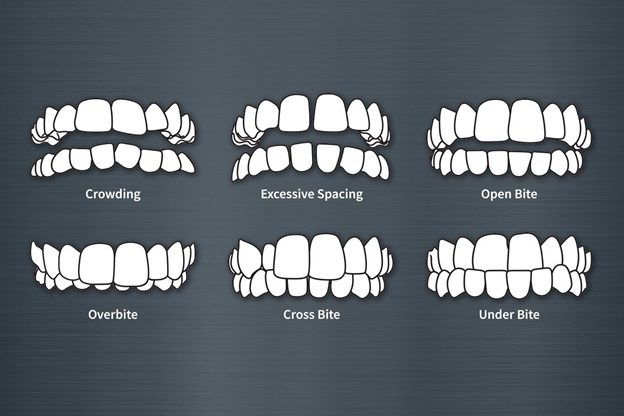
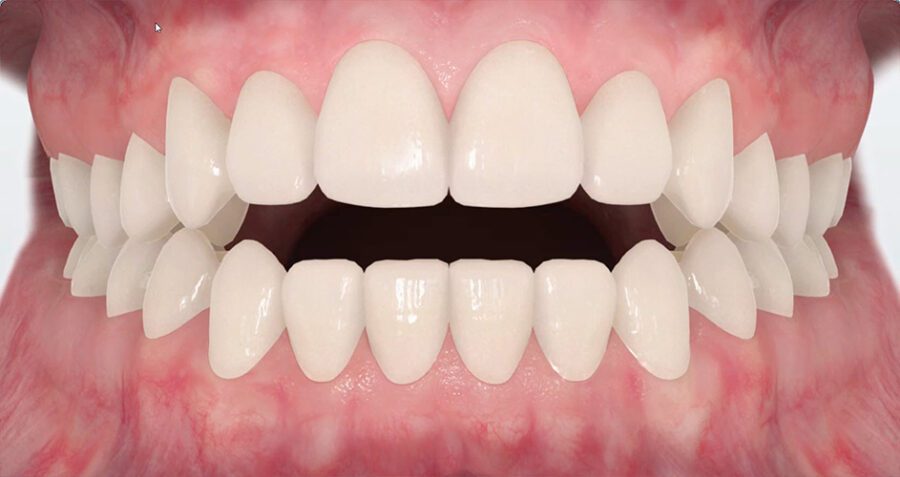
An overbite is when the upper teeth are positioned in front of the lower jaw, and an underbite is when the lower teeth are in front.
A moderate overbite isn’t usually a cause for concern, but like all bites, it’s a matter of personal preference.
If your overbite is excessive, it can make you look younger, but it can also cause problems with teeth as you age. An overbite can also lead to a condition known as TMJ, which refers to pain in the jaw joint.
Why does your mouth have an Overbite?
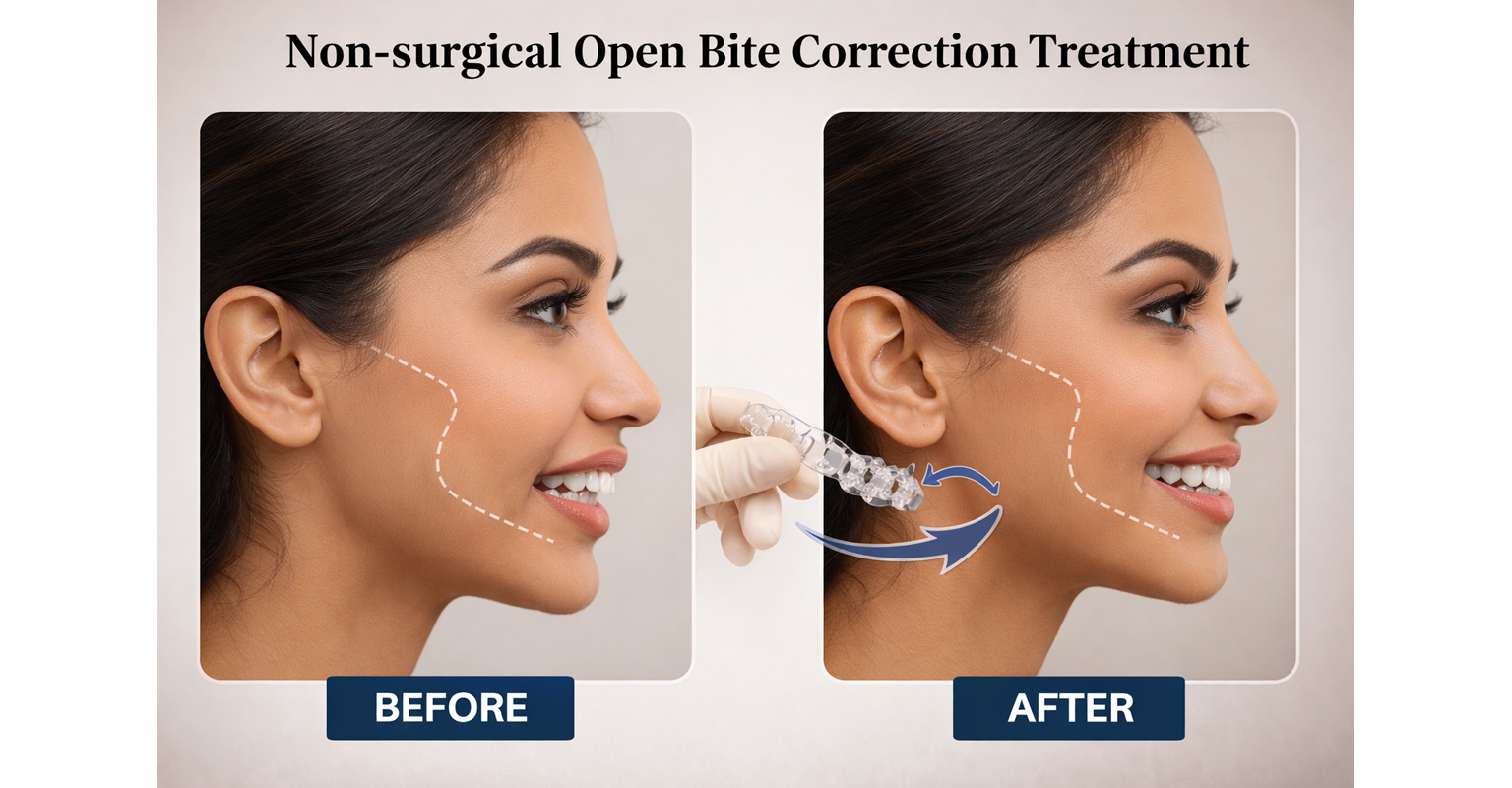
Overbite is a common dental issue, especially among young adults. There are several possible causes of it, including a large tongue, a small jaw, and a large amount of pressure applied to the teeth. In cases where the jaw considered underdeveloped an overbite may occur or if you are growing. It is more common in tongue-tied people because an overbite affects the chewing of food and swallowing.
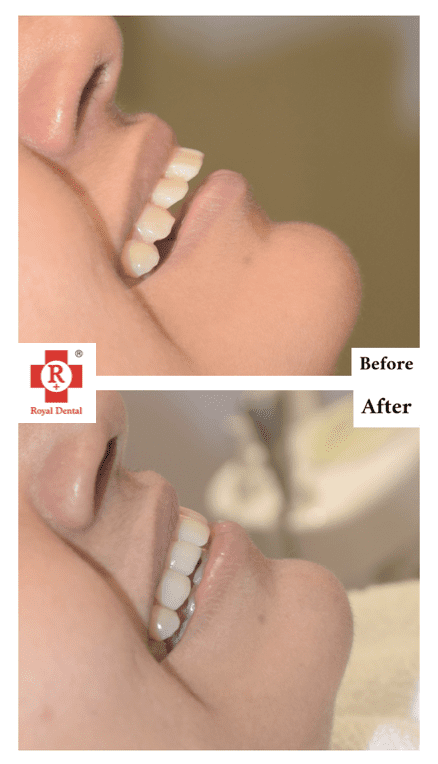
To a lesser extent, it may be caused by your jaw not growing at the same rate as the rest of your body. It’s important to understand that an overbite isn’t a disease or a problem. It’s a common occurrence in which the upper front teeth are positioned slightly forward of the lower jaw.
Side Effects of Having an Overbite
If your overbite is moderate, you may have no side effects whatsoever. But if it is extreme, it can lead to complications with eating and speaking and may also lead to other problems like TMJ (temporomandibular joint) syndrome in rare cases. A severe protruded bite can make it challenging to chew properly and may cause problems with your jaw and TMJ.
The pressure of your teeth against the jaw can lead to issues like headaches, jaw pain, and TMJ syndrome. Overbite can also make it difficult to speak and can lead to further complications with eating. For example, it can make it difficult to properly pronounce certain sounds, like the “s” sound or the “t” in the word “teeth.”
How can Cosmetic Dentistry fix protruded bite?
There are a few ways that cosmetic dentistry can fix an overbite, but the most common is to remove teeth from the back of the upper jaw. Based on severity of the case the removal of teeth determined. The most important thing to understand is that you shouldn’t try to fix your front teeth without seeing a professional. You should see a dentist or an orthodontist, who can help you determine whether you need to undergo treatment.
TMJ and an Overbite
TMJ better described as a condition in which pain generally experienced is in the jaw joint area. As we mentioned, an overbite can lead to TMJ, but an underbite can also lead to TMJ in rare cases. We don’t know exactly what causes TMJ, but researchers suspect it has to do with a combination of genetics, stress, and jaw misalignment. Just like orthodontics can fix an overbite, orthopedics is the field of dentistry that can help treat TMJ.
Dental Overbite Versus Skeletal Overbite
Explain that minor appearance concerns involving tooth shape or inclination may sometimes be camouflaged with bonding, veneers or crowns, but these treatments do not correct every underlying bite problem. A dental overbite may require orthodontics, while a significant skeletal jaw discrepancy may require combined orthodontic and orthognathic assessment.
Conclusion
Whether you’re concerned about the appearance of your smile or experiencing discomfort from an overbite, our experienced dental team can assess your bite and recommend the most suitable treatment for your needs.
Book your consultation today for a comprehensive bite evaluation and receive a personalised treatment plan to improve your smile, oral function, and long-term dental health.
FAQs
Can cosmetic dentistry fix an overbite?
Cosmetic dentistry can improve the appearance of teeth in mild cases but usually cannot correct the underlying bite alignment. Moderate to severe overbites typically require orthodontic treatment such as braces or clear aligners.
What is the best treatment for an overbite?
The best treatment depends on the severity of the overbite. Options include braces, clear aligners, restorative dental procedures for selected cases, and jaw surgery for severe skeletal overbites.
Can veneers fix an overbite?
Veneers may improve the appearance of a very mild overbite but are not intended to correct significant bite problems or jaw alignment.
Can an untreated overbite cause health problems?
Yes. A significant untreated overbite may contribute to uneven tooth wear, jaw pain, chewing difficulties, speech problems, and TMJ disorders.
Should I see a dentist or an orthodontist for an overbite?
A general dentist can evaluate your bite and recommend the most appropriate treatment. If orthodontic correction is required, you may be referred to an orthodontist or another appropriate dental specialist.