Paediatric dentistry is the specialised branch of dentistry focused on the oral health of infants, children, and adolescents, including children with special healthcare needs. A paediatric dentist receives additional training in children’s dental development, behaviour management, preventive care, and treatment of common childhood dental conditions. Starting dental care early helps children develop healthy habits, detect problems sooner, and maintain healthy teeth and gums as they grow. Learn what paediatric dentistry includes, its benefits, when children should first visit a dentist, common treatments and child dental care FAQs.
Keeping your child’s teeth clean is important. It not only helps them avoid cavities and other dental problems, but it also makes eating and speaking more comfortable. Visiting a paediatric dentist, however, can feel like an intrusion on their childhood if you’re the parent of a young child. Fortunately, there are plenty of benefits to taking your son or daughter to the dentist. Read on to learn why paediatric dentistry is so important and what to look for when searching for a good dentist for your child.
Who Is This Article For?
- Parents of infants and young children
- Parents looking for a paediatric dentist
- Families concerned about childhood cavities
- Parents wanting to establish good oral hygiene habits
- Children who need preventive or specialised dental care
What Is Paediatric Dentistry?
Paediatric dentistry is a branch of dentistry focused on the oral health of infants, children and adolescents, including children with special healthcare needs. It combines preventive dental care, diagnosis, treatment and age-appropriate management of a child’s behaviour during dental visits. Children’s teeth, jaws and oral habits change as they grow. Paediatric dental care therefore includes monitoring the development of primary teeth, eruption of permanent teeth, jaw growth, bite and oral hygiene habits.

What Does a Paediatric Dentist Treat?
- Dental examinations for infants and children
- Cavity-risk assessment
- Fluoride treatment
- Pit-and-fissure sealants
- Fillings and restorations
- Treatment of infected primary teeth
- Pulp therapy for selected baby teeth
- Removal of non-restorable or retained teeth
- Management of dental injuries
- Assessment of tooth eruption and bite development
- Space maintainers after premature loss of a baby tooth
- Guidance for thumb-sucking and other oral habits
- Care for children who are anxious or have special healthcare needs

Benefits of Paediatric Dentistry
Early Detection of Dental Problems: Regular examinations can identify cavities, developmental abnormalities, gum problems and tooth-eruption concerns before they become more complicated. Early treatment may help preserve tooth structure and reduce the likelihood of pain or infection.
Prevention of Childhood Cavities: Paediatric dental visits allow the dentist to assess the child’s cavity risk and recommend suitable preventive measures. These may include fluoride toothpaste guidance, professional fluoride application, sealants, dietary advice and improved brushing techniques.
Protection of Primary Teeth: Baby teeth are important for chewing, speech, appearance and maintaining space for permanent teeth. Losing a primary tooth too early may allow nearby teeth to shift and reduce the space available for the developing permanent tooth.
A decayed baby tooth should not be ignored simply because it will eventually fall out. The appropriate treatment depends on the child’s age, remaining life of the tooth, severity of decay and presence of infection.
Guidance for Parents
- Brushing technique
- Appropriate fluoride toothpaste quantity
- Cleaning between the teeth
- Bottle-feeding and bedtime habits
- Sugary snacks and drinks
- Pacifier and thumb-sucking habits
- Dental injury prevention
- Timing of future dental visits
When Should a Child First Visit the Dentist?
A child’s first dental visit is generally recommended by the first birthday or within approximately six months after the first tooth appears. The first visit is usually preventive. The dentist may examine the erupted teeth and gums, assess cavity risk, discuss feeding and brushing habits and help the child become comfortable with the dental setting. Parents should arrange an earlier assessment if they notice pain, swelling, dental injury, unusual tooth colour, delayed eruption or visible tooth decay.

What Happens During a Child’s First Dental Visit?
- Review the child’s medical and dental history
- Examine the teeth, gums, jaws and bite
- Assess tooth eruption and development
- Check for early childhood cavities
- Demonstrate brushing techniques
- Discuss fluoride and toothpaste use
- Review feeding and dietary habits
- Recommend preventive treatment
- Determine an appropriate review schedule
How Often Should Children Visit a Dentist?
Many children benefit from a dental examination approximately every six months. However, the appropriate interval should be based on the child’s cavity risk, oral hygiene, diet, dental development and previous treatment. Children with frequent cavities, enamel defects, orthodontic appliances or special healthcare needs may require more frequent monitoring.
Visiting a Paediatric Dentist Can Find Problems Early
No matter how careful you are when cleaning your child’s teeth, you may miss something. Whether you’re rushing or just aren’t very good at it, a pediatric dentist can find problems that you miss. A dentist, therefore, can find cavities and other problems early on. To be clear, your child can still develop cavities even if you take them to the dentist early and often. It’s just that they’ll be able to fix the problem before it spreads and causes bigger issues.
Paediatric Dentist educate and train your child
A good paediatric dentist will also educate and train your kid. They’ll teach your child how to do proper oral hygiene and clean their teeth. They’ll also make sure your child does it properly and knows when they need to see the dentist again. A good pediatric dentist will also teach your child about proper nutrition. This is important because it can help your child avoid cavities in the long run.
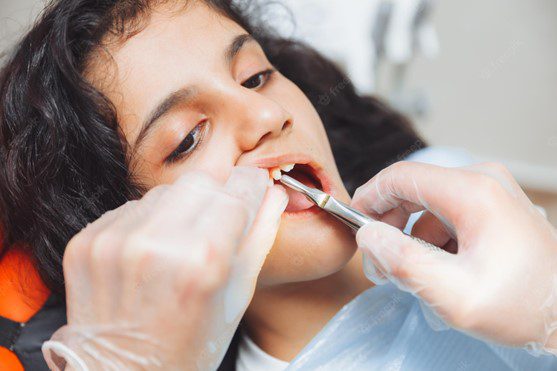
A dentist can also help your child avoid eating disorders and other eating problems. A good paediatric dentist will be able to spot eating issues early on. They can also offer tips for healthy eating and improve your child’s self-confidence. This can make a big difference in your child’s life, as eating disorders can put a lot of pressure on a person.
3 Tips for Finding a Good Paediatric Dentist
Use your insurance – If you have insurance, you can use it to find dentists in your area. You can also use it to find out what services your dentist offers and what they cost. This can help you narrow down your options and find a dentist that’s in your price range.
Ask your dentist – If you’re already seeing a dentist, they can recommend a good paediatric dentist. They know who the best pediatric dentists in your area are and can help you find the best one for your child.
Ask your dentist during your appointment – If you don’t have any luck finding a pediatric dentist using the above tips, you can always ask your current dentist. They may know of another dentist in the area that they think is great.
Ask around – Another good way to find a pediatric dentist is to ask around. Talk to friends and family members and see if they can recommend a good paediatric dentist for you.
Conclusion
Paediatric dentistry helps children maintain healthy teeth and gums through preventive care, early diagnosis, and age-appropriate treatment. Regular dental visits can help prevent cavities, monitor tooth development, provide fluoride and sealant treatments when needed, and teach children the right oral hygiene habits. Starting dental care early gives parents professional guidance and helps children become comfortable with dental visits. Consistent paediatric dental care, healthy eating habits, proper brushing, and regular check-ups can give children a strong foundation for lifelong oral health.
Frequently Asked Questions
What Are Paediatric Dentistry and Its Benefits?
Paediatric dentistry is specialised dental care for infants, children, and adolescents. Its benefits include early detection of dental problems, cavity prevention, monitoring of dental development, oral hygiene education, and age-appropriate treatment.
At what age should a child first visit a paediatric dentist?
A child should have their first dental visit after the first tooth appears and no later than their first birthday.
What treatments does a paediatric dentist provide?
Paediatric dentists provide examinations, cavity prevention and treatment, fluoride care, sealants, oral hygiene guidance, dental trauma management, and monitoring of developing teeth and jaws.
Is fluoride safe for children?
Fluoride is an effective tool for preventing dental cavities when used appropriately. The amount and type of fluoride treatment should be based on the child’s age, cavity risk, and individual needs.
Why are dental sealants recommended for children?
Sealants can protect the grooves and pits of teeth that are more difficult to clean and may be recommended for children whose teeth are at increased risk of cavities.
Suggested Article –
Medical Disclaimer
This article is for patient education only. Dental treatment should be planned after clinical examination, medical history review, and X-rays or scans where required. Treatment suitability, cost, timeline, healing, and results vary from patient to patient.