Regular dental visits are an important part of maintaining healthy teeth and gums, even when you do not have any noticeable dental problems. A routine dental check up allows your dentist to identify cavities, gum disease, enamel damage, and other oral health concerns at an early stage. The ideal dentist visit frequency varies from person to person depending on oral health, age, medical history, risk factors, and previous dental problems. Your dentist can recommend a personalised schedule based on your individual needs.
Dental visits can be scary, but for good reason. Keeping your teeth healthy requires frequent and careful attention. If you don’t visit the dentist as often as is recommended, your risk of developing cavities or gingivitis increases. Unfortunately, a lot of people don’t know how often they should be visiting the dentist. If you don’t visit regularly, it might lead to costly dental treatments, infections or even tooth loss in some cases. Here are some reasons why you should visit the dentist more frequently than once a year!
Who Is This Article For?
- Adults who want to maintain good oral health
- Parents planning regular dental visits for children
- People who have not visited a dentist recently
- Patients with recurring dental problems
- Anyone wanting to understand the importance of regular dental check-ups
Check for Cavities and Gum Disease
Cavities, or dental caries, are the most common dental problem. They’re caused by bacteria in the mouth breaking down sugar, forming a sticky substance that hardened into plaque on your teeth. This bacteria can cause a number of dental conditions, including cavities, gum disease and tooth decay. Your dentist will examine your teeth and gums and provide any necessary treatment, such as cleaning or filling any cavities.

Visiting the dentist regularly will allow you to catch any issues with your teeth early and prevent serious and costly dental treatments, such as root canals. Unfortunately, not everyone can catch cavities with a visual inspection. If you have sensitive teeth or are prone to cavities, your dentist may recommend that you use a fluoride varnish. This varnish coats your teeth and helps reduce tooth sensitivity. It also helps prevent and reverse any early cavities.
Have your teeth cleaned and checked for any problems
Brushing your teeth is one of the best ways to prevent cavities and gum disease. But it’s not as effective as you might think. In fact, dentists recommend that people clean their teeth with a dental cleaning once every six months for the best results. During the cleaning process, your dentist will use a rubber scraper or an ultrasonic cleaning tool to remove any hardened plaque and debris from your teeth. They may also perform an exam to look for any problems or issues with your teeth.
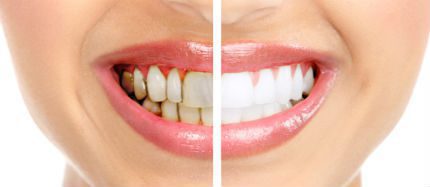
After the cleaning, your dentist will also apply a fluoride treatment to help prevent cavities and gum disease. If you have sensitive teeth, your dentist will recommend a desensitizing toothpaste. If you have braces, your dentist may suggest a special toothpaste to help keep them clean and free of build-up. If you have crowns, dentures or other dental work, your dentist may recommend a special cleaning solution.
You’ll know what type of dental work you need
Some people wait until they have a serious dental problem before they visit their dentist. Other people visit the dentist regularly and receive preventative treatments, such as teeth cleanings, fluoride treatments and sealants. But many people do not know when to get each type of treatment. Teeth cleanings remove plaque and debris from your teeth and prevent gum disease.
Brushing your teeth daily with a fluoride toothpaste is also a great way to prevent cavities. Unfortunately, neither of these treatments can repair early dental damage. Sealants and fluoride treatments prevent cavities, but they don’t repair them. If you have early signs of decay, such as tooth sensitivity or slight discoloration, you may need to visit the dentist for a filling or other dental treatment.
How often should you visit dentist?
Answer = Regardless of how you feel about your overall oral health, it is important to see a dentist regularly. A reasonable goal is to visit the dentist at least once a year for an oral health checkup, although some evidence suggests that those at a low risk for disease may extend to 18-24 months.

How often should you have dentist check ups?
Answer = The number will vary for different people, but usually we recommend having a dental check up every six months. If you are suffering from dental problems or have poor oral health, your dentist may recommend you visit as often as every three months for a check up. Healthy teeth are important for overall health.
Conclusion
Regular dentist visits are an important part of maintaining healthy teeth and gums. While many people have a dental checkup approximately every six months, the ideal schedule depends on individual oral health needs. Patients with cavities, gum disease, orthodontic treatment, or other risk factors may need more frequent appointments.
Good dental care does not stop at the dental clinic. Brushing twice daily, cleaning between your teeth, maintaining a healthy diet, and following your dentist’s recommendations can help keep your mouth healthy between appointments. Staying consistent with professional check-ups also makes it easier to detect and treat dental problems early.
Book Your Consultation
If it has been a long time since your last dental checkup, now is a good time to schedule an examination. At Royal Dental Clinics, our experienced dental team provides comprehensive dental examinations, preventive care, professional cleaning, and personalised treatment recommendations. Book your consultation today to maintain your oral health and address potential dental problems early.
Frequently Asked Questions
How frequently should you visit the dentist?
Many people benefit from visiting the dentist every six months, but the ideal frequency depends on your oral health, risk factors, age, and dental history.
Is a dental checkup necessary if I have no pain?
Yes. Some cavities and gum problems may not cause symptoms during their early stages. Regular dental checkups can help identify these problems before they become more serious.
How often should I get a dental cleaning?
The frequency varies depending on your oral health. Your dentist can recommend an appropriate cleaning schedule based on plaque buildup, gum health, and your individual risk factors.
Do children need regular dentist visits?
Yes. Regular dental visits help monitor children’s developing teeth, prevent cavities, and establish healthy oral hygiene habits from an early age.
Can I visit the dentist only when I have a problem?
It is better not to wait until you experience pain. Preventive dental care and regular examinations can help identify problems earlier and may reduce the need for more complex treatment.