
Oral Cancer Found by Dentists during routine dental examinations can significantly improve the chances of early diagnosis and successful treatment. Many cases of oral cancer develop without causing pain or noticeable symptoms in the early stages, making regular dental check-ups extremely important. During a comprehensive oral examination, dentists evaluate the lips, tongue, cheeks, gums, palate, floor of the mouth, and other oral tissues for abnormalities that may require further investigation. Understanding how oral cancer is detected can encourage patients to seek timely dental care and protect their long-term health.
Who Is This Article For?
- Adults concerned about oral cancer
- Tobacco and alcohol users
- Patients with persistent mouth ulcers or oral lesions
- Individuals attending routine dental check-ups
- Anyone interested in protecting their oral health through early detection
What is oral cancer?
Oral cancer is a disease that starts in the tissues of the mouth and throat. There are two main types of oral cancers: Squamous cell carcinoma, which accounts for about 80% of oral cancers, and basal cell carcinoma (the other 20%). Typically, squamous cell carcinoma affects the base of the tongue or the floor of the mouth, while basal cell carcinoma affects the gums.
Those who smoke, chew tobacco, and drink excessive amounts of alcohol have higher incidences of oral cancer. Other risk factors include HPV infection, sun damage, a weakened immune system, a history of radiation therapy, vitamin A deficiency, and certain genetic syndromes.
Risk factors
Poor Diet: Eating foods high in sugar and low in nutrients can leave you deficient in key vitamins and minerals that keep your immune system healthy and your risk of cancer low.
UV Light Exposure: When you spend too much time in the sun, you increase your risk for certain types of skin cancer as well as oral cancer. Wearing a wide-brimmed hat, sunscreen, and/or other protective gear is essential when spending any amount of time outdoors.
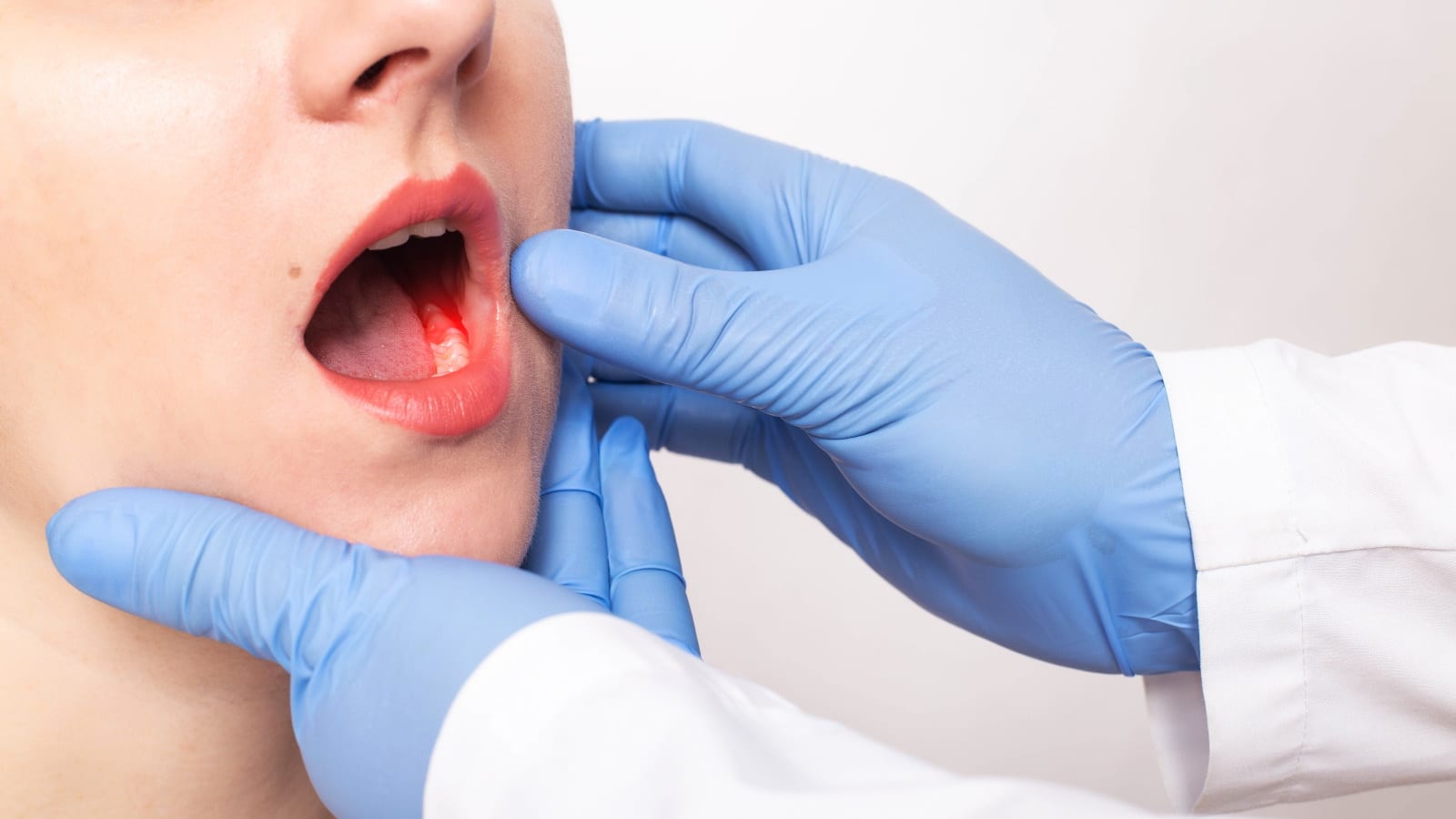


Tobacco Use: Smoking and chewing tobacco can lead to all kinds of serious health problems, oral cancer included.
History of Radiation Therapy: People who have received radiation therapy have a higher risk of developing oral cancer.
Vitamin A Deficiency: Vitamin A is essential for overall health and a strong immune system, meaning a deficiency can leave you more susceptible to disease.
Certain Genetic Syndromes: Like many other types of cancer, some genetic disorders significantly increase the risk of oral cancer.
Symptoms of oral cancer
Increased Moisture or Redness in Mouth. A persistent feeling of dryness in your mouth is pretty common, especially as you age. However, if you notice that your saliva glands aren’t working as well and your mouth is consistently.
Changes in Your Gums: Red, swollen, or bleeding gums can be symptoms of periodontal (gum) disease. But it can also be a sign of oral cancer. Visit your dentist to know if it’s ulcer or cancer.
Sores on Your Mouth: When you have a sore in your mouth, it’s important to pay attention to what caused it. A sore that doesn’t heal after a few days, or that comes back after it’s been treated, could be more than a nuisance.
Swollen Lymph Nodes in Your Neck. Swollen lymph nodes, especially in your neck, can be a sign of many different diseases. However, it’s important to get them checked out by your doctor just to be sure.
Tips for oral cancer prevention
The best way to prevent oral cancer is to keep your mouth healthy. The American Dental Association recommends practicing good oral hygiene, brushing your teeth twice a day for two minutes, flossing once a day, and getting regular dental check-ups.
It’s also important to avoid habits that can harm your teeth or increase your risk of gum disease, like smoking and excessive alcohol consumption. If you are at risk for oral cancer due to lifestyle choices or genetics, you may want to consider taking a supplement that provides vitamin A.
Conclusion
Although performing regular self-examinations can help you become familiar with your mouth, they should never replace professional oral cancer screening. Maintaining routine dental visits, avoiding tobacco products, limiting excessive alcohol consumption, and seeking prompt evaluation for any persistent oral changes are important steps in protecting your oral health. Early diagnosis remains one of the most effective ways to improve treatment outcomes and preserve long-term well-being.
Book Your Consultation
Routine oral examinations are an essential part of preventive dental care. At Royal Dental Clinics, our experienced dental professionals perform comprehensive oral health assessments and oral cancer screenings to identify suspicious changes at the earliest possible stage. Whether you have a persistent mouth ulcer, unusual patch, swelling, or simply wish to include oral cancer screening as part of your regular dental check-up, our team is here to provide expert evaluation and personalised care. Book your consultation today to protect your oral health through early detection and timely treatment.
Frequently Asked Questions
Can oral cancer be found by dentists during a routine dental check-up?
Yes. Dentists routinely examine the lips, tongue, cheeks, gums, palate, floor of the mouth, and other oral tissues for abnormalities that may indicate oral cancer or other conditions requiring further evaluation.
What signs of oral cancer do dentists look for?
Dentists look for persistent mouth ulcers, white or red patches, unexplained lumps, thickened tissue, swelling, unusual bleeding, and changes that do not heal within two weeks.
How often should I have an oral cancer screening?
Oral cancer screening is often performed during routine dental examinations. The frequency of your dental visits depends on your oral health, risk factors, and your dentist’s recommendations.
Can oral cancer develop without pain?
Yes. Many early oral cancers cause little or no pain, which is why regular professional examinations are important even if you feel well.
Who is at greater risk of developing oral cancer?
People who use tobacco products, consume excessive alcohol, have certain HPV infections, or have a previous history of oral cancer may have a higher risk and should attend regular dental examinations.
Suggested Article –
Medical Disclaimer
This article is for patient education only. Dental treatment should be planned after clinical examination, medical history review, and X-rays or scans where required. Treatment suitability, cost, timeline, healing, and results vary from patient to patient.