
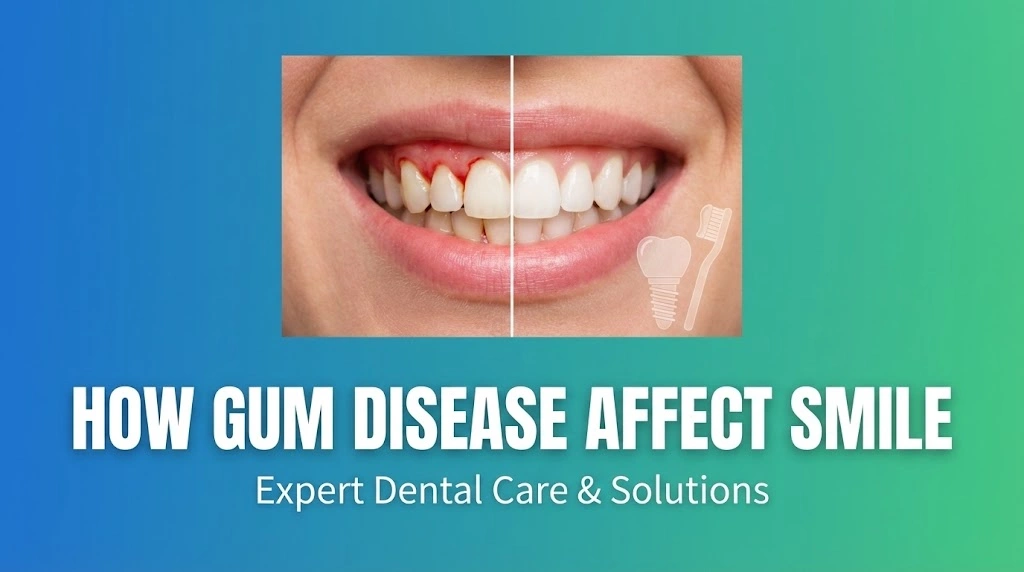
Cosmetic Dentistry for Receding Gums offers several treatment options to improve the appearance of teeth affected by gum recession, but cosmetic treatment should only be considered after the underlying cause has been properly managed. Gum recession exposes more of the tooth root and may lead to sensitivity, aesthetic concerns, and an increased risk of decay. Depending on the severity of the condition, treatment may include periodontal therapy, gum grafting, gum contouring, composite bonding, or other restorative procedures designed to improve both oral health and smile appearance.
Who Is This Article For?
This article is for patients whose teeth appear longer, whose roots are exposed or sensitive, or who are unhappy with an uneven gum line. It should help them understand that cosmetic improvement is considered only after identifying and controlling the cause of recession. Treatment may involve periodontal care, gum grafting, root-coverage procedures or carefully selected bonding. Remove the incorrect recommendations involving dental sealants, routine antibiotics and the description of gum grafting as gum contouring.
Can Cosmetic Dentistry Fix Receding Gums?
Cosmetic dentistry can improve the appearance of teeth affected by gum recession, but the treatment must be selected according to the cause and severity of the problem. Receding gums occur when the gum margin moves away from the tooth, exposing part of the root and making the tooth look longer. Treatment may involve controlling gum disease, correcting brushing habits, covering the exposed root with gum tissue or using a restorative material in selected cases. Cosmetic improvement should not be attempted without first examining the health of the gums, supporting bone and tooth roots.
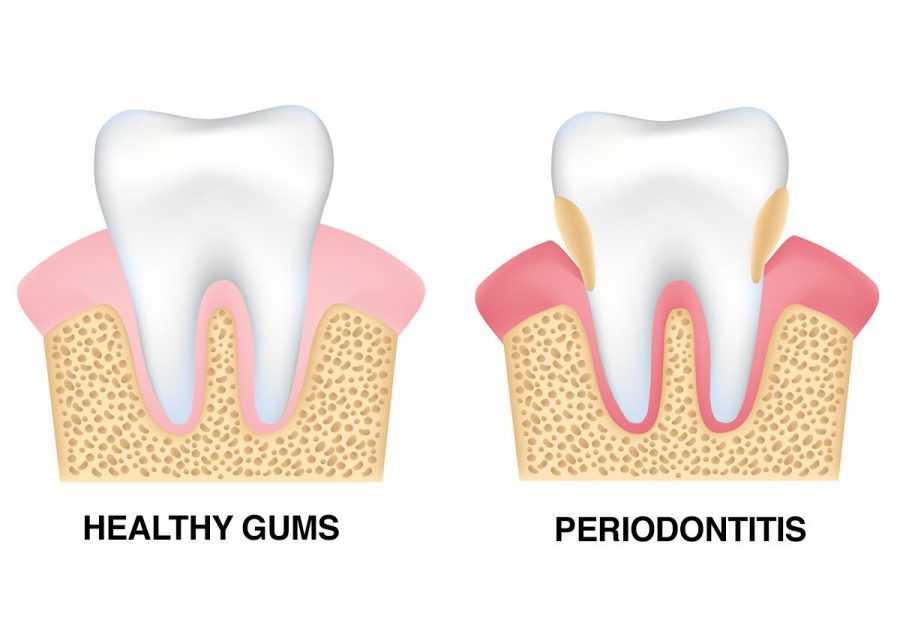
What Causes Receding Gums?
- Periodontal or gum disease
- Brushing too hard
- Thin or delicate gum tissue
- Poorly positioned teeth
- Plaque and tartar accumulation
- Tobacco use
- Repeated trauma around the gum line
- Poorly fitting dental restorations
- Certain orthodontic or bite-related factors
Can Receding Gums Grow Back Naturally?
Lost gum tissue does not normally grow back simply by changing toothpaste or using a mouthwash. Improving brushing technique and plaque control may help stop further damage, but these measures generally do not restore gum tissue that has already receded. When root coverage is required, a dentist or periodontist may recommend a gum graft or another periodontal plastic-surgery procedure. The expected amount of coverage depends on the recession pattern, condition of the surrounding tissue and supporting bone.
Gum Grafting for Receding Gums
Gum grafting is one of the main procedures used to cover an exposed tooth root. During treatment, gum tissue may be taken from the palate or obtained from another suitable source and positioned over the affected area. Gum graft surgery can be performed around one tooth or several teeth. Complete root coverage cannot be guaranteed in every case, particularly when recession is accompanied by significant loss of bone or gum tissue between the teeth. A gum graft may help:
- Cover part or all of an exposed root
- Improve the appearance of teeth that look unusually long
- Reduce root sensitivity
- Protect vulnerable root surfaces
- Increase the thickness of delicate gum tissue
- Reduce the risk of further recession in selected cases
Can Composite Bonding Hide Gum Recession?
Tooth-coloured composite bonding may sometimes be used to cover an exposed root surface or a worn area near the gum line. It may improve the shape of the tooth, reduce sensitivity and make the exposed area less noticeable. However, bonding does not replace the missing gum tissue or treat active gum disease. The restoration may require future polishing, repair or replacement, and the edge must be designed so that the area remains easy to clean.
Bonding is generally more suitable when there is associated root wear, sensitivity or a non-carious cervical defect. In some cases, a combination of periodontal treatment and restorative bonding provides a better result than either treatment alone.
Is Gum Contouring Used for Receding Gums?
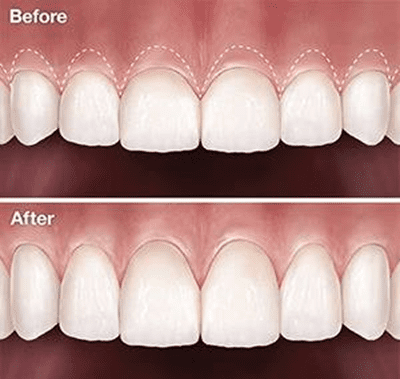
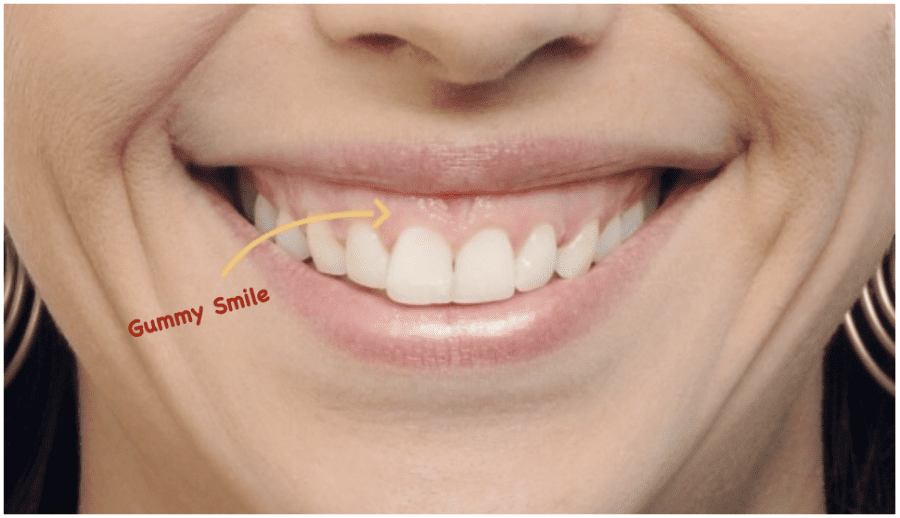
Gum contouring is mainly used to reshape excessive or uneven gum tissue, such as in selected patients with a gummy smile. It usually involves removing or reshaping tissue. Because gum recession already involves loss or displacement of the gum margin, routine gum contouring is not generally used to rebuild the missing tissue. Removing more gum could make an exposed root appear longer. For receding gums, root-coverage procedures and gum grafting are more relevant than simple gum contouring.
Treat Gum Disease Before Cosmetic Correction
If recession is associated with periodontal disease, the infection and inflammation must be controlled before cosmetic treatment is planned. Treatment may include professional cleaning, improved plaque control, management of risk factors and, when necessary, periodontal therapy. Placing bonding, veneers or crowns without controlling active gum disease can make cleaning more difficult and may compromise the result. Stable gum health provides a more predictable foundation for cosmetic and restorative dentistry.
Can Veneers or Crowns Correct Receding Gums?
Veneers and crowns can change the colour and shape of teeth, but they do not regenerate missing gum tissue. They should not automatically be recommended simply because a tooth appears long. A veneer or crown may be considered when the tooth also has extensive discolouration, fracture, wear or an existing large restoration. Preparing an otherwise healthy tooth solely to disguise gum recession may remove unnecessary natural tooth structure. Conservative options such as gum treatment, desensitising care, grafting or limited bonding should be evaluated first.
How Is the Right Treatment Selected?
- The amount and location of recession
- Gum thickness
- Gum inflammation and bleeding
- Periodontal pocket depths
- Supporting bone levels
- Tooth position
- Brushing habits
- Root sensitivity or decay
- Previous orthodontic treatment
- Smoking and medical risk factors
Can Further Gum Recession Be Prevented?
- Using a soft-bristled toothbrush
- Avoiding aggressive horizontal brushing
- Cleaning between the teeth regularly
- Receiving treatment for gum disease
- Stopping tobacco use
- Correcting irritating restorations
- Attending periodontal maintenance appointments
- Managing diabetes and other relevant risk factors
Conclusion
Cosmetic dentistry can improve the appearance of receding gums, but there is no single treatment suitable for every patient. Gum grafting may cover exposed roots and rebuild the gum line, while composite bonding may camouflage selected root defects or reduce sensitivity. The first priority is to identify and control the cause of recession. Cosmetic correction should be planned only after the gums, teeth and supporting bone have been properly assessed.
Frequently Asked Questions
Can cosmetic dentistry fix receding gums?
Cosmetic dentistry can improve the appearance of teeth affected by gum recession, but the underlying cause must first be treated. Depending on the severity of the condition, gum grafting, composite bonding, veneers, or gum contouring may be recommended.
Is gum grafting considered cosmetic dentistry?
Gum grafting is primarily a periodontal procedure performed to restore lost gum tissue, reduce sensitivity, and protect tooth roots. It may also improve the appearance of the smile.
What causes gums to recede?
Common causes include periodontal disease, aggressive brushing, genetics, ageing, teeth grinding, orthodontic treatment, tobacco use, and trauma to the gums.
Can receding gums grow back naturally?
No. Once gum tissue has receded, it generally does not grow back on its own. Professional periodontal treatment may be required to restore lost gum tissue in suitable cases.
When should I see a dentist for receding gums?
You should schedule a dental examination if you notice exposed tooth roots, gum sensitivity, bleeding gums, loose teeth, or visible changes in your gum line, as early treatment can help prevent further progression.