What comes after dental residency? Completing a dental residency is an important milestone, but it is only the beginning of a dentist’s professional career. Residency provides valuable clinical experience, helping dentists develop the skills and confidence needed to manage a wide range of dental conditions. After residency, many dentists choose to work in private practice or hospitals, while others pursue fellowships, advanced certifications, or specialised training to expand their expertise. Career progression depends on individual interests, qualifications, licensing requirements, and long-term professional goals.
Who Is This Article For?
This article is helpful for:
- Dental students
- Recent dental graduates
- Dentists completing their residency
- Professionals considering dental specialisation
- Anyone interested in a career in dentistry
Dental Residency: The Good, the Bad and the Ugly
On the positive side, you’ll learn an incredible amount, and you’ll be in a position to impact the health of many people, perhaps even those you’ll never treat. You’ll also gain access to the latest technology and techniques, which could help you provide the best possible care, either as a dentist or in a specialty of your own.
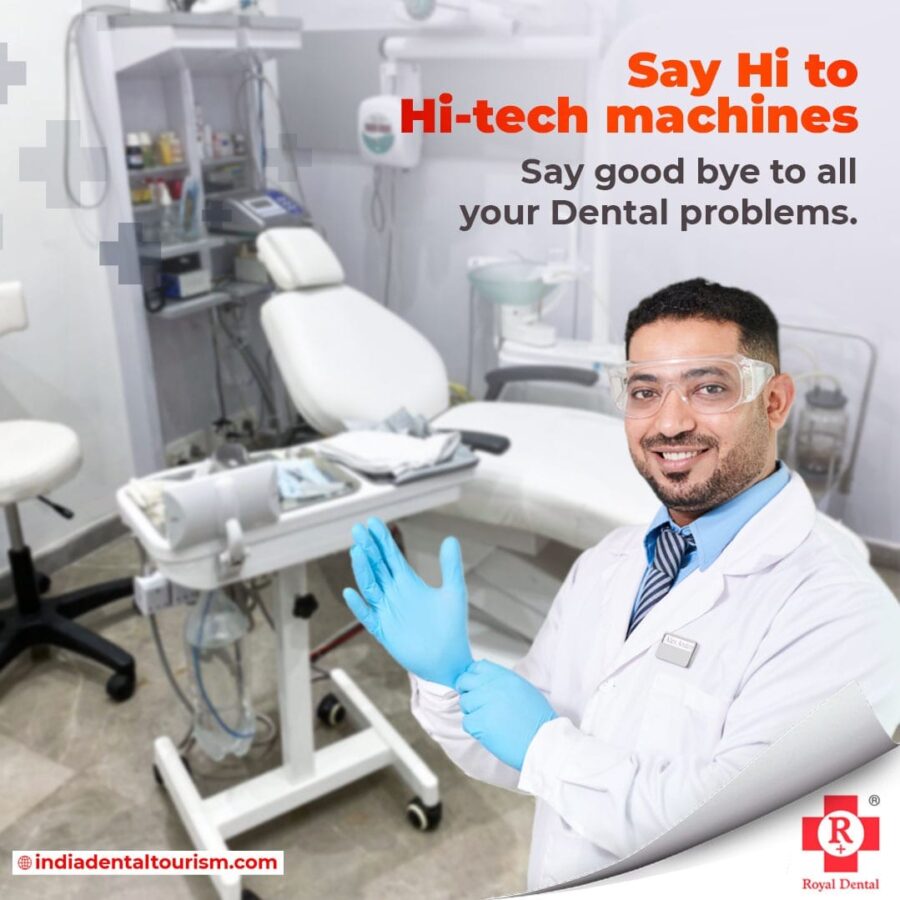
As a dental resident, you’ll see a lot of changes. Some are good and some are bad. Medical residency will also be a time for change, but for you it’s a time of transition as well as growth. And you’ll have the opportunity to make a positive impact, whether you choose to specialise in primary care or choose to focus on a specialty. So yes, even one day dental treatment is possible after residency with few years of experience.
Dental Residency: What’s Next?
Without going into too much detail about dental residencies, let’s outline the next big steps for you. Your clinical rotations will continue and you’ll probably be practicing part-time. You’ll meet your preceptor and start shadowing. You’ll even have the opportunity to get some hands-on experience with a practice while you’re still in school.
The real challenge of dental residency will come when you get the call to join your chosen specialty. You’ll be expected to take your clinical skills to a new level, to focus on a particular area of expertise and to set out on your own. At this point, you’ll need to decide whether to remain in a specialty or to move into private practice. For example; as a dentist can you do one day dental treatment after residency?
Some of the opportunities for a Dental Residency?
- You get to see a lot of patients during your dental residency, and you’ll have a chance to see a lot of patients in the field, too. You’ll have the chance to learn from your experiences, and from those of your peers and mentors, and you’ll be able to use that knowledge to improve your approach to patient care.
- Dentist’s will make connections within the specialty you choose, which could open doors for you later on, both within your specialty and outside of it. You’ll also get to know many of your fellow residents better and develop relationships that will last a lifetime.

- As a dentist you would be exposed to the latest in technology, which could allow you to stay ahead of the competition. You’ll also have the opportunity to travel, which is a great way to experience new areas and meet new people.
- You’ll have the chance to get certified in some areas, giving you an added edge in your field. You could also earn certifications in areas that you might be interested in pursuing after dental residency is over.
Tough Challenges ahead for Dentists in Training
- You’ll have to focus even more than before. That’s because you’ll need to become an expert in just one area and to do so quickly. Success will rely on your ability to make tough calls, to think critically and to manage your time. You’ll also need to be ready for constant change and to find opportunities to be entrepreneurial.
- There’s a lot of competition in the dental field. You’ll have to be prepared to face it head on, to answer the questions your peers ask and to face the challenges and opportunities that come with being a dental professional.
- There’s no guarantee that you’ll be able to find a job when you graduate. You’ll have to navigate this uncertain path while also preparing to get established in a specialty of your own.
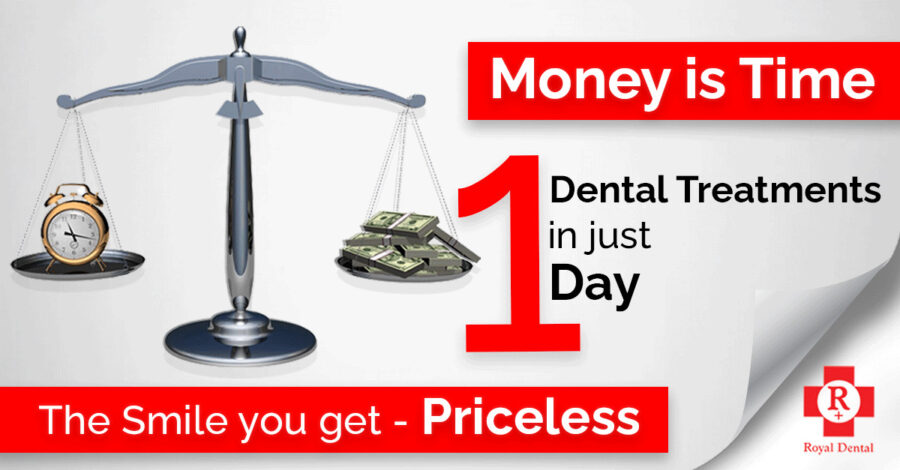
Road to becoming a Professional will be long but rewarding
- You’ll need to complete your dental residency, which could take anywhere from two to five years. You’ll need to complete your residency while establishing yourself in dental practice, and it could be difficult to find time to balance it all with your current job or graduate studies.
- Dentist will have to decide whether to specialize during your phase of dental residency or after you’ve completed your residency. You’ll have to decide whether you want to stay in a specialty, enter private practice or move into government service.
- You’ll have to decide whether you want to continue on with dental residency after you’ve completed your residency. You could choose to do some postgraduate training, but you’ll also have to decide whether you’re ready to move on. For example; as a dentist can you do one day dental treatment after residency?
Conclusion
What comes after dental residency? Completing residency marks the transition from supervised clinical training to independent professional practice. It opens the door to a wide range of career opportunities, including private practice, hospital-based dentistry, teaching, research, and advanced specialty training. While residency provides a strong clinical foundation, successful dentists continue to develop their knowledge through continuing education, hands-on experience, and training in emerging technologies and modern treatment techniques.
The journey after dental residency is one of continuous learning and professional growth. Whether your goal is to become a specialist, establish your own practice, or focus on advanced procedures such as dental implants or cosmetic dentistry, building clinical expertise and maintaining high standards of patient care are essential for long-term success. By embracing lifelong learning and staying current with evidence-based dentistry, dentists can deliver safer, more effective treatments while building rewarding and successful careers.
Book a Consultation
Looking for experienced, highly trained dental professionals? At Royal Dental Clinics, our team combines advanced clinical expertise with modern technology to deliver personalised, evidence-based dental care for patients of all ages.
Whether you need preventive care, cosmetic dentistry, dental implants, or complex restorative treatment, we are committed to providing comprehensive care tailored to your needs. Book your consultation today for a detailed dental evaluation and receive a personalised treatment plan designed to help you achieve a healthy, confident smile.
FAQs
What comes after dental residency?
After dental residency, dentists may join private practices, hospitals, academic institutions, or pursue fellowships and specialised training before establishing their own practice.
Can I open my own dental clinic after residency?
Yes. Depending on your country’s licensing regulations and your professional experience, many dentists choose to establish their own dental practice after completing residency.
Should I pursue a dental fellowship after residency?
A fellowship can provide advanced clinical training, improve expertise in a specific field, and enhance career opportunities, especially for dentists interested in specialised procedures.
Can dentists perform all procedures after residency?
Not necessarily. The procedures a dentist can perform depend on their qualifications, specialty training, licensing regulations, and any additional certifications required in their region.
Is continuing education important after dental residency?
Yes. Continuing professional education helps dentists stay updated with new technologies, treatment techniques, and best practices, ultimately improving patient care.
Suggested Article –
Medical Disclaimer
This article is for patient education only. Dental treatment should be planned after clinical examination, medical history review, and X-rays or scans where required. Treatment suitability, cost, timeline, healing, and results vary from patient to patient.