
Does Japan have good dental care for elders? This is a common question among traveller’s and expats planning to visit or live in Japan. Japan has a reputation for being an expensive country to visit, but there are many ways to manage your travel expenses. If you’re planning a trip and wondering about the cost and quality of dental care in Japan, this guide will help answer your questions. Whether your priority is safety, affordability, or access to modern dental treatment, understanding Japan’s dental healthcare system can help you make an informed decision.
Perhaps your insurance doesn’t cover enough of your trip, or maybe you just want an authentic Japanese experience while you’re there. No matter what your criteria are and how much time you have before your trip, we help you find the right dentist in Japan for you.
Who Is This Article For?
- Travelers visiting Japan
- Expats living in Japan
- Patients comparing dental care options
- Anyone interested in Japan’s healthcare system
Dental Care in Japan: Is it Safe?
When it comes to dental care in Japan, the first question for many people is whether the care is safe. After all, we’ve all seen the headlines about contaminated food or the ongoing nuclear disaster at Fukushima. But the truth is that it’s impossible to make sweeping statements about the safety of dental care in a country as large as Japan. Naturally, it’s best to research dentists in your travel destination before you go.
But if you’ve suddenly been stricken with a dental emergency and need to find immediate treatment, it’s better to go somewhere safe than to hold out for a perfect solution. Your health is more important than being cautious. The best thing you can do to protect yourself is to practice safe dental hygiene, including daily brushing and flossing, and regular dental checkups.
Quality of Dental Care in Japan
The quality of dental care in Japan is generally high. As a wealthy, industrialized country with a strong healthcare system, Japan has excellent dentists, equipment, and expertise. The main barrier to dental care in Japan is language, since English-speaking dentists are rare. Fortunately, most Japanese dentists are used to treating non-Japanese patients, and they’ve learned to communicate in English. While you may have to work a little harder to communicate with your dentist, rest assured that your treatment will be good. In fact, many foreign patients travel to Japan for dental treatment because of the excellent results and relatively low cost.
How much does dental care cost in Japan?
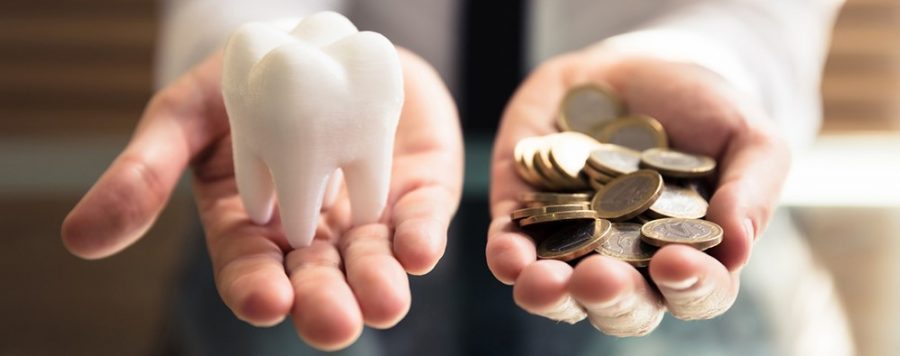
Dental care in Japan is very affordable for most travellers, but it can be hard to predict the exact price of treatment. This is because almost all dental procedures are paid out-of-pocket in Japan, which means that the cost will depend on how much you’re willing to pay. On the bright side, most dental procedures in Japan are significantly cheaper than they are in the United States. For example, a root canal procedure that costs $1,500 in the US will likely cost less than $500 in Japan. And if you’re covered by travel insurance, the amount you have to pay out of pocket should be even less since insurance is usually accepted at the same rate as local payment.
Why Do Older Adults Need Specialised Dental Care?
Older adults may have missing teeth, gum disease, root decay, worn teeth, dry mouth, unstable dentures or difficulty cleaning their mouths independently. Treatment may also be influenced by diabetes, hypertension, heart disease, blood-thinning medicines, reduced mobility and dependence on caregivers.
Geriatric dentistry should therefore focus on more than simply replacing teeth. The treatment should support eating, speaking, comfort, confidence and the patient’s ability to maintain oral hygiene. WHO defines oral health in terms of essential functions such as eating, breathing and speaking, along with comfort and psychosocial well-being.
Dental Care for Travellers to Japan
How do you find a good dentist in Japan? The first thing to do is to look up reviews of dentists in Japan. Online review sites like Yelp and TripAdvisor can be a great source of information, especially if you speak Japanese. The second thing to do is to get in touch with your insurance company. Many insurance policies will cover dental treatment in Japan, but you’ll need to check with your provider first to make sure. And if you don’t have dental insurance, you may be able to find a low-cost dentist through a patient matching site like DentalTour.
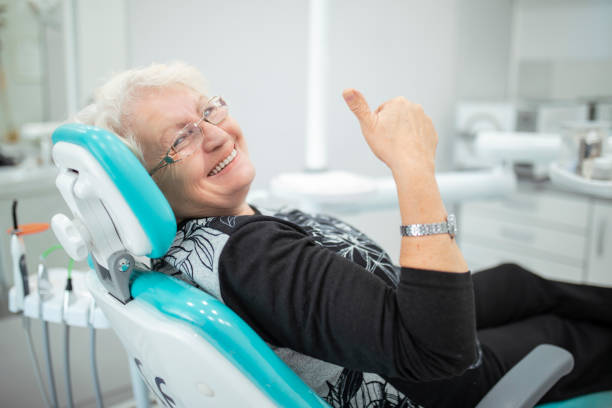
Finally, use your network. If you know Japanese people, ask them if they know of any dentists who do good work. Alternatively, you can ask your hotel concierge or other local contacts if they know of any good dentists who see non-Japanese patients.
Does Japan Have Good Dental Care for Older Adults?
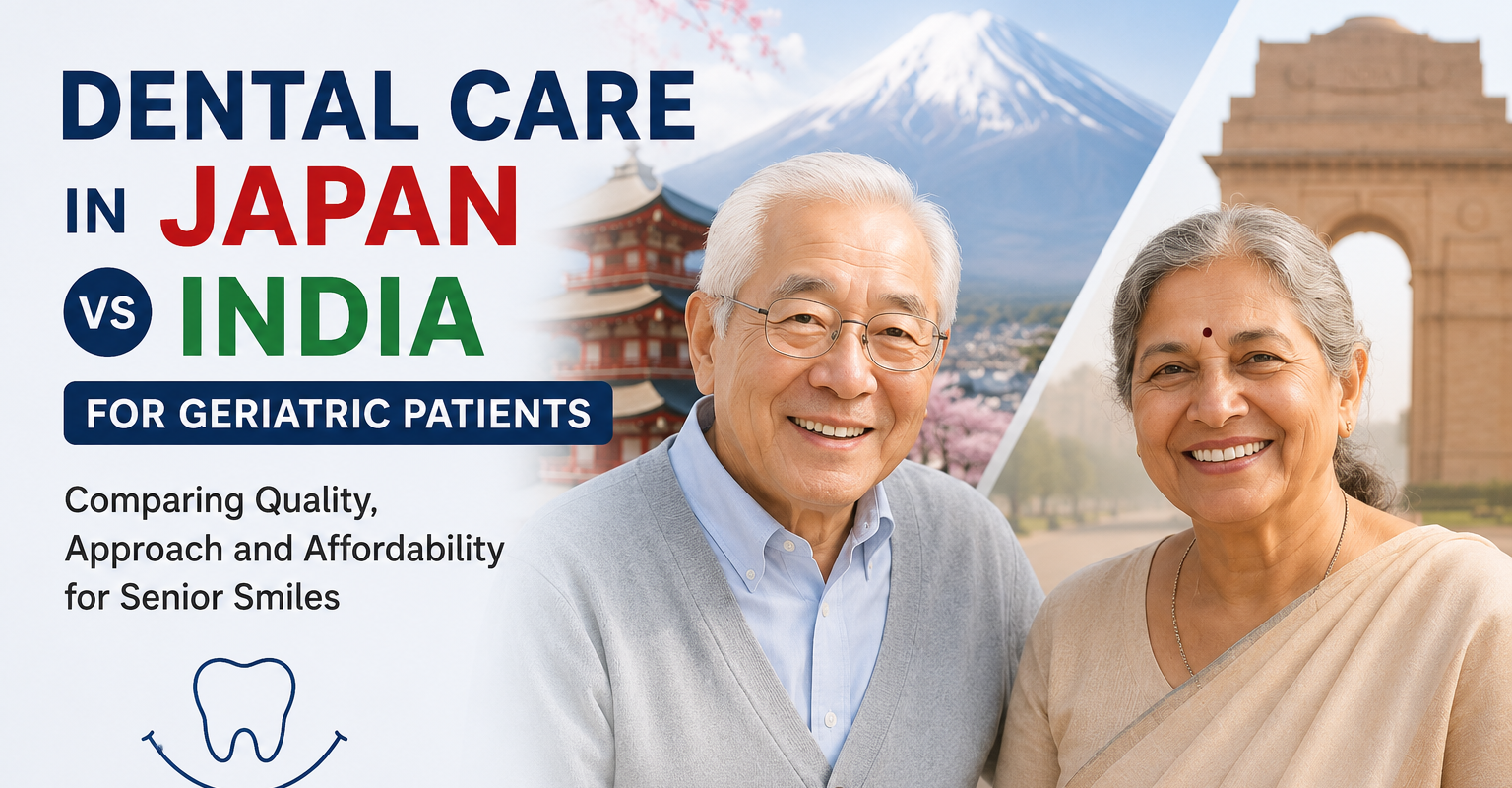
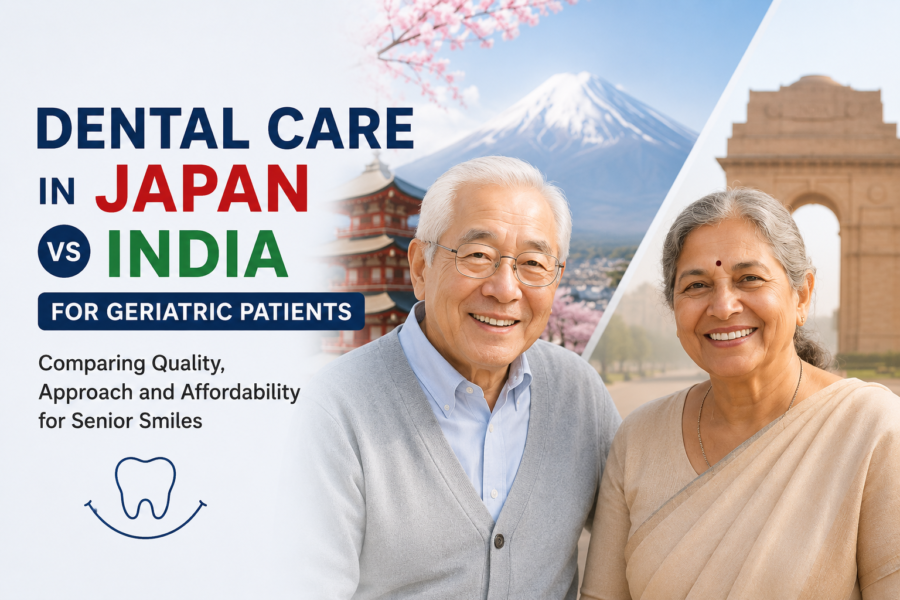
Japan has developed an organised approach to dental care within its public healthcare system, with a strong emphasis on prevention, maintaining natural teeth and supporting oral function in later life. India also offers advanced geriatric dentistry, implant treatment and full-mouth rehabilitation, particularly through well-equipped private dental centres.
One country cannot be described as universally better than the other. Japan’s strengths include structured insurance-based care and continuity, while India may offer greater flexibility in materials, treatment approaches and advanced private rehabilitation. The right choice depends on the older patient’s health, dental condition, mobility, budget and ability to maintain the final treatment.
How Does Dental Care in Japan Differ From India?
Japan provides healthcare through a universal public insurance system, and dental treatment forms part of its regulated healthcare expenditure. Older residents may therefore receive many medically necessary dental procedures through the insured system, although elective materials and treatments outside the approved framework may require additional payment.
India has a combination of government and private dental services. The National Oral Health Programme aims to improve accessible, affordable and comprehensive oral healthcare across age groups. Government support has expanded dental units at district hospitals, community health centres and primary health centres, and a national resource centre has been established specifically for the oral health of children and elderly patients.
Dentures or Dental Implants for Elderly Patients?
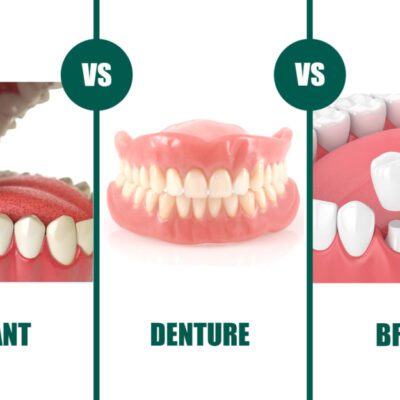
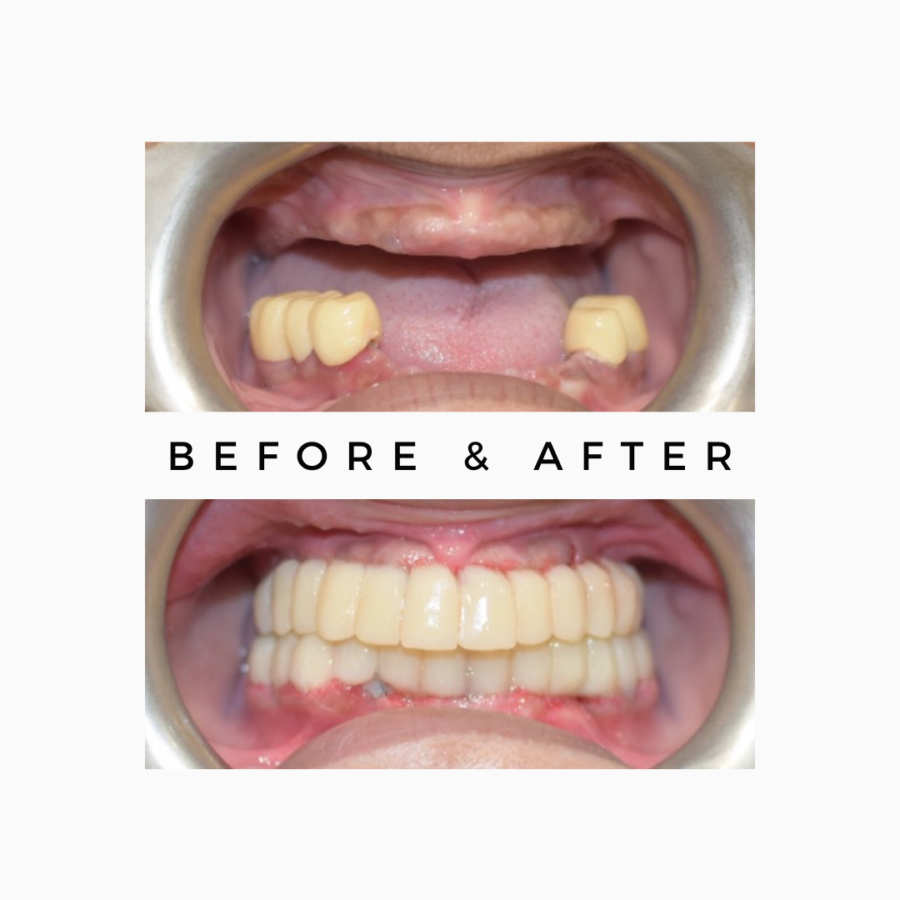
Age alone does not determine whether a patient should receive dentures or dental implants. Conventional dentures may be appropriate when the patient prefers a simpler removable solution, has limited ability to undergo surgery or cannot maintain a complex fixed restoration. Dental implants may improve the stability of a crown, bridge or denture in selected older patients. Suitability depends on medical health, medicines, bone condition, oral hygiene, smoking, bite forces and the patient’s ability to attend follow-up appointments.
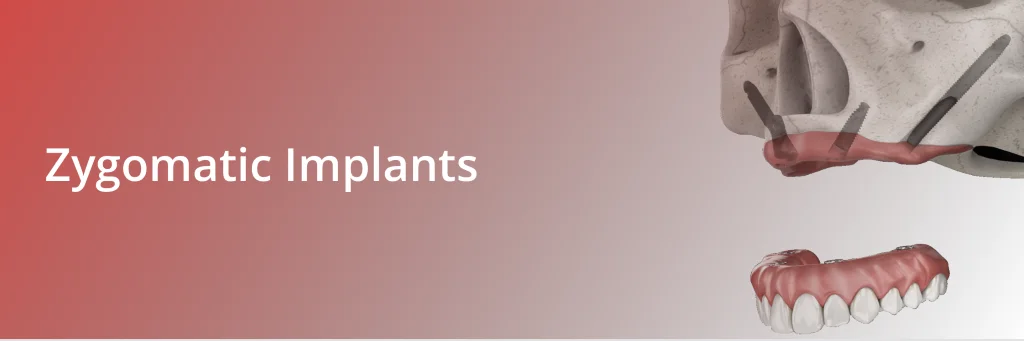
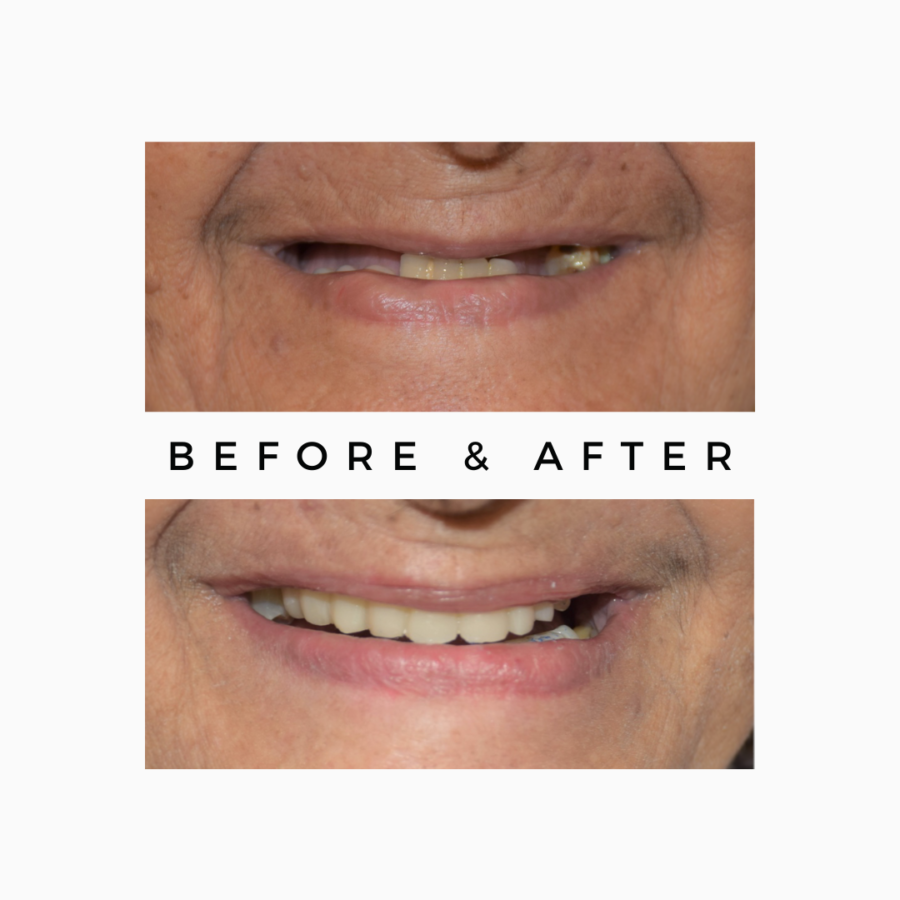
Some patients may receive provisional fixed teeth on the day of implant placement when sufficient implant stability is achieved. However, same-day treatment is not suitable for everyone, and the first bridge may be temporary while healing continues.
What Should a Geriatric-Friendly Dental Clinic Provide?
- Wheelchair accessibility
- Reduced waiting time
- Assistance from caregivers
- Medical-history and medication review
- Shorter or staged appointments where required
- Digital X-rays or CBCT when clinically indicated
- Written treatment and maintenance instructions
- Emergency and follow-up support
- Treatment that the patient can realistically clean and maintain
The most sophisticated option is not automatically the best. A simpler treatment that remains comfortable, functional and maintainable may provide greater long-term value.
| Area | Japan | India |
|---|---|---|
| Healthcare structure | Public insurance-based healthcare with regulated treatment fees | Combination of government and private dental services |
| Preventive approach | Strong emphasis on maintaining natural teeth and oral function | Preventive awareness is expanding, but treatment is often sought after symptoms develop |
| Geriatric accessibility | More organised integration with elderly and community care | Available in selected hospitals and private clinics but varies by location |
| Advanced rehabilitation | Standardised restorative and prosthetic treatment | Private centres may offer implants, digital dentistry and complex full-mouth rehabilitation |
| Treatment flexibility | Some choices depend on approved insurance materials and procedures | Wider private choice of materials and treatment methods |
| Main challenge | Meeting the needs of a rapidly ageing population | Unequal access and variation in affordability and quality |
Conclusion
Japan provides useful lessons in organised prevention, insurance-based dental care and maintaining oral function throughout old age. India offers extensive clinical expertise and access to advanced restorative and implant treatments, especially in major cities. The objective of geriatric dentistry should not be to prove that one country is better. It should be to help every older patient preserve natural teeth where possible, replace missing teeth appropriately and continue eating, speaking and smiling with dignity.
FAQs
Does Japan have better dental care than India?
Japan has a more standardised insurance-based healthcare structure, while India has a large private dental sector offering a broad range of treatments. The quality of care depends more on diagnosis, clinician experience, facilities and follow-up than on the country alone.
Is dental treatment covered by insurance in Japan?
Many medically necessary dental treatments are provided through Japan’s public health-insurance system. Cosmetic procedures, selected materials and treatments outside the approved insurance framework may not be fully covered.
Is tooth loss a normal part of ageing?
Tooth loss becomes more common with age but should not be considered unavoidable. Decay, gum disease, tobacco use, trauma, medical conditions and delayed treatment are important contributing factors.
Can a person above 70 or 80 receive dental implants?
Yes, selected patients above 70 or 80 may receive implants. Age alone is not the deciding factor. General health, medications, bone condition, oral hygiene and maintenance ability must be assessed.
Are dentures better than implants for older adults?
Neither option is universally better. Dentures may be simpler and non-surgical, while implants may provide better stability in suitable patients. The decision should be based on health, anatomy, expectations, maintenance and budget.
What dental problems are common among elderly patients?
Common concerns include missing teeth, root cavities, gum disease, dry mouth, loose dentures, worn teeth, broken crowns and difficulty maintaining oral hygiene.
Can an elderly patient receive fixed teeth in one day?
Some patients may receive provisional fixed teeth on the day implants are placed. This depends on bone quality, implant stability, bite forces and the overall treatment plan. Final teeth may be provided or adjusted after healing.
How frequently should an older patient visit the dentist?
The frequency should be based on individual risk. Patients with gum disease, implants, dentures, diabetes, dry mouth or difficulty cleaning may require more frequent reviews.
Suggested Article –
Medical Disclaimer
This article is for patient education only. Dental treatment should be planned after clinical examination, medical history review, and X-rays or scans where required. Treatment suitability, cost, timeline, healing, and results vary from patient to patient.