
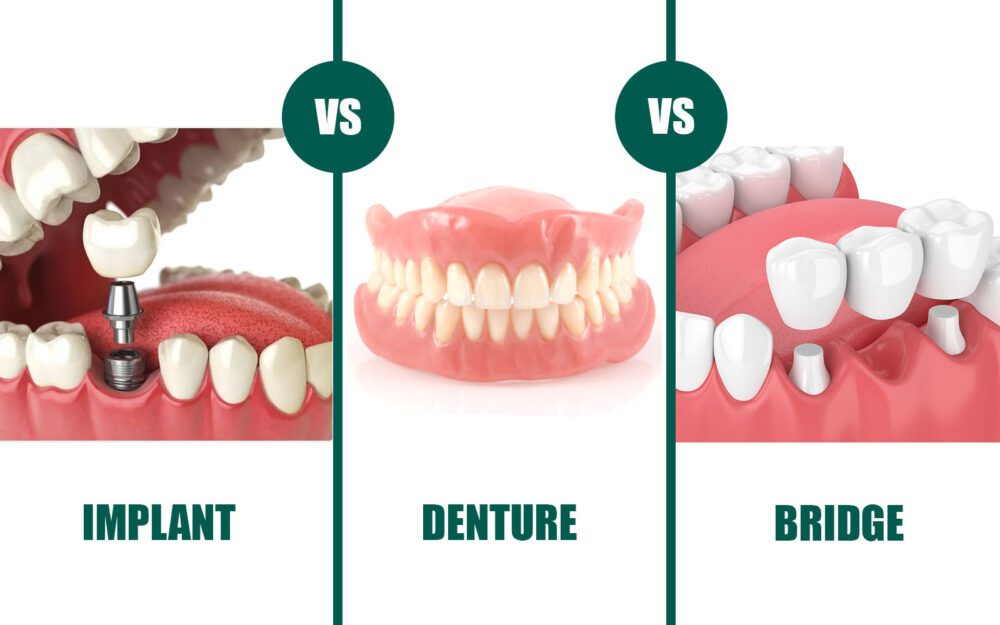
Previously, tooth loss was frequently attributed to age, and dentures were the typical course of action for replacing missing teeth. Those times have changed. Millennials (individuals born from 1981 to 1996) are now changing the world of dentistry and they are definitely choosing Dental Implants Over Dentures. So, why are so many millennials choosing dental implants?
Generation Driven by Technology and Innovation
Millennials are digital natives embracing innovation in every part of their life from smartphones to smart homes. This comfort with new technology also extends to the choices they make regarding their healthcare, including dentistry.
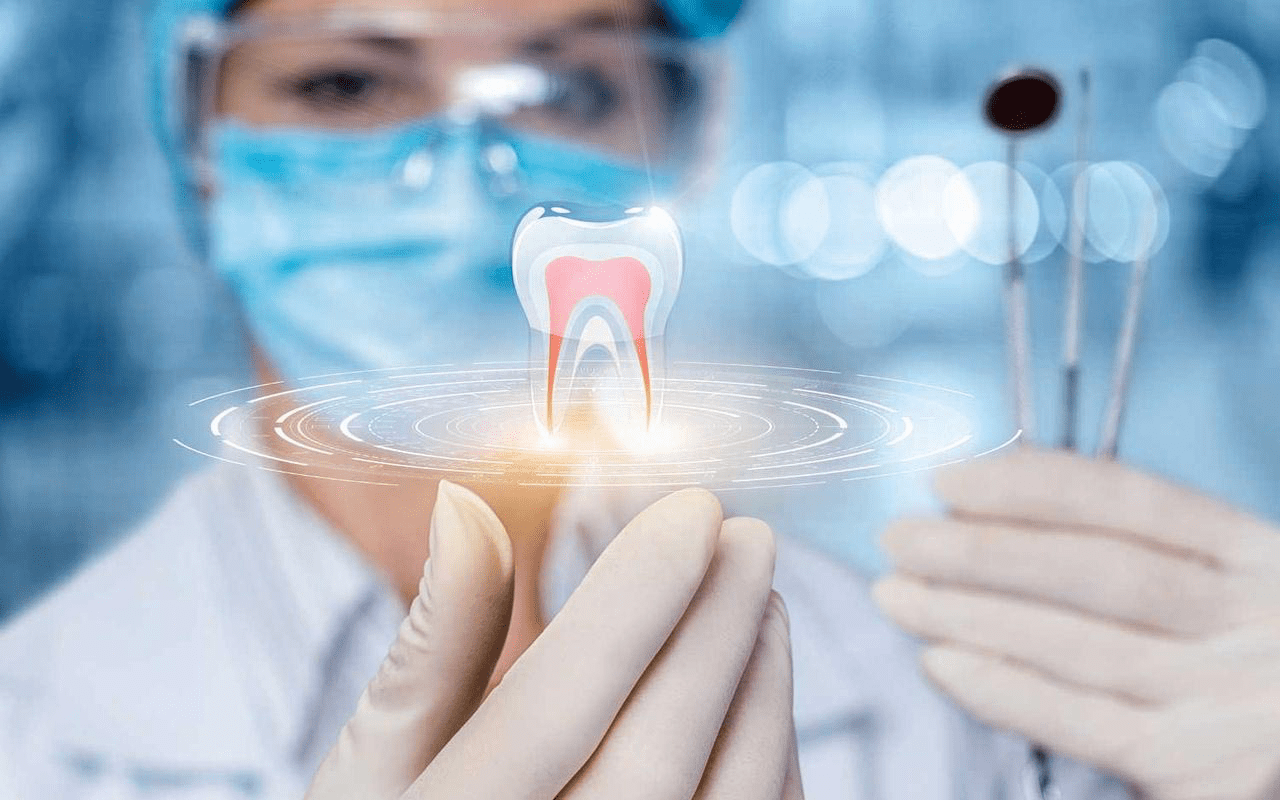
Dental implants are cutting-edge technology in dentistry. A dental implant involves surgically placing a titanium post into the jawbone to secure a crown. They are a more complex reconstruction than removable dentures, and they provide a permanent, natural feeling option.
Millennials typically plan, look to the internet for treatment options, look for reviews, and watch patient testimonials before making a decision. This means they will seek out dental implants and have the foresight to pay a premium for what they see as a better solution, something that is more advanced and lasts.
Aesthetic Expectations and Social Media Influence
This generation cares a lot about images. With selfies, Zoom, and social media sites like Facebook, Instagram, and TikTok, how someone looks has never mattered more. Millennials value confidence and authenticity, and nothing is more damaging to either of those than poorly-fitting dentures that can shift or look strange.
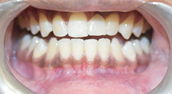
Dental implants provide a very natural, seamless look for the mouth. They feel and look like teeth, so they are indistinguishable from the smile. The idea of taking teeth out at night is not appealing, and dentures are so heavily reliant on adhesives that it is a very scary thought. Implants become a part of the mouth; they are secure, and have little chance of looking ugly.
Long-Term Value and Investment in Health.
Dental implants are meant to last, unlike dentures that often come with adjustments, replacements, and upkeep. Implants can last forever when they are well taken care. Millennials, with student loans and living expenses, see value in spending more initially on something they won’t have to replace within five or ten years.
Basically, they would rather invest once and have a permanent solution than have to keep paying for temporary solutions. Why it matters to them is they would rather have quality over quantity, which leads to things more durable like implants.
Better Oral Health Awareness.
There has been a notable increase in oral health awareness over the last two or three decades, especially among young adults. Millennials grew up using fluoride toothpaste, experiencing orthodontic treatment, and hearing about the importance of preventive dentistry. They have also been more exposed to dental education and care.
With that foundation, when tooth loss occurs (due to trauma, decay, or gum disease), millennials are much more excited about permanent and health-determined solutions. Dental implants preserve jawbone density and prevent sagging of facial features something dentures cannot offer. They are also more likely to be compliant with routine oral hygiene, which promotes the long-term success of implants.
Lifestyle Fit and Convenience: Dental Implants Over Dentures
Millennials are busy people. When they are balancing work, family life and their social life, they do not want to worry about the inconveniences of removing dentures for cleaning or the worrying about dentures slipping during eating or conversation.
Once dental implants are placed and healed, they fit into your lifestyle seamlessly; they feel like your natural teeth and don’t require any special hygiene other than brush and floss. This is one of the major appeals to millennials when it comes to convenience when looking for solutions that work for their active, modern lifestyles rather than the other way around.
Reduced Stigma Around Cosmetic Dentistry.
For generations, cosmetic dental work has been viewed as frivolous or not necessary. Now, a shift towards cultural acceptance of self-improvement and self-care, has allowed millennials to view cosmetic, and medical, dental procedures as part of well-being, confidence, and quality of life. Dental implants are no longer only looked at as medical procedures, they are looked at as a form of self-care and empowerment. Millennials exhibit less stigma and openly discuss dental procedures, thus [conversationally] reducing stigma for others to consider dental implants as an option for the first time.
Access to Financing and Payment Plans
As a reminder, dental implants can be cost prohibitive in comparison to dentures. Many dentists now offer payment plans or financing directly through the office, as well as assistance with insurance companies to consider denture cost vs dental implants. Millennials are more accustomed to budgeting these monthly payments to pay for services, especially with the rise of stream-ing monthly subscription based expenses. They are also willing to balance costs vs value; they recognize that dental implants may be more expensive upfront than dentures, but that value in a healthy mouth is worth the recurring expense of labs and denture wearing.

Increasing Tooth Loss in Millennials.
Surprisingly, despite access to better education regarding oral care, some studies show dentists are seeing an increasing tooth loss burden in millennials. Factors include increased sugar consumption (aka soda pop, energy drinks) increased vaping, bruxism (stress-related tooth grinding), and inconsistent visits to the dentist due to busy schedules or age-related disruptions due to lack of insurance during early adulting.
Which means more and more millennials are needing to explore restorative choices sooner. In consideration of their age, lifestyle, and expectations in aesthetics, dental implants are a smart choice for millennials who lose one or more teeth.
Positive Testimonials and Peer Influence
Millennials consistently rely on friends and other peer recommendations versus traditional advertising. With a rise in dental influencers, YouTube vloggers, and health/fitness accounts on Instagram, dental implant patient journey stories are widely available.
Peer-to-peer endorsement is very persuasive. When someone sees their friend or influencer get implants, and hear their testimony about the life-changing benefits, they are more likely to believe it is a plausible (even preferred) option.
Changing the Narrative Around Aging and Tooth Loss
The generational mind set change might be the most significant shift. Millennials are clearly redefining aging and refusing to consider tooth loss as part of the aging progression. Instead, they are taking action, searching for permanent confidence-providing solutions. Dental implants equate to empowerment, self-care, and modern-day health values, which Millennials exemplify. They’re not just buying teeth; they’re regaining their quality of life.
Conclusion: Dental Implants Over Dentures
Millennials are making a profound transformation in dental restoration decisions. Dental implants are convenient, aesthetically pleasing, functional, and offer long-term value for a generation reliant on technology, personalization, and health. As dental technology continues to thrive and accessibility improves, we anticipate this shift continuing to strengthen. Dentures still have a role to play, particularly for specific cases, as well as, older adults. However, for many millennials, implants certainly are the future- literally and figuratively.