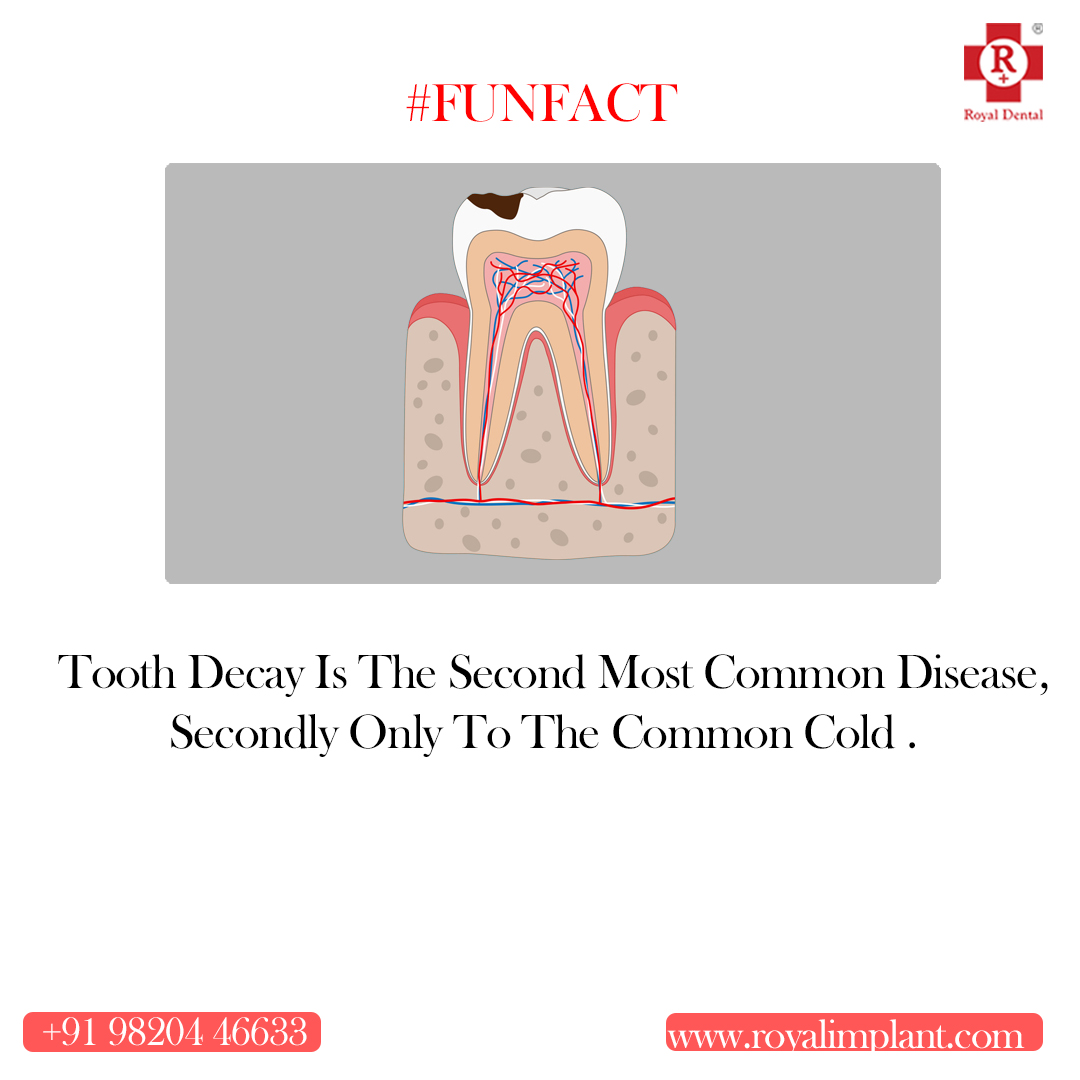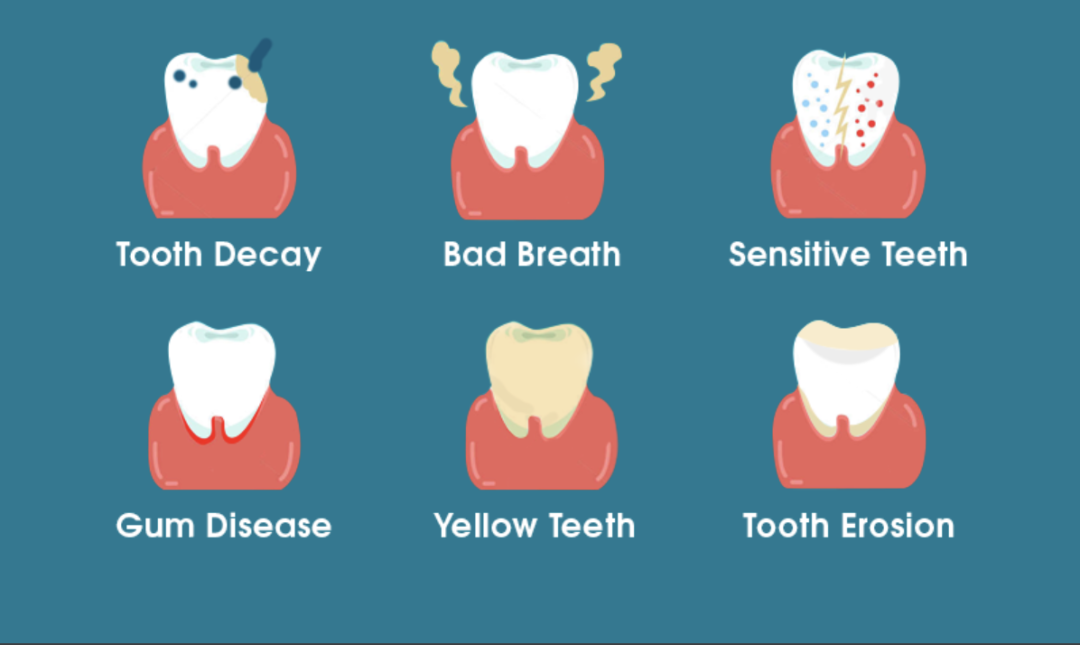
Tooth decay is the most common chronic disease among adults and children. According to the World Health Organization, dental caries (cavities) is the most common non-contagious disease. In fact, the majority of adults have experienced some degree of tooth decay in their lives. There’s no way to completely prevent it from occurring, but there are steps you can take to reduce your risk. To help you understand how tooth decay develops and what actions you should take if you think you’re at risk, here is a breakdown of the five stages of tooth decay and how you can treat each one differently to prevent damage to enamel.
What are the stages of a tooth decay is a common question for patients who want to understand how cavities begin and how tooth decay becomes worse over time. Tooth damage may start with plaque and bacteria releasing acids that weaken enamel, then progress into discolouration, surface cracks, tissue loss, infection, abscess formation, and tooth loss if not treated on time.
Who is This Article For?
This article is for patients who want to understand how tooth decay starts, how it progresses, and when dental treatment may be needed. It is helpful for people who notice tooth discolouration, sensitivity, surface cracks, tooth pain, food lodgement, bad breath, swelling, or signs of cavity formation. The article helps patients understand that tooth decay can move from early enamel changes to dentin damage, infection, abscess formation, and even tooth loss if it is ignored for too long.

What is Tooth Decay?
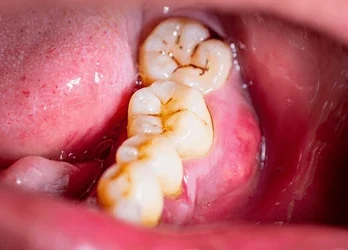
Tooth decay is a process in which bacteria break down the tooth’s surface and create acid that damages tooth enamel, the hard outer layer of your teeth. If tooth enamel is damaged, tooth decay can progress to the tooth’s dentin (the next layer under the enamel), which can eventually lead to tooth loss. The first sign of tooth decay is usually discoloration of the tooth surface. If left untreated, tooth decay can progress from surface damage to loss of tooth structure and lead to serious health problems, including tissue and bone loss, tooth loss, and systemic infections.
Stages of Tooth Decay
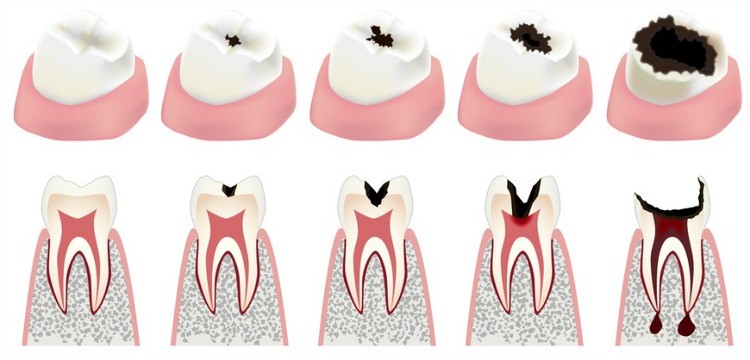
Tooth decay typically starts with the formation of plaque, a sticky film composed of bacteria, sugars, and minerals. Plaque can form on teeth in as little as 20 minutes. When left alone, plaque can harden into tartar and cause cavities. Proper brushing and flossing can remove plague. However, tartar eliminated by a Dentist. If plaque and tartar aren’t removed, they can cause tooth decay by releasing harmful acids that break down tooth enamel, leading to tooth decay. If tooth decay is left untreated, it can progress through five stages:
- Discolouration
- Surface Cracks
- Loss of Tissue
- Infection and Abscess Formation
- Tooth Loss
Root Cause of Tooth Decay
Dental caries, more commonly known as tooth decay, is caused by bacteria that live in your mouth and thrive on sugars found in food and drink. If left untreated, the bacteria will break down the tooth’s surface and create acids that damage tooth enamel, the hard outer layer of your teeth. The first sign of tooth decay is usually discolouration of the tooth surface. If left untreated, tooth decay can progress from surface damage to loss of tooth structure and lead to serious health problems, including tissue and bone loss, tooth loss, and systemic infections.
Stage 1: Discolouration
Discolouration is the first visible sign of tooth decay. It usually occurs on the tooth’s surface and can range from slight to severe. If tooth decay progresses, it can cause the tooth surface to crumble, resulting in a dark appearance as the fragments are absorbed back into the tooth.
Stage 2: Surface Cracks
As tooth decay progresses, it can cause the tooth’s surface to crack. Cracks in the tooth’s is sign that you need a treatment, as they can quickly lead more advanced tooth decay. There are chances that if the tooth’s surface may be cracked and decaying the decay might have reached the tooth’s rot.
Stage 3: Loss of Tissue
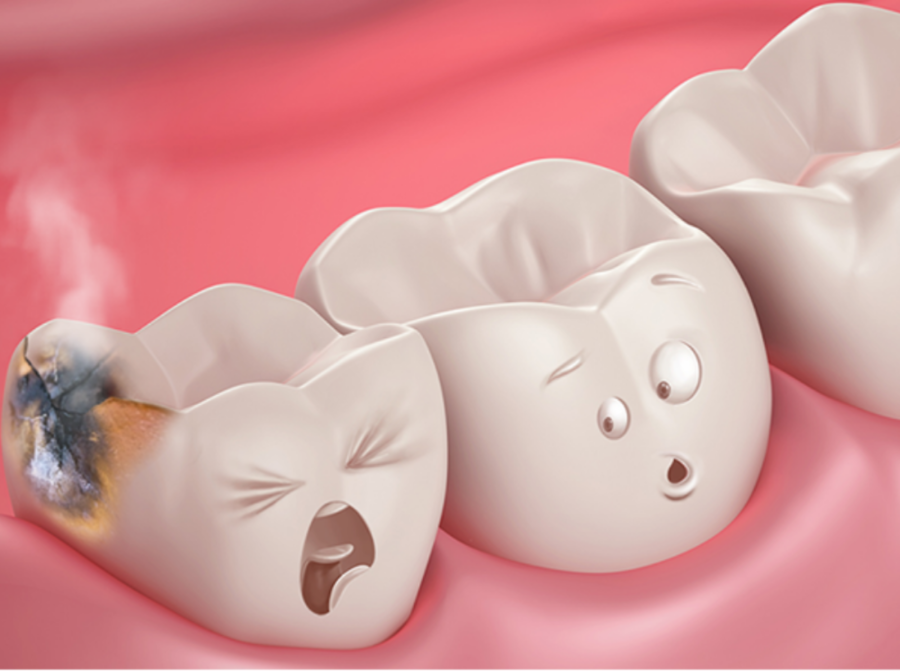
If tooth decay progresses to the tooth’s dentin, it can cause tissue loss. Tooth decay that has progressed to the dentin is considered advanced, and you should seek treatment as soon as possible. This can further complicate by spreading to other teeth. Tissue loss can lead to exposed tooth roots, which increases your risk of infection and may eventually require tooth extraction.
Stage 4: Infection and Abscess Formation
If tooth decay has progressed to the tooth’s root and the surrounding tissue, it can lead to infection. Infection can result in abscess, which is painful and serious infection that can cause the surrounding bone to break down. The infection and resulting pressure can also force the tooth out of its socket, which can lead to tooth loss.
Stage 5: Tooth Loss
tooth decay and tooth decay-related infections aren’t treated, they can lead to tooth loss in the worst cases. If tooth decay is left untreated, it can eventually spread to other teeth, which can further complicate the situation. If left untreated, the bacteria produced by tooth decay can spread to the rest of your body and cause serious health problems, including infections in organs such as the lungs, heart, and kidneys.
Conclusion
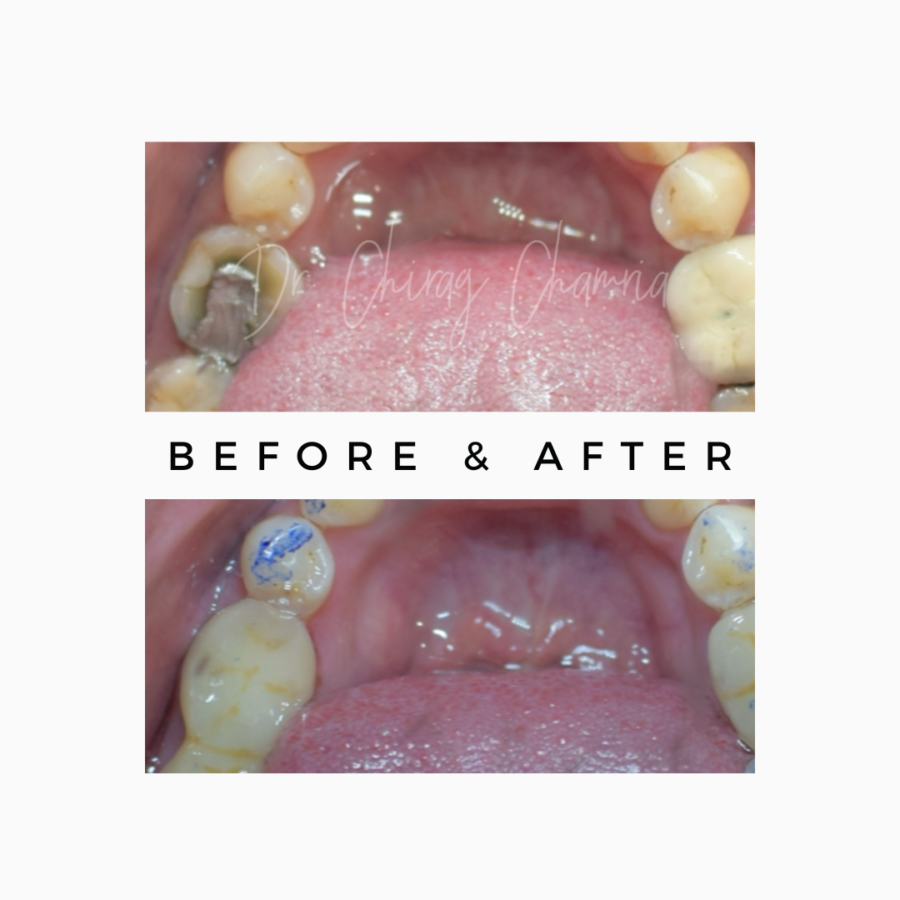
Tooth decay usually progresses in stages, beginning with early surface changes such as discolouration and later moving into cracks, tissue loss, infection, abscess formation, and tooth loss in advanced cases. Early decay may be easier to manage, but once the cavity becomes deeper, treatment may become more complex and may involve fillings, root canal treatment, crowns, extraction, or tooth replacement depending on the condition.
Tooth decay is the most common chronic disease among adults and children. Although treatable its not preventable. If you experience any of the symptoms, it’s important to get treatment as soon as possible to prevent further damage. If left untreated, tooth decay can lead to serious health problems and even tooth loss. That’s why it’s important to practice proper oral hygiene and visit your dentist regularly for checkups.
FAQs
1. What are the stages of tooth decay?
The common stages of tooth decay include discolouration, surface cracks, loss of tooth tissue, infection or abscess formation, and tooth loss. The earlier the decay is detected, the easier it may be to treat.
2. What is the first stage of tooth decay?
The first stage is usually discolouration or white/chalky spots on the tooth surface. This may happen when acids from bacteria begin to weaken the enamel. At this stage, the patient may not feel pain.
3. Can early tooth decay be reversed?
Very early enamel weakness may sometimes be controlled with fluoride, better brushing, flossing, diet control, and professional dental guidance. However, once a cavity or hole forms, dental treatment is usually required.
4. What happens when tooth decay reaches dentin?
When tooth decay reaches dentin, the cavity becomes deeper and sensitivity or pain may increase. At this stage, the tooth may need a filling, crown, or further treatment depending on the depth of decay.
5. Can tooth decay cause infection?
Yes, untreated tooth decay can reach the inner part of the tooth and cause infection. This may lead to severe tooth pain, swelling, pus, bad breath, fever, or abscess formation.
6. Can tooth decay lead to tooth loss?
Yes, advanced tooth decay can weaken the tooth structure and damage the surrounding tissues. If the infection becomes severe or the tooth cannot be saved, extraction and tooth replacement may be required.
7. How can tooth decay be prevented?
Tooth decay risk can be reduced by brushing twice daily, flossing regularly, cleaning the tongue, reducing sugary foods and drinks, drinking enough water, getting professional cleaning, and visiting the dentist regularly.
8. When should I visit a dentist for tooth decay?
You should visit a dentist if you notice tooth sensitivity, brown or black spots, white patches, visible holes, pain while chewing, swelling, pus, bad breath, or food getting stuck repeatedly. Early treatment can help prevent deeper damage.
Medical Disclaimer
This article is for patient education only. Dental treatment should be planned after clinical examination, medical history review, and X-rays or scans where required. Treatment suitability, cost, timeline, healing, and results vary from patient to patient.