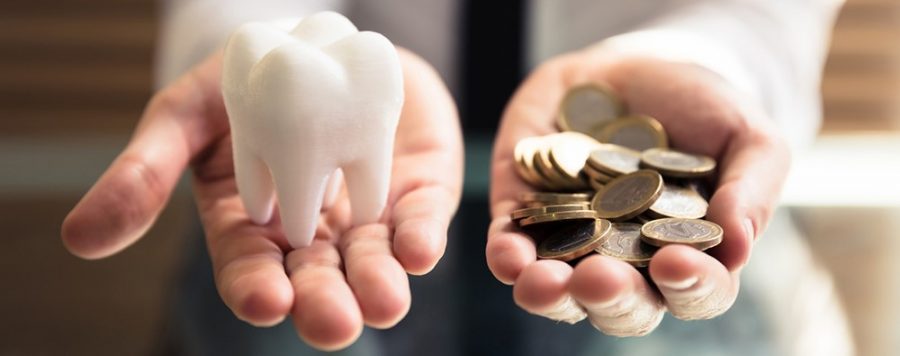
Dental care is an essential part of everyone’s life, but it can be difficult for many people to afford. Everyone needs to see a dentist frequently, and the cost of dental care services is often much more than most people expect. We all know that maintaining a strong and healthy smile requires regular visits to the dentist, routine brushing and flossing, as well as eating healthy foods, but it’s not always easy. Many people struggle with affording dental care due to its high cost. In this article we will explore the reasons why is it so hard to afford dental care in India?
Why is it so hard to afford dental care is a common question for patients and families who worry about the cost of dental check-ups, cleaning, fillings, root canal treatment, crowns, bridges, implants, dentures, or emergency dental care. Dental care may feel expensive because treatment cost depends on the procedure, dental materials, clinic setup, technology, lab work, dentist experience, insurance coverage, and how early the problem is treated.
Who is this Article For?
This article is for patients and families who feel that dental care is expensive or difficult to manage financially. It is helpful for people who are worried about the cost of dental check-ups, cleaning, fillings, root canal treatment, crowns, bridges, implants, dentures, or emergency dental care.
The article helps patients understand that preventive care, regular dental check-ups, proper brushing, flossing, healthy diet, and early diagnosis can reduce the risk of more complex and costly dental problems later.
Why is dental care so expensive?
The main reason why dental care is so expensive is that the supply of dental services does not meet the demand. The supply of dental services is limited relative to the demand. Demand for dental services is high because everyone needs to visit the dentist regularly for a healthy smile. People’s teeth decay and break over time if proper care isn’t taken, and it’s expensive to treat dental problems.

Dental insurance and government programs can help reduce the cost of dental procedures, but many people still find dental work to be unaffordable. The cost of dental services varies based on location and the dental services provided. In general, areas with a higher cost of living have higher dental costs. The price of a dental procedure can vary based on the complexity of the procedure, the dentist’s experience, and the amount of time it takes the dentist to perform the procedure.
What is dental insurance?
Dental insurance is a type of insurance that helps cover the cost of dental procedures. Some dental insurance plans offer low monthly payments, high deductibles, and have subpar coverage. In general, dental insurance plans vary widely in terms of monthly payments, coverage, and deductibles. It’s important to do research before purchasing dental insurance. Dental insurance plans are available through employers, or you can purchase dental insurance through an insurance company. Some of the most common dental insurance plans include: Preferred Provider Organization (PPO), Health Maintenance Organization (HMO), and Indemnity plans.
How much does a dental visit cost?
The cost of a dental visit can vary, but on average it costs around $147. The cost of an average dental visit can vary greatly based on the dentist, the type of dental work performed, and the supplies used. In general, the cost of dental care is more expensive in urban areas than rural areas. The cost of dental care can vary based on the type of dental services needed.

The cost of dental procedures can range from $50 – $10,000+. Some of the basic dental procedures that are often covered by medical insurance, include tooth fillings, extractions, and dental x-rays. More complex procedures like dental implants, bridges, crowns, and root canals. The average cost of a root canal is $1,064, but root canals aren’t always covered by dental insurance.
Tips to reduce Cost: Afford Dental Care in India
Visit the dentist regularly – Visiting the dentist regularly will help prevent dental issues and keep your dental care costs low. One of the most common dental procedures is tooth extraction. If you visit the dentist regularly, you can avoid tooth extractions. Keep smile healthy.
Check if you qualify for dental insurance – Dental insurance can be very helpful if you visit the dentist regularly. Not all types of dental insurance are the same. Some dental insurance plans offer low monthly payments, high deductibles, and have subpar coverage.
Get a dental cleaning without insurance – If you don’t visit the dentist regularly, it’s a good idea to get a dental cleaning and a basic dental exam. The cost of an annual dental cleaning is typically around $75. The cost of an annual dental exam is approximately $69. If you visit the dentist regularly, you won’t need a dental cleaning.
Use an Oral-B electric toothbrush – Many dental professionals recommend using an electric toothbrush. An Oral-B electric toothbrush is one of the best-selling toothbrushes. The Oral-B Pro-Health Deep Clean Toothbrush is recommended by dentists.
Drink less soda – Soda has excessive amounts of sugar, and drinking soda can contribute to tooth decay. This can lead to expensive dental procedures.
Eat healthy food – Healthy food can help prevent tooth decay, and it’s important to maintain a balanced diet.

Conclusion
Dental care can feel difficult to afford because treatment cost may depend on the procedure, clinic location, dentist’s experience, dental materials, technology, lab work, insurance coverage, and complexity of the dental problem. When small concerns such as cavities, gum bleeding, tooth sensitivity, or plaque build-up are delayed, they may turn into larger problems that need more advanced and expensive treatment.
Regular check-ups, professional cleaning, early cavity treatment, gum care, healthy eating habits, and good daily oral hygiene can help protect teeth and reduce long-term dental expenses.
FAQs
1. Why is it so hard to afford dental care?
Dental care may feel difficult to afford because the cost can depend on treatment type, dental materials, dentist experience, clinic setup, location, lab work, technology, and whether the patient has dental insurance. Delayed treatment can also make dental problems more expensive to manage.
2. Why is dental treatment expensive?
Dental treatment may be expensive because some procedures require specialised equipment, high-quality materials, trained dental professionals, sterilisation protocols, X-rays or scans, laboratory support, and multiple appointments depending on the case.
3. Can regular dental check-ups reduce cost?
Yes, regular dental check-ups can help detect cavities, gum disease, plaque build-up, infection, and other concerns early. Treating problems early may reduce the need for more complex treatment such as root canal therapy, crowns, extractions, or implants.
4. Does dental insurance help reduce dental cost?
Dental insurance may help reduce dental cost, but every plan is different. Some plans may cover check-ups, cleaning, fillings, extractions, or selected procedures, while others may have exclusions, waiting periods, deductibles, co-payments, or annual limits.
5. What can I do if I cannot afford major dental treatment?
If major dental treatment feels difficult to afford, speak to the dentist about treatment priority, phased treatment planning, preventive care, available options, and what needs urgent attention first. Avoiding treatment completely may make the problem worse over time.
6. How can I reduce future dental expenses?
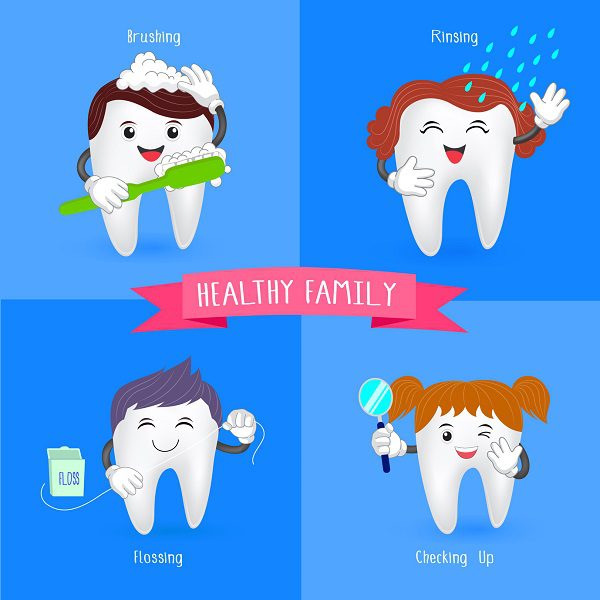
You can reduce future dental expenses by brushing twice daily, flossing regularly, cleaning your tongue, reducing sugary foods and soda, avoiding tobacco, drinking enough water, visiting the dentist regularly, and treating small dental problems early.
7. Which dental problems should not be delayed?
Tooth pain, swelling, pus, bleeding gums, loose teeth, broken teeth, bad breath, sensitivity, difficulty chewing, and mouth ulcers that do not heal should not be delayed. These signs may need dental evaluation before the condition becomes more serious.