In the world of oncology or oral surgery, it’s rare to find a specialty that has so much potential for collaboration in patient care. The team at Royal Dental Clinics recognises the importance of collaboration among specialists and the patients they serve. Oral Surgery, Plastic Surgery, and Maxillofacial Surgery are all crucial to helping oral cancer patients thrive after treatment. Oral Cancer Surgery in India is advancing with latest technology. In this blog post we discuss the synergies between these specialties, what they have in common with each other, and how they came together. Read on to learn more about oral Cancer unique subspecialties working together.
Who Is This Blog For?
This blog on the types of surgery for oral cancer is for patients recently diagnosed with oral cancer who want to understand what treatment might involve. It is especially useful for those confused about the different specialists they may encounter, such as oncology surgeons, plastic surgeons, and maxillofacial surgeons, and how these roles work together. It is also relevant for family members or caregivers trying to understand the reconstruction and healing process after surgery. And for anyone researching oral cancer treatment options, this blog offers a clearer picture of the collaborative surgical approach involved in recovery.
Oral Surgery for Cancer in India
Oncology, simply put, is the study of cancers. As one of the subspecialties of internal medicine, it’s devoted to diagnosing and treating the diseases that cause cancers. Oncology specialists can be trained in various fields, such as radiation oncology, medical oncology, surgical oncology, and others, each of which has its own focus and set of skills. Oncology surgeons are trained in the surgical aspects of cancer treatment, meaning they specialise in the surgeries used to diagnose and treat cancers.

Plastic Surgery: Repairing damage from Cancer
The term “plastic surgery” is a bit misleading, because it actually refers to a diverse range of specialties under the broader field of surgery. This can include removing tumors, repairing wounds, preventing infections, and more.
Maxillofacial Surgery: Reconstruction
A Maxillofacial surgery is another surgical specialty that falls under the larger umbrella of plastic surgery. Oral and Maxillofacial surgeons specialise in the reconstruction of the face and jaws, often after cancer treatment. Maxillofacial surgeons treat more than just cancer patients, but the two are closely related. Maxillofacial surgeons often work closely with oncology surgeons because they share a common goal: helping oral cancer patients heal better.
Collaboration for Oral Cancer Surgery
Oncology surgeons, oncology plastic surgeons, and maxillofacial surgeons all work closely together to ensure their patients receive the best care possible. Oncology surgeons and oncology plastic surgeons work together when removing tumors or other growths, such as an infection.
What Types of Surgery Are Used to Treat Oral Cancer?
The type of oral cancer surgery depends on where the tumour is located, its size and depth, whether the jawbone is involved and whether cancer has spread to lymph nodes in the neck. Treatment may involve surgery alone or surgery combined with radiation therapy, chemotherapy or other oncology treatment.
Wide Local Excision
A wide local excision removes the visible tumour together with a margin of surrounding tissue. The removed tissue is examined by a pathologist to determine whether the surgical margins are free from cancer cells. Smaller tumours may require limited removal, while larger or deeper tumours may require more extensive surgery.
Glossectomy for Tongue Cancer
A glossectomy involves removal of part or, less commonly, most of the tongue. The extent depends on the size and location of the tumour. Reconstruction and speech or swallowing rehabilitation may be required when a substantial portion of the tongue is removed.
Mandibulectomy for Lower-Jaw Involvement
A mandibulectomy is performed when oral cancer involves or is very close to the lower jawbone. A marginal mandibulectomy removes a portion of the jaw while maintaining its continuity. A segmental mandibulectomy removes a full segment of the jaw and usually requires reconstruction to restore facial form and function.
Maxillectomy for Upper-Jaw Involvement
A maxillectomy removes part of the upper jaw when cancer affects the maxilla, upper gums, hard palate or nearby structures. The resulting defect may be restored using reconstructive surgery, a specialised obturator prosthesis or a combination of surgical and prosthetic rehabilitation.
Neck Dissection
Oral cancer can spread to lymph nodes in the neck. A neck dissection removes selected lymph nodes and surrounding tissue when lymph-node treatment is indicated. The extent of neck dissection depends on the tumour site, clinical stage, scans and pathological findings.
Reconstructive Surgery
Reconstruction may be performed during the same operation as tumour removal. Tissue may be transferred from another part of the body to rebuild the tongue, mouth, jaw or facial structures. Reconstructive options can include:
- Local or regional tissue flaps
- Free soft-tissue flaps
- Bone-containing free flaps
- Reconstruction plates
- Dental and facial prosthetic rehabilitation
The aim is not only to close the surgical defect but also to support speech, swallowing, chewing, facial appearance and future dental rehabilitation.
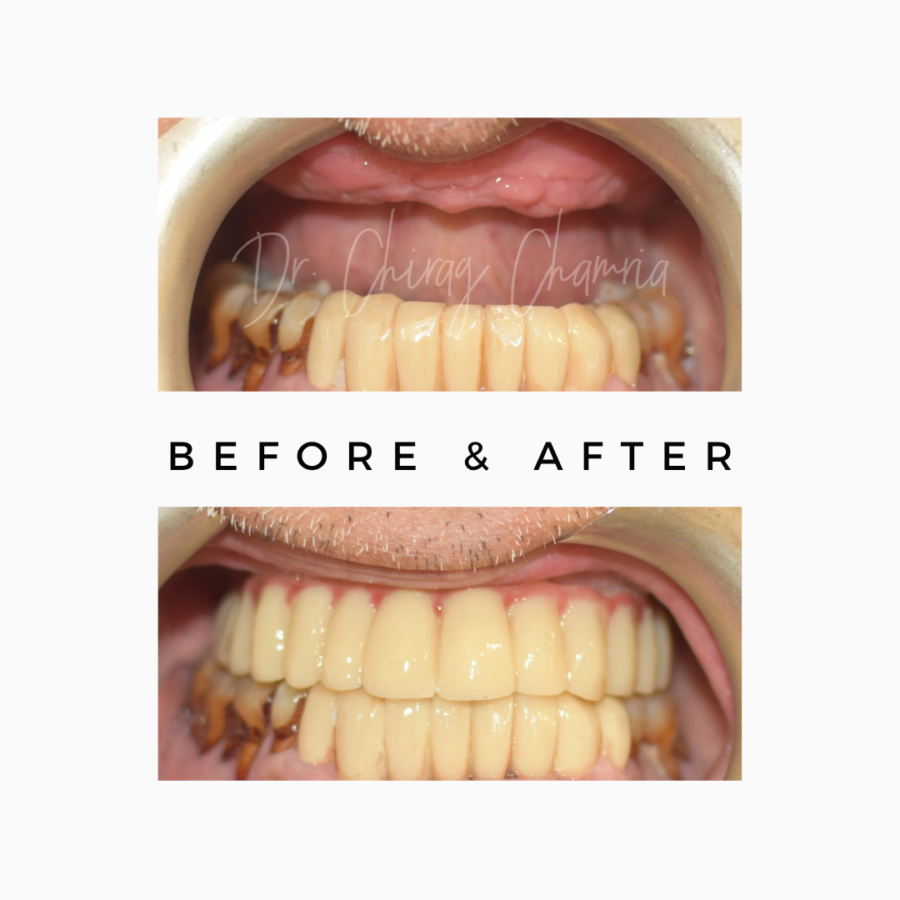
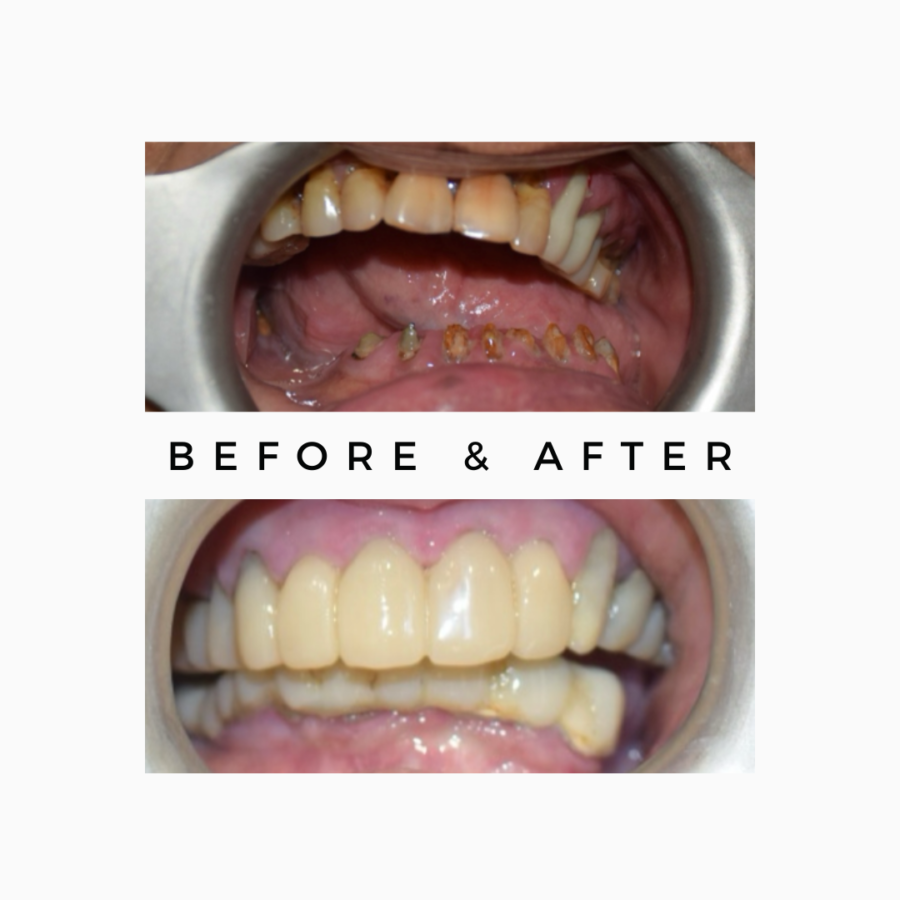
Dental Rehabilitation After Oral Cancer Surgery
Patients may experience missing teeth, altered jaw anatomy, limited mouth opening, dry mouth or difficulty wearing conventional dentures after oral cancer treatment. Dental rehabilitation may involve:
- Specialised removable prostheses
- Fixed or removable implant-supported teeth
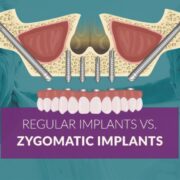
- Pterygoid or zygomatic implants in selected cases
- Jaw reconstruction followed by implant treatment
- Speech, swallowing and dietary rehabilitation
Implants may not be suitable immediately for every patient, particularly where radiation, healing, recurrence risk or limited bone affects treatment planning.
Conclusion
This article has explored the synergies between three different subspecialties in oncology, surgery, and maxillofacial surgery. Oncology surgeons and maxillofacial surgeons also work together when reconstructing facial and jaw bone. This goes to show just how closely these two subspecialties are related and how they’re working together to improve patient care.
FAQs
Does every oral cancer patient require jaw removal?
No. Jaw removal is considered only when the tumour involves or lies sufficiently close to the jawbone. Smaller lesions may be treated with local excision without removing a major jaw segment.
Is reconstruction performed during the cancer operation?
In many cases, tumour removal and reconstruction are performed during the same operation. The exact plan depends on the defect, medical condition and available reconstructive options.
Can fixed teeth be provided after oral cancer surgery?
Fixed teeth may be possible in selected patients using conventional, pterygoid or zygomatic implants. Timing depends on healing, available bone, radiation history and the overall cancer-treatment plan.
Medical Disclaimer
This article is for patient education only. Dental treatment should be planned after clinical examination, medical history review, and X-rays or scans where required. Treatment suitability, cost, timeline, healing, and results vary from patient to patient.