
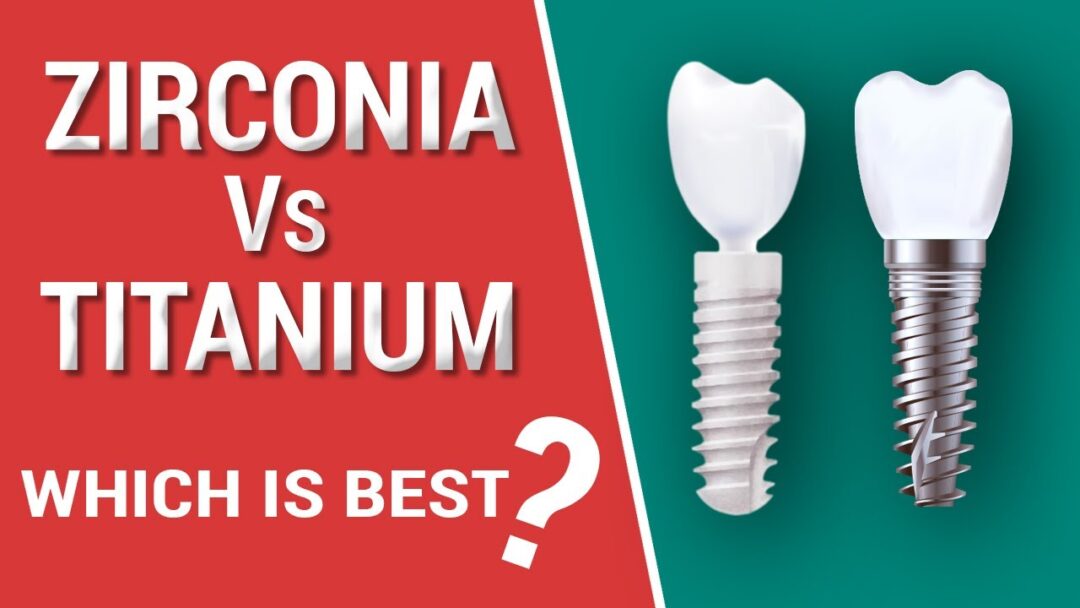
In the world of dentistry, there are few topics that spark as much debate as whether a patient should get a metallic or non-metallic dental implant. Both types of implants can be an effective way to support your natural teeth, but they have different benefits and drawbacks. Depending on your situation, one type may be better than the other. These two types of implants are very different in appearance and feel. A metallic implant is made from titanium, a non-metallic implant is made from a material like zirconium. This article will discuss the advantages and disadvantages of Metallic or Non-metallic Implants so you can make an informed decision about which would work best for you.
Who Is This Blog For?
This blog on metallic or non-metallic implants is for patients deciding between titanium and zirconia options who want to understand the real differences before choosing. It is especially useful for those concerned about discoloration or staining around the gumline, as well as people who grind their teeth and want an implant material less prone to chipping. It is also relevant for patients weighing cost against durability, since non-metallic implants typically come at a higher price point. And for anyone active in sports or at risk of dental trauma, this blog explains which material may hold up better under pressure.
Difference: Metallic or Non-metallic Implants
Metallic dental implants are most often made of titanium. Though they’re actually not made from pure metal. Instead, they’re a titanium alloy that has a metal core surrounded by a non-metallic coating. The non-metallic coating is there to protect the implant from corrosion and staining. If a dental implant is made out of pure metal, it will stain very quickly. This discoloration is caused by a reaction between the implant and the plaque and bacteria that naturally accumulate around your teeth.
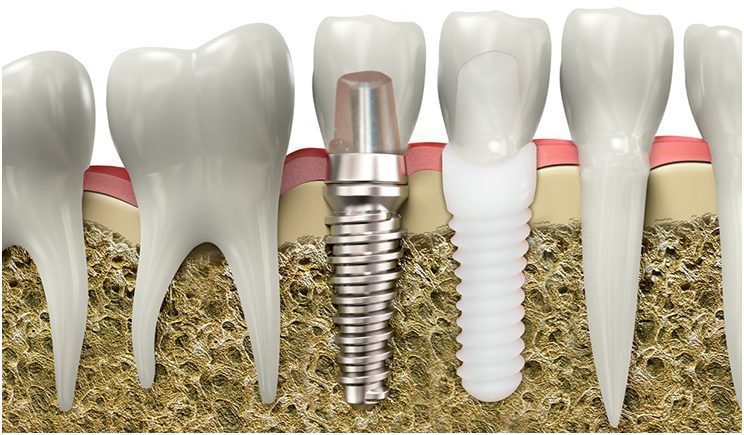
It’s very common for implants to be stained green, blue, yellow, or even purple. This staining can be embarrassing and can also cause your gums to recede. If you get a titanium dental implant, you don’t need to worry about discolouration. However, you do need to be careful to avoid chewing on hard or rough foods. The more pressure you put on your implant, the quicker it will wear down.
Metallic vs Non-Metallic Implants
The bottom line is that both metallic and non-metallic dental implants are effective at supporting your teeth. The real difference is that metallic implants are more durable and can be used in patients who are more likely to break them. If you’re at risk of discoloration, non-metallic implants are the best choice. Likewise, if you grind your teeth, you should go with non-metallic implants since they are less likely to break.
Non-Metallic or Zirconia Dental Implants
As we discussed above, non-metallic dental implants are used in patients who are at risk of discoloration. They’re also often a better option if you have a job that puts you at risk of grinding your teeth. This is because they are less likely to break or chip than metallic ones. If you break your dental implant, your tooth will be much more likely to fall out. Worse, if this happens while you’re asleep, you may not even realize it, which can lead to infection and serious health problems. In terms of cost, non-metallic implants tend to be slightly more expensive than metallic implants. This is because they are made from a special type of titanium alloy that is designed to resist corrosion.
Titanium vs Zirconia Dental Implants
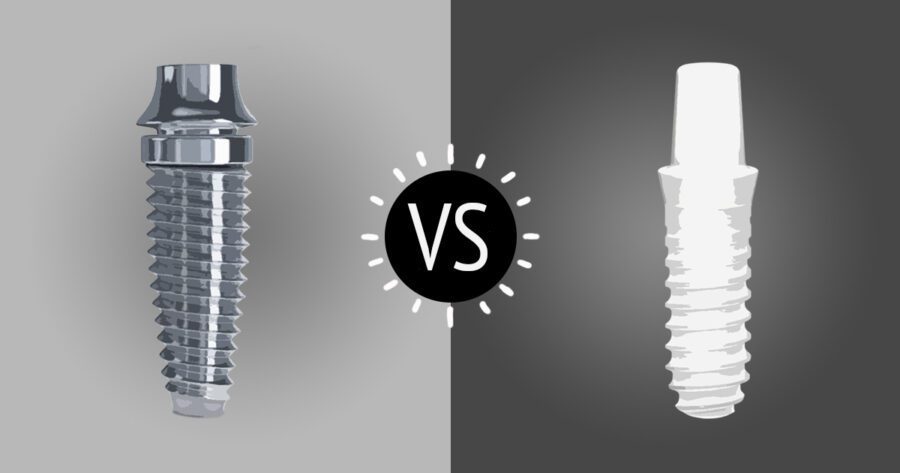
Most dental implants are manufactured from titanium or titanium alloy. Titanium has been used clinically for several decades and has extensive evidence supporting its ability to integrate with the surrounding jawbone. It is strong, corrosion-resistant and available in a wide variety of implant sizes, designs and restorative connections.
Zirconia implants are made from zirconium dioxide, a tooth-coloured ceramic material. They are sometimes described as metal-free dental implants and may be considered by patients who prefer a ceramic option or where the appearance of a grey implant beneath thin gum tissue is a concern.
Current evidence suggests that appropriately selected zirconia implants can achieve favourable clinical outcomes. An ITI consensus review reported an estimated five-year survival of approximately 97.2% for commercially available zirconia implants. However, the evidence base—particularly for two-piece zirconia implant systems—is still smaller than that available for titanium implants.
Advantages of Titanium Dental Implants
- Extensive long-term clinical evidence
- High strength and fracture resistance
- A wide range of implant dimensions and designs
- Greater prosthetic flexibility through two-piece systems
- Established options for single teeth, multiple teeth and full-arch rehabilitation
A titanium implant may still be visible through very thin gum tissue in some aesthetic areas. True titanium hypersensitivity is considered uncommon, but any history of reactions to metals should be discussed during consultation.
Advantages of Zirconia Dental Implants
- A tooth-coloured appearance
- Absence of metallic colour beneath the gums
- Good soft- and hard-tissue integration
- A metal-free treatment option for selected patients
Zirconia is not automatically stronger or more suitable for patients who grind their teeth. Implant position, implant design, available bone, bite forces and the type of final restoration must all be considered.
Which one is Right for You?
Because the two types of implants are so different, you can only know for sure which one is best for you after a careful examination. Your dentist will take a look at your oral health, your medical history, and any issues with your teeth or gums. They’ll also want to know about any strenuous activities you do, like playing sports.
Their goal is to find out if you’re likely to damage your implant, whether you’re at risk of discoloration, or if you’re particularly susceptible to tooth grinding. There are a few common situations in which non-metallic screws are a better choice than metallic ones. If you’re at risk of discoloration, non-metallic will be your best option. And if you grind your teeth, non-metallic are less likely to break or chip.
The decision should be based on:
- The location of the missing tooth
- Bone volume and quality
- Gum thickness and smile line
- Bite forces and teeth grinding
- Type of prosthesis required
- Available implant dimensions
- The clinician’s experience with the selected system
Conclusion
Choosing between metallic or non-metallic implants ultimately comes down to your individual risk factors and lifestyle. Titanium implants offer strength and durability, making them a solid choice for most patients, while zirconia implants are better suited for those prone to discoloration or teeth grinding. Since the right choice depends on a full evaluation of your oral health, medical history, and habits, it is best to discuss your options with your dentist before deciding. If you are considering implants, schedule a consultation to find out which material is the right fit for you.
FAQs
Are zirconia implants completely metal-free?
Zirconia implants are ceramic implants made primarily from zirconium dioxide and are generally marketed as metal-free. Patients should still ask about the complete implant and prosthetic components used in their particular system.
Are zirconia implants better than titanium implants?
Zirconia implants may be suitable for selected patients, but titanium has a longer and broader record of clinical use. The better choice depends on anatomy, treatment design and individual priorities.
Can titanium dental implants cause an allergy?
Reported titanium hypersensitivity is uncommon. Patients with a known history of unusual metal reactions should discuss this with their treating clinician before implant placement.