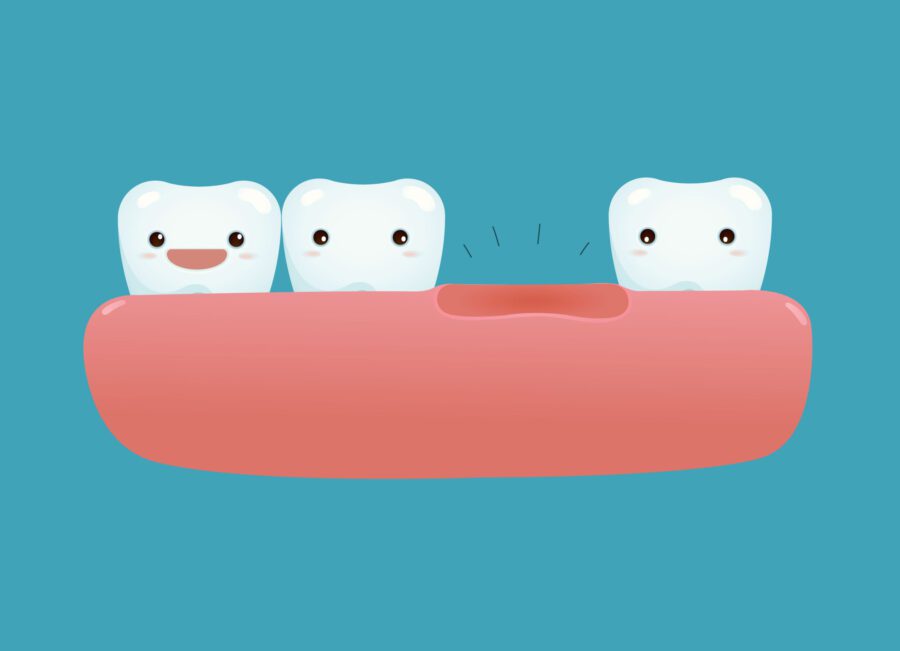
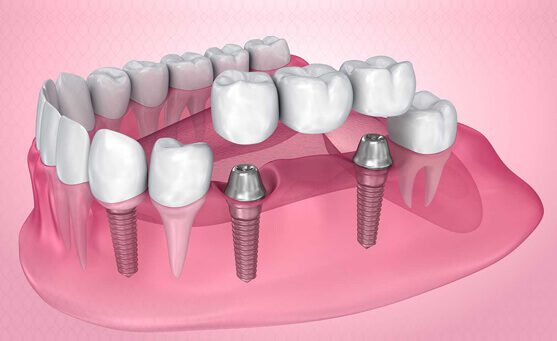
Dental implants are artificial tooth roots, which are used to replace a missing tooth or bridge an empty gap for perfect alignment. If you have lost one or more teeth and want to get back your confidence by smiling once again, then dental implants can be of great help to you. With a plethora of specialists in dental implants and dental clinics, it is not hard to find specialists in your area. However, with so many choices, there are a few things you need to consider before selecting a specialist and getting dental implants. Here are five things you need to check when choosing a dental implant specialist.
How to Choose the Right Dental Implant Specialist
Choosing a dental implant specialist should involve more than comparing treatment prices or online reviews. Dental implant treatment includes diagnosis, surgical placement, designing the implant-supported teeth and long-term maintenance. The dentist should evaluate the patient’s medical history, gum condition, available jawbone and bite before recommending treatment.

Patients should also understand whether the dentist will personally perform the surgery and prosthetic treatment or whether different specialists will be involved. A coordinated approach is particularly important for full-mouth rehabilitation, immediate-loading implants and patients with severe bone loss.
Check Qualifications and Implant Experience
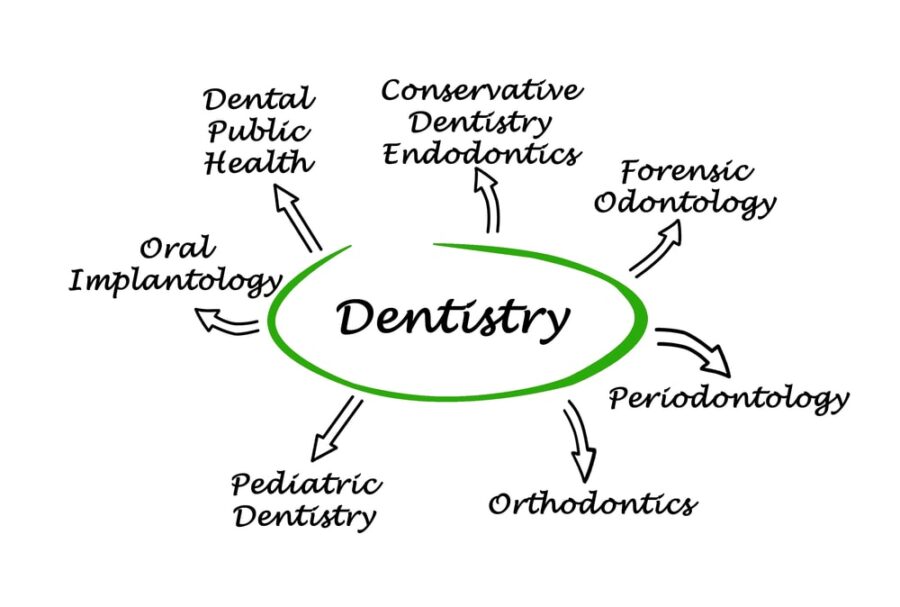
Ask about the dentist’s qualifications, implant training and experience managing cases similar to yours. Depending on the complexity, treatment may involve an oral and maxillofacial surgeon, periodontist, prosthodontist or an appropriately trained implant dentist. The number of years in practice alone does not establish implant expertise. Patients should ask how frequently the dentist performs implant procedures and whether the clinic manages advanced cases such as multiple missing teeth, failed implants, severe bone loss or zygomatic implants.
Look for Detailed Diagnosis and Digital Planning
A reliable dental implant specialist should examine the teeth, gums, bone and bite before finalising treatment. Dental X-rays, OPG or CBCT scans may be required to assess:
- Available bone height and width
- Location of nerves and sinus cavities
- Existing infections or failed dental work
- Position and angulation of the planned implant
- Space available for the implant-supported crown
- Relationship between the upper and lower teeth
Ask About All Available Treatment Options
Dental implant placement may not always be the first or only option. If a natural tooth can be predictably saved, the dentist should discuss conservative treatment before recommending extraction. When an implant is appropriate, the patient should receive an explanation of conventional implants, immediate-loading implants, bone-grafting procedures and alternative tooth-replacement options where relevant. The treatment plan should clarify why a particular approach has been recommended.


Understand the Complete Treatment Plan and Cost
A written treatment plan should ideally mention the number and type of implants, need for extraction or bone grafting, planned crown or bridge material, expected treatment stages, healing period and follow-up requirements. Patients should ask whether the quoted cost includes investigations, surgery, implant components, temporary teeth, final prosthesis and postoperative appointments. Choosing treatment solely because it is the cheapest may result in compromises involving materials, planning, laboratory support or aftercare.
Evaluate Safety, Sterilisation and Follow-Up Care
The clinic should follow appropriate sterilisation and infection-control protocols. Emergency medicines, monitoring equipment and trained support staff are particularly important for medically compromised patients, extensive implant surgery or procedures performed under sedation. Implant treatment does not end when the crown or bridge is fitted. Regular examinations, professional cleaning and bite assessment can help detect inflammation, loosening or excessive forces before they become serious problems.

Check the expertise of Dental Implant Specialist
Before you check any other details, you need to check the expertise of the dental implant specialist. If the dentist doesn’t have the experience of treating dental implant cases, then there is a higher chance that you might not get the desired results. What you need to do is check the credentials and the experience of the specialist. You can do this by asking your friends or family members who have had dental implants done in the past.
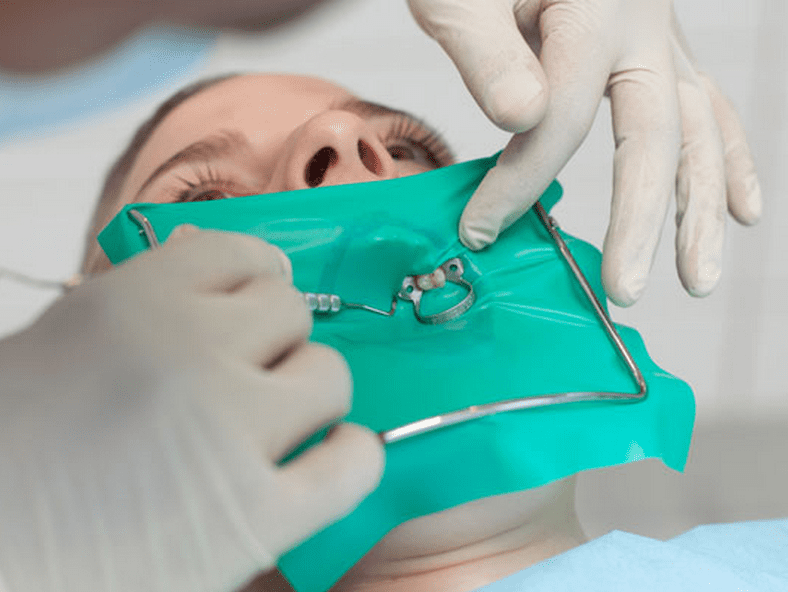
You can also do an online search and check the reviews of different dental clinics and dentists in your area. In addition, you can also check the training and certification of the dentist by visiting the website of the American Association of Oral and Maxillofacial Surgeons (AAOMS). You can click on the ‘find a surgeon’ option and enter your location or zip code to find a certified dentist in your area.
Ask specialist about the Dental Implant materials
The materials used in the dental implants largely affect their appearance, durability, and health risks. Therefore, it is important to ask the dental implant specialist about the materials that they use. There are two types of dental implants available: modern and traditional.

The stainless steel and titanium dental implants differ in terms of cost, appearance, and biocompatibility. While the titanium dental implants are mostly preferred by dentists because of their biocompatibility, it is important to know that both materials can cause an allergic reaction in some people.
Check about the Dental Crown choices
Another thing that you need to do is check about the prosthetic choices. A prosthodontist, or an expert in dental prosthetics, will work closely with your dentist to design a custom-fitted piece that looks just like your natural teeth. A prosthodontist will use a cast of your teeth to create the dental crown or the base of the dental implant. This dental crown will help your dentist to place the dental implant. In addition, a prosthodontist will also help you choose the right shade of dental implant and the right adhesive that will be used to attach the dental implant to your existing teeth.
Do your research on Google and other platforms
Choosing a dental implant specialist is not easy, but with the right research and information, you can easily find the best one. Start your research by checking the reviews and ratings of different dental clinics in your area. You can also read articles and blogs written by dentists and dental experts to know more about dental implants. Can also join a dental implant community or group where you can discuss, share, and collect information about dental implants. You can also talk to your dentist to know more about dental implants.
Your dentist will be able to guide you better and inform you about the latest dental technologies. You can also visit a dental implant expo or conference in your area where you can interact with different dental implant experts and get to know more about dental implants. The expo will also give you an opportunity to speak to different dental implant specialists and choose the best one for your treatment.
Conclusion
Choosing the right dental implant specialist is an important step towards regaining your confidence and smile. You need to do your research and choose the best implant specialist for your dental implants. While choosing a dental implant specialist, it is important to check the expertise of the dentist, the reason behind your tooth loss, the materials used in the dental implants, the prosthetic choices, and do your research to find the best one.
Frequently Asked Questions
Who is considered a dental implant specialist?
Dental implants may be placed by an oral and maxillofacial surgeon, periodontist, prosthodontist or another dentist with appropriate implant training and experience. The suitable professional depends on the complexity of the surgery and the type of implant-supported restoration required.
What questions should I ask an implant dentist?
Ask about the dentist’s qualifications, implant experience, diagnostic process, treatment alternatives, implant system, prosthetic material, expected timeline, risks, total cost and follow-up protocol. For complex treatment, ask whether similar cases are routinely managed at the clinic.
Is a CBCT scan necessary before every dental implant?
A CBCT scan is not automatically required in every case. However, it is commonly recommended when three-dimensional information about bone, nerves, sinuses or implant angulation is necessary. The dentist should decide based on the clinical situation and diagnostic requirements.
Should I choose a dental implant specialist based on price?
Price is an important consideration, but it should not be the only deciding factor. Diagnosis, surgical expertise, implant quality, prosthetic material, laboratory support, sterilisation and follow-up care can all influence the final outcome.
Can one dentist perform both implant surgery and the crown treatment?
Yes, an appropriately trained dentist may manage both stages. In complex cases, surgery and prosthetic treatment may be performed by different specialists working together. What matters is proper coordination and a treatment plan based on the final position of the teeth.
How can I check a dentist’s implant experience?
Patients can ask how frequently the dentist performs implant procedures, which types of cases are routinely treated and whether the dentist can explain documented cases similar to their condition. Patient photographs or testimonials may be helpful, but they do not guarantee an identical result.
What should a dental implant treatment plan include?
It should include the diagnosis, number and position of implants, proposed procedure, possible alternatives, prosthetic material, treatment stages, estimated timeline, risks, cost and maintenance requirements.
When should I seek a second opinion for dental implants?
A second opinion may be helpful when multiple teeth are being extracted, extensive bone grafting is proposed, the patient has severe bone loss, previous implants have failed or significantly different treatment plans have been suggested. It can also help patients better understand the available alternatives.
Suggested Article –
- Pros and Cons of Full Mouth Dental Implants
- Difference between Crowns and Dental Implants?
- Who is the Best Dental Implant specialist in Delhi?
- Are dental implants better than alternates?
Medical Disclaimer
This article is for patient education only. Dental treatment should be planned after clinical examination, medical history review, and X-rays or scans where required. Treatment suitability, cost, timeline, healing, and results vary from patient to patient.