
When a tooth goes missing, patients look for options to fill the gap. One of the newest ways Dental Clinics in Mumbai are offering to restore smiles is with dental implants. Dental implant success treatment replaces the root area of the missing tooth with metal, screw-like posts in which the artificial tooth can be implemented. The artificial teeth look and act just like real ones. Have you been considering getting a replacement for your missing tooth? Are Your teeth and gums compromised? If yes, then continue reading the blog 🙂 on the success factors of dental implants.
Who is this article for?
This article is for patients who are planning dental implant treatment and want to understand what affects the long-term success of implants. It is especially useful for patients with missing teeth, loose teeth, bone loss, gum disease, diabetes, smoking habits, failed bridges, previous implant failure, or those considering full mouth implants and same-day fixed teeth. The article helps patients understand that implant success depends not only on the implant itself, but also on diagnosis, bone quality, gum health, implant position, bite balance, medical history, oral hygiene, material choice, follow-up care, and patient habits.
‘Every tooth in a man’s head is more valuable than a diamond.’
Dr. Chirag Chamria, Oral & Maxillofacial Surgeon, is one of the few Oral Surgeons in Mumbai who perform same-day dental implants with fixed teeth. Dr. Chirag talks about the pinhole technique for dental implants that is used at Royal Dental Clinics, where dental implants are placed and teeth are fixed on same day.
Factors For Dental Implant Success
Osseointegration with Bone
Having a dental implant fused to the jaw bone the closest thing to mimicking a natural tooth because it stands on own without affecting the nearby teeth and great stability. The process of fusion between the dental implant and jaw bone called “osseointegration”. There are many researches on non-toxin polymer implants which have a faster osseointegration with the bone.
Fibrointegration with Tissue
Instead of the bone, the dental implant is in contact with connective tissue fibres. Fibrointegration happens much faster than osseointegration but it is not healthy for long term implant survival. Osseointegration is of prime importance for implant success but in some cases dentists may opt for Fibrointegration.
Adequate Width of Gingiva for Dental Implant Success
Adequate width of attached gingiva resist inflammation and trauma thus protecting dental implant from unwanted forces. So a healthy gingiva around dental implants may offer more resistance to the forces of frictional contact that occurs during oral hygiene procedures which improves maintenance of the implant.
Size & Width of Dental Implant gets Success
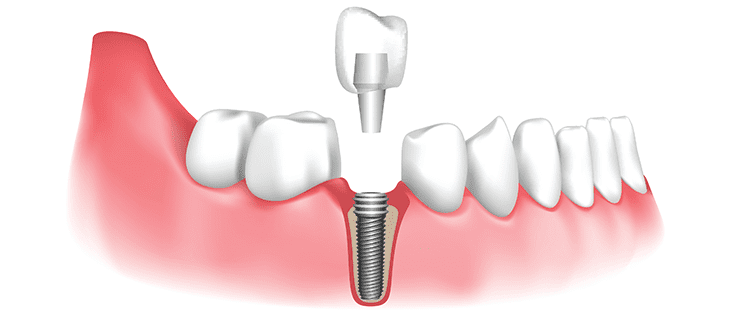
Success of dental implant lies in the decision of choosing the right size and width of dental implant for longterm. The size of a dental implant used to be determined primarily by the existing bone volume in height, width, and length. A surgeon would select longer implants in the anterior regions of the mouth and shorter ones in the posterior areas.
Location of Dental Implant
Implants in the posterior region receive more pressure due to chewing than those placed in the front. So they may fail more quickly than those at the front. An occlusal balance of the bridge post dental implants is the key to success of the entire dental implant treatment.
Other Medical Conditions
Rheumatoid arthritis, diabetes, thyroid play a significant role in delaying the healing process of dental implant treatment. Delayed healing can prevent osseointegration leading to implant failure.
General Oral Health and Lifestyle
Patients who smoke are at a higher risk of implant failure than non-smokers. Before planning for dental implants oral cavity should be free from periodontal disease. If the implants placed in periodontally affected sites there are higher chances of acquiring perimucositis and periimplantitis. If one maintains oral hygiene by brushing and flossing dental implant will last longer.
Patient Habits leading to missing tooth
Tobacco may negatively affects the outcome of almost all dental procedures performed in the oral cavity. The failure rate of implant osseointegration is higher among smokers, and maintenance of oral hygiene around the implants and the risk of failure are adversely affected by smoking. Though titanium has high fracture resistance, habits such as bruxism or night clenching or chewing tobacco negatively affect the life span of a dental implant.

Dental Appointment Follow up
Success of dental implant and other dental treatments also lies in regular interval check ups to check for any discrepancies in healing. After healing completed to keep a check on patients oral hygiene maintenance and bone health.
Advanced SAPTeeth Material
One of the most advanced materials for success of dental implant are called Shock Absorbable Permanent Teeth. Shock Absorbable Permanent teeth are a group of polymer teeth which when placed only transfers 1% of the occlusal forces to the implant or natural tooth.
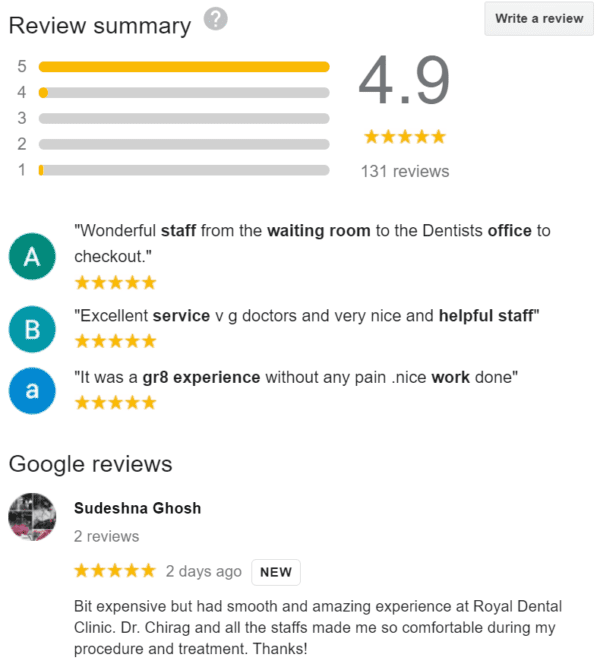
Highest Rated Dental Clinic

FAQs on Dental Implant Success
1. What are the most important factors for dental implant success?
Dental implant success depends on several factors, including bone quality, gum health, correct implant position, implant stability, bite balance, oral hygiene, medical history, smoking or tobacco habits, material selection, prosthetic design, and regular follow-up care. A properly planned implant treatment should begin with clinical examination, X-rays or CBCT scan where required, and a clear treatment roadmap.
2. Can smoking or diabetes affect dental implant success?
Yes, smoking and uncontrolled medical conditions can affect healing and implant outcomes. Smoking has been shown to have an adverse effect on implant survival and success. Diabetes may also affect healing, especially when poorly controlled, so patients should discuss their medical history clearly before implant treatment. Well-controlled diabetes may still allow implant treatment in selected patients after proper evaluation and planning.
3. How can I improve the success of my dental implant?
You can improve implant success by maintaining good oral hygiene, avoiding smoking and tobacco, attending follow-up appointments, controlling diabetes or other medical conditions, following post-operative instructions, avoiding excessive biting forces, and getting the final teeth or prosthesis checked regularly. If you grind your teeth at night, your dentist may advise bite adjustment or a night guard to protect the implant and restoration.
Conclusion
Dental implant success is not decided by one factor alone. It depends on proper diagnosis, bone and gum condition, implant position, surgical planning, bite balance, medical health, oral hygiene, material choice, and regular maintenance. Patients should understand that an implant is a long-term treatment option, but it still needs care, follow-up, and professional monitoring.
Before choosing dental implant treatment, ask your dentist about your bone condition, gum health, implant plan, temporary and final teeth options, expected timeline, risks, maintenance, and follow-up schedule. If you have diabetes, smoking habits, gum disease, bone loss, previous implant failure, or full mouth dental concerns, a detailed consultation is important before treatment planning.
© All rights reserved by Royal Dental Implants Pvt Ltd. Issued in public interest