

The maxilla is the upper region of the facial skeleton that houses the nasal cavity and bones that support the eyes, nose, and cheekbones. When the maxilla loses volume due to trauma or infection, it is called atrophic maxilla. It is an extremely challenging issue for plastic surgery and often results in visible deformities such as sunken cheeks, underdeveloped cheekbones, and a narrow jawline. Zygomatic dental implants are a cost-effective way to correct atrophic maxilla and give your face back its volume and contour. In this article we will explain what zygomatic implants are, their different types, indications for use, surgical methods, postoperative care, complications, and much more!
Zygomatic Dental Implants for Atrophic Maxilla may be considered for patients with severe upper jawbone loss, missing upper teeth, loose dentures, or facial changes caused by long-term bone loss, trauma, infection, or previous surgery. These implants take support from the cheekbone and may help selected patients receive fixed teeth when regular dental implants do not have enough upper jawbone support.
Who Is This Article For?
This blog on zygomatic implants for atrophic maxilla is for patients with significant upper jawbone loss due to trauma, infection, or congenital conditions who need to understand their treatment options. It is especially useful for those who have been told they don’t have enough bone for traditional implants and want a cost-effective alternative. It is also relevant for patients dealing with facial changes like sunken cheeks or an underdeveloped jawline resulting from bone loss. And for anyone researching the different types and surgical approaches to zygomatic implants, this blog offers a detailed technical overview.
Zygomatic Dental Implants for Atrophic Maxilla
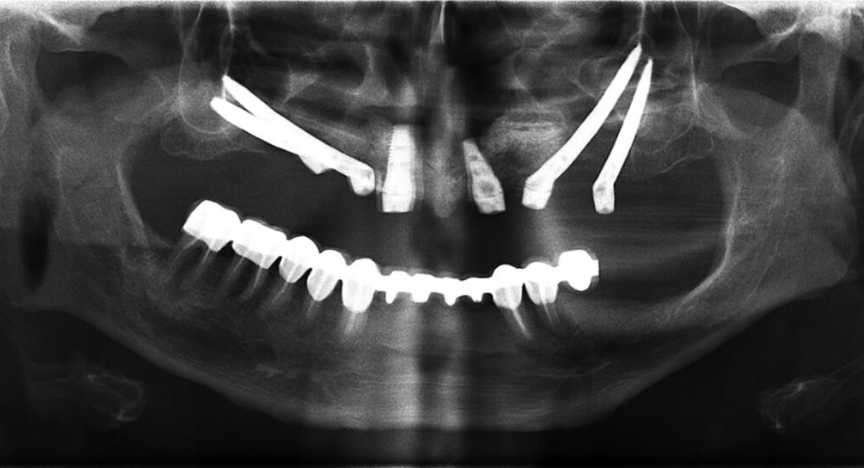
Zygomatic Implants for Atrophic Maxilla are considered for patients who have severe upper jawbone loss and may not have enough bone support for regular dental implants. These implants take support from the cheekbone, which can help selected patients receive fixed teeth even in complex upper jaw cases. Before planning treatment, a detailed consultation, CBCT scan, sinus evaluation, gum check-up, bite assessment, and medical history review are important to understand whether this option is suitable and safe for the patient.
What are Zygomatic Dental Implants?
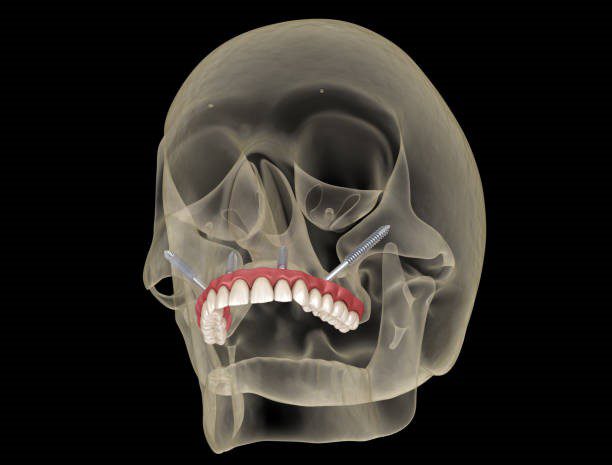
Zygomatic implants are a type of facial implants that are used to correct atrophic maxilla and augment the cheekbone region. These implants can be made of a variety of materials and are available in different sizes. Zygomatic implants are usually inserted above the cheek arch. They are a functional and aesthetic solution for a wide variety of maxillofacial issues.
Zygomatic implants are designed to mimic the natural shape and contour of the cheekbones. While the shape of the implants can vary depending on the condition of the patient, there are two main types of zygomatic implants:
Fixed: This type of implant is permanently set at a particular angle and position. It cannot be repositioned once it has been inserted.
Resorb-able: This type of implant is made with a material that is slowly resorbed by the body over time. After it has been completely resorbed, its effects are completely gone.
What is the cause of Atrophic Maxilla?
The maxilla can lose volume for a number of reasons, such as a congenital defect, bone loss due to infection, or trauma resulting from an accident. Maxillofacial deformities often result from injury to the nasal cavity, sinuses, or teeth. They can also be caused by certain infections or tumors. For example, people with cystic fibrosis are at an increased risk of developing maxillary atrophic deformities due to the chronic bacterial infections. These deformities can be corrected with surgery, but the best results are obtained when the procedure is performed as early as possible. Zygomatic implants can correct several maxillofacial deformities, including sunken cheeks, underdeveloped cheekbones, a narrow jawline, and a receded mandible. They can also be used in people who have had facial trauma, have lost volume due to aging, or have a congenital defect.
When to use Zygomatic Dental Implants
Zygomatic implants are a great way to correct atrophic maxilla and augment the cheekbones. They are ideal for patients who have congenital defects, a history of bone loss, or complications from a maxillofacial injury. They can also be used to correct facial aging changes and provide cosmetic enhancement. Zygomatic implants can be used to correct several maxillofacial deformities, including sunken cheeks, underdeveloped cheekbones, a narrow jawline, and a receded mandible. They can also be used in people who have had facial trauma, have lost volume due to aging, or have a congenital defect.
Surgical Procedure for Zygomatic Implants
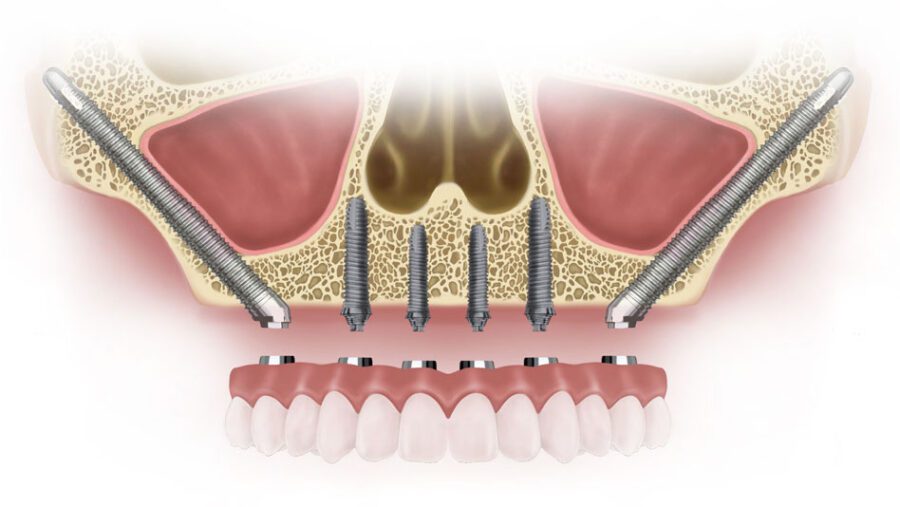
The type of surgery used depends on the type of implant that is used. For fixed implants: The incision is made behind the ears and along the hairline. The temporalis muscle is gently lifted away from the skull and the implant is placed above the zygomatic arch. The implant is fixed in place using screws or other mechanical devices. The implant is then covered with the temporalis muscle, which is sutured to the skull. For resorbable implants: The incision is made behind the ears and along the hairline. The temporalis muscle is gently lifted away from the skull and the implant is placed above the zygomatic arch. The implant is fixed in place using wires or other mechanical devices. The implant is then covered with the temporalis muscle, which is sutured to the skull.
Conclusion
Zygomatic dental implants are a great way to correct atrophic maxilla and augment the cheekbones. They can also be used to correct facial aging changes and provide cosmetic enhancement. These implants can correct several maxillofacial deformities, including sunken cheeks, underdeveloped cheekbones, a narrow jawline, and a receded mandible. They can also be used in people who have had facial trauma, have lost volume due to aging, or have a congenital defect.
FAQs
1. What is an atrophic maxilla?
An atrophic maxilla means loss of bone volume in the upper jaw. It may happen due to missing teeth for a long time, trauma, infection, congenital conditions, tumours, or previous surgery. Patients may notice difficulty chewing, loose dentures, sunken cheeks, or changes in facial appearance.
2. How can zygomatic implants help in atrophic maxilla?
Zygomatic implants take support from the cheekbone instead of depending only on the upper jawbone. This may help selected patients with severe upper jawbone loss receive fixed teeth or improved dental support when regular implants may not have enough bone support.
3. Who may need zygomatic implants for atrophic maxilla?
Patients who have severe upper jawbone loss, loose dentures, missing upper teeth, facial trauma, infection-related bone loss, or congenital jawbone defects may be evaluated for zygomatic implants. Suitability depends on scans, sinus condition, gum health, bite, medical history, and clinical examination.
4. Are zygomatic implants better than regular dental implants?
Zygomatic implants are not “better” for every patient. Regular dental implants are suitable when enough jawbone is available. Zygomatic implants may be considered when the upper jawbone is very weak or reduced and regular implants may not get stable support.
5. Can zygomatic implants avoid bone grafting?
In selected cases, zygomatic implants may reduce or avoid the need for bone grafting because they take support from the cheekbone. However, every case is different, and the dentist or oral surgeon must check CBCT scans, bone condition, sinus position, and treatment goals before deciding.
6. Is zygomatic implant surgery safe?
Zygomatic implant surgery can be planned safely in suitable patients, but it is a complex procedure. It should be done after proper diagnosis, scan evaluation, surgical planning, medical history review, and discussion of possible risks such as swelling, bruising, sinus-related concerns, infection, or delayed healing.
7. How do I know if I am suitable for zygomatic implants?
You need a consultation, clinical examination, CBCT scan, medical history review, and bite evaluation. The final decision depends on upper jawbone support, cheekbone anatomy, sinus health, gum condition, oral hygiene, healing ability, and whether fixed teeth can be planned safely.