
Dental care is not a luxury for everyone. In fact, dental care can be considered as a luxury for only a few people. Given the rising costs of medical treatment, housing and other living expenses, many people struggle to afford services. A lot of factors must be taken into account before determining if dental services is a luxury or not for you. Even though it might be easy for some to assume that oral care is a luxury for them, there are statistics to prove otherwise.
Why is dental care considered a luxury is a common question for patients who feel dental treatment has become expensive or difficult to afford. Dental care may feel costly because of treatment complexity, clinic setup, dental materials, lab work, technology, insurance limitations, and delayed visits that turn small dental problems into bigger concerns. On the other hand, if your household income is high enough to cover your living expenses and mortgage payments, along with additional money left over every month, then it’s safe to say that you probably don’t struggle with affording dental services.
Who is This Article For?
This article is for patients and families who feel that dental care has become expensive or difficult to afford. It is helpful for people who want to understand why dental treatment, dental insurance, preventive care, root canal treatment, fillings, extractions, cleaning, or other dental procedures may feel like a luxury for some individuals. This article helps patients understand that dental care is important for oral health, but affordability depends on income, insurance support, treatment needs, and access to low-cost or basic dental care options.
What is considered as a luxury in dental care?
A luxury item is something that is not a necessity. For example, when people go on vacation, they treat themselves to luxury hotels and fine dining, as well as indulge in spa treatments and shopping sprees. In the world of financial planning, many agree that a luxury is anything that you can do without. For example, some people consider their daily coffee addiction as a luxury. Others might think their daily two-mile walk is a luxury. A luxury is subjective, and one person’s luxury item might be another person’s necessity.
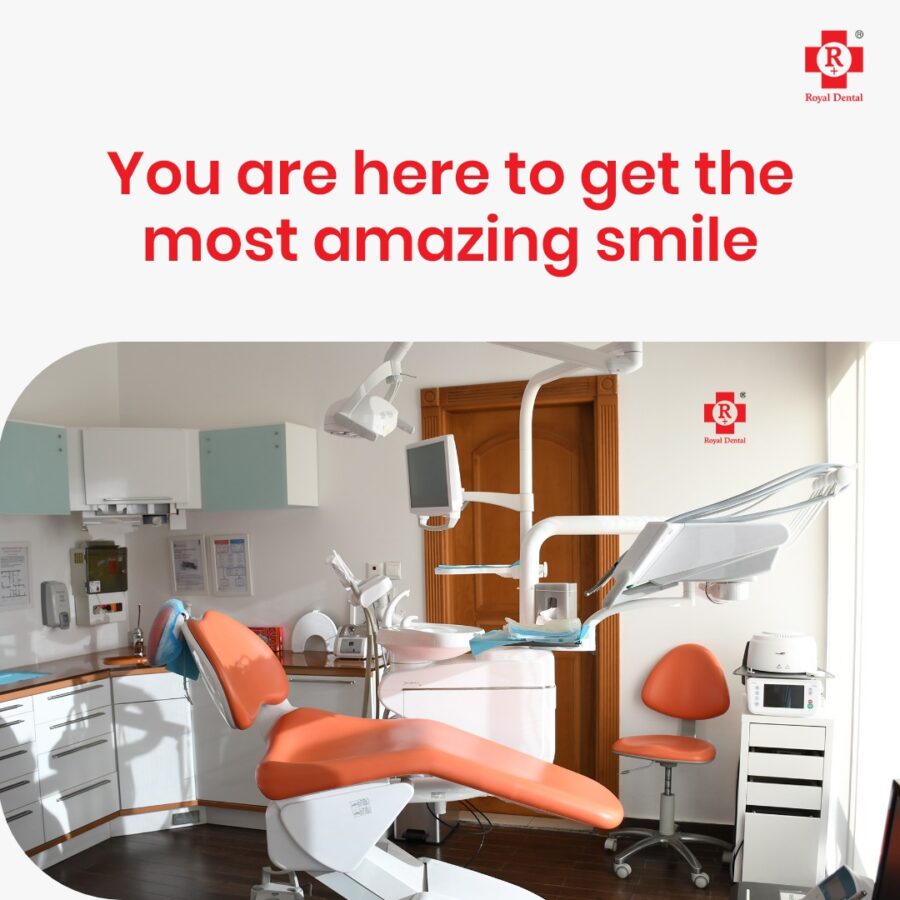
Dental Care Services may be expensive!
Compared to other types of healthcare, dental care might be easier to obtain for most people. However, dental procedures can still be very expensive. Insurance can be very helpful in making oral care more affordable for many people. According to the CDC, almost two-thirds of American adults have dental insurance. Unfortunately, oral care isn’t a required benefit for health insurance coverage.
In fact, it only becomes a required coverage in the Affordable Care Act when it comes to dependents. Dental insurance can help reduce the cost of healthcare, but it doesn’t eliminate the need to pay a portion of the cost yourself. If you have dental insurance, you may have a high annual deductible or a limit to the amount of benefits that you can receive in a year.
Why is dental care services considered luxury?
Oral care is one of the few types of health insurance that is recommended for everyone. That being said, dental care is not a necessity for everyone. Unfortunately, dental care is very expensive. Dental procedures can cost a lot of money, especially if you need a root canal or other intensive treatment. Due to rising health insurance premiums, many people without dental insurance can’t afford oral care. Only a small percentage of the population have Dental Insurance. However, must have one. If you don’t have dental insurance and can’t afford to pay for your dental services out of pocket, then you will likely struggle to obtain oral care.
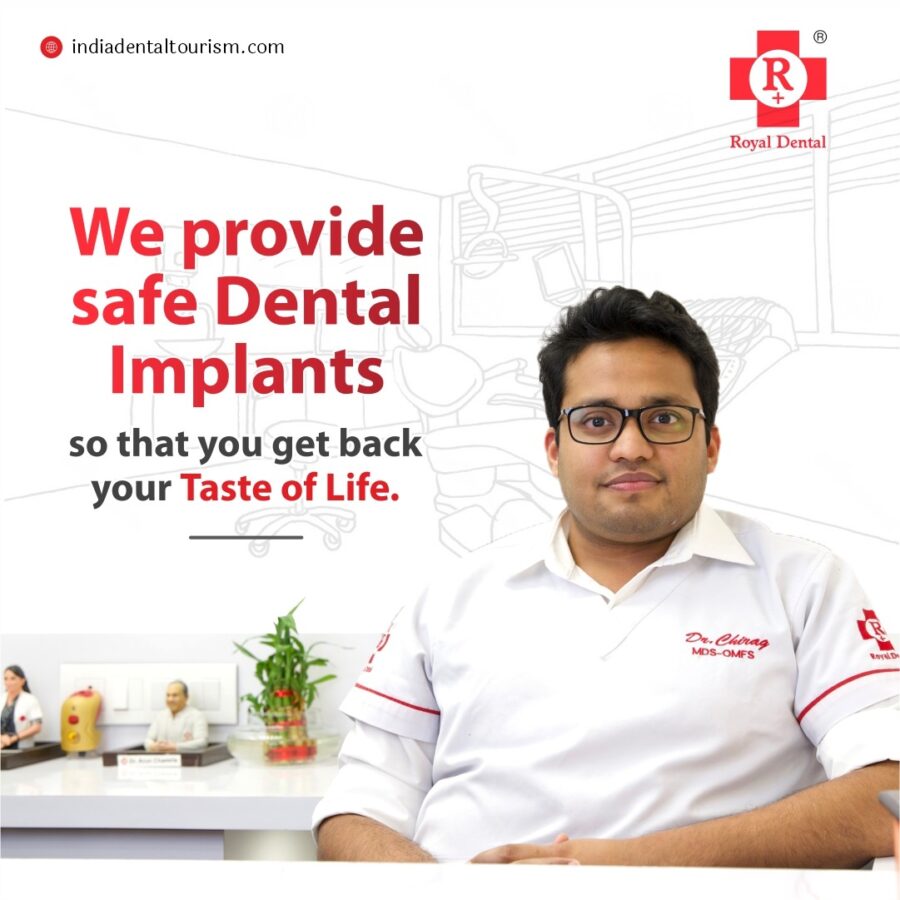
How to get Free and Affordable Oral Care
Here at Royal Dental Clinics we provide affordable, low-income dental care. If your situation fits into a pre-decided bracket of income, age, and necessary services, we can help. Depending on which clinic you visit, you may have to meet certain requirements. Depending on your individual or household income or insurance status, you may qualify for free or low cost basic oral care. Basic care covers the standard needs of cleaning, extractions, or fillings.
Why Does Dental Treatment Sometimes Feel Expensive?
Dental care may appear expensive because treatment often involves specialised clinical expertise, diagnostic imaging, advanced equipment, sterilisation protocols and high-quality restorative materials. Procedures such as root canal treatment, crowns, dental implants and full-mouth rehabilitation may require several stages of planning and precision. However, dental treatment should not automatically be considered a luxury, especially when it is required to relieve pain, control infection or restore normal chewing.
Preventive Dental Care Can Reduce Long-Term Costs
Postponing a dental consultation may allow a small cavity or gum problem to become more complicated. A tooth that could initially be treated with a filling may later require root canal treatment, a crown or even extraction and replacement. Regular examinations, professional cleaning and early treatment can therefore reduce both the financial and clinical burden of dental disease.
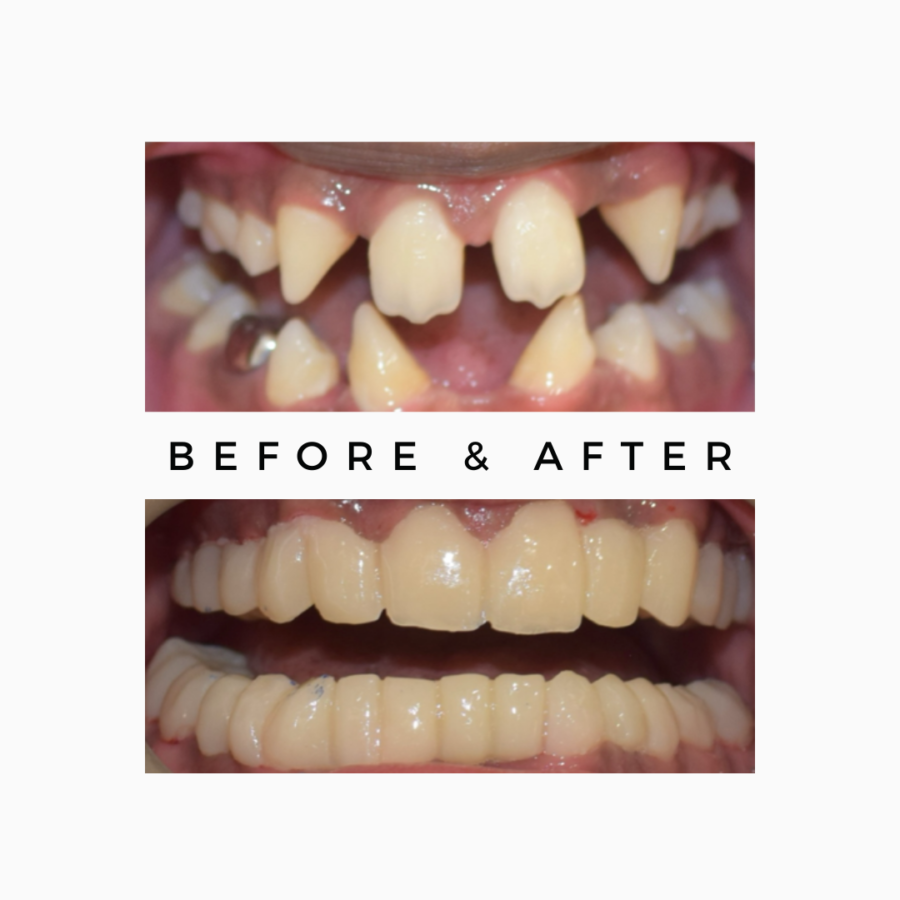

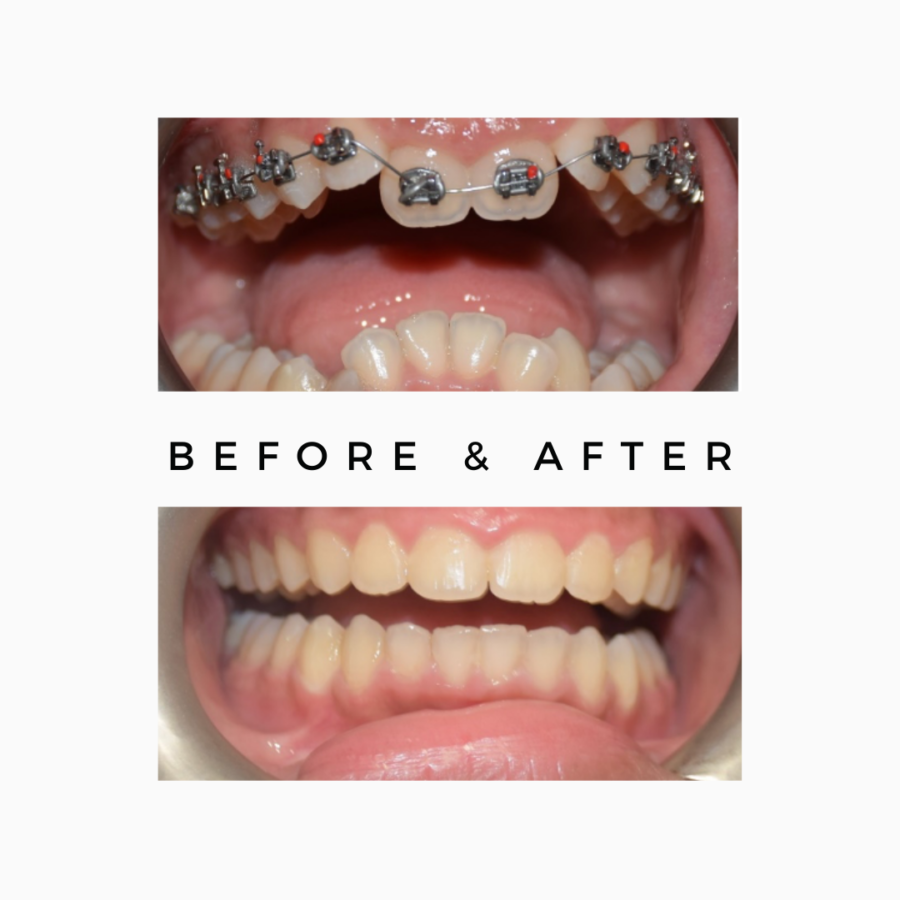
Essential Dental Care vs Elective Cosmetic Treatment
Essential dental care includes the diagnosis and treatment of tooth decay, gum disease, dental infections, oral injuries and conditions affecting chewing or speech. Cosmetic procedures such as elective whitening or purely aesthetic smile enhancement may be optional. However, restorative and reconstructive dentistry can have both functional and aesthetic benefits, so the distinction depends on the patient’s diagnosis and treatment needs.
Dental care is recommended for everyone, but it is not a necessity for everyone. If you can’t afford dental care out of pocket, you can still receive dental services if you are willing to have a slower treatment process or receive treatment at a free or reduced-cost clinic. Unfortunately, dental care is expensive. Dental procedures can be very costly. Dental care would be a luxury for you if cannot afford out of pocket.
Conclusion
Dental care is an important part of healthcare rather than merely a luxury. Although advanced procedures can involve considerable costs, early diagnosis and preventive care can make treatment simpler and more manageable. Patients should discuss the available treatment options, materials, expected longevity and payment considerations with their dentist before making a decision.
FAQs
1. Why is dental care considered a luxury?
Dental care may be considered a luxury because some treatments can be expensive, insurance coverage may be limited, and many patients only visit a dentist when the problem becomes serious. This can make dental treatment feel costly or difficult to access.
2. Is dental care really a luxury?
No, dental care should not be treated as a luxury. Oral health is important for eating, speaking, confidence, comfort, infection prevention, and long-term wellbeing. Preventive dental care can help avoid bigger dental problems.
3. Why are some dental treatments expensive?
Dental treatment cost may depend on the type of procedure, materials used, dentist’s experience, technology, clinic setup, lab work, infection control, X-rays or scans, and the complexity of the patient’s dental condition.
4. Does insurance cover dental care?
Some insurance plans may cover selected dental treatments, but many policies have limits, exclusions, waiting periods, or separate dental coverage requirements. Patients should check their policy before starting treatment.
5. Can delaying dental care increase cost?
Yes, delaying dental care can make treatment more complex and expensive. A small cavity may become a root canal case, bleeding gums may progress to gum disease, and missing teeth may affect chewing and bite balance.
6. How can patients manage dental treatment cost?
Patients can manage cost by going for regular dental check-ups, treating problems early, asking about treatment options, understanding the urgency of care, checking insurance benefits, and following preventive oral hygiene habits at home.
7. What dental care should not be delayed?
Tooth pain, swelling, bleeding gums, pus, loose teeth, broken teeth, mouth ulcers that do not heal, bad breath, difficulty chewing, and tooth sensitivity should not be ignored. These signs may need dental evaluation and timely treatment.