

Molar tooth decay is the most prevalent type of child dental decay, accounting for up to 80% of all childhood cavities. It’s also one of the most challenging types of tooth decay to treat because it affects such an inaccessible location in a child’s mouth. Molar tooth decay usually appears as small pits or depressions between the chewing surfaces of the molars and can spread very quickly if left untreated. As a result, we tend to see cases of molar tooth decay more often in children than other age groups. Here are some tips on how you can help your patients with this type of cavity. Read on to discover more about molar tooth decay, its causes and prevention strategies.
Who Is This Article For?
- Parents of young children
- Caregivers concerned about dental cavities
- Children experiencing tooth pain
- Families seeking preventive dental care
- Anyone interested in children’s oral health
How do you know if a child has Molar Tooth Decay?
Tooth decay is indicated by the presence of cavities. It’s important to differentiate between superficial and deep cavities. Superficial cavities are on the dentin layer of a tooth, which is situated just below the enamel layer. Deep cavities have breached the enamel layer and have spread into the tooth’s root. Therefore, deeper cavities are more difficult to treat than superficial ones because the dentist must drill through the tooth’s root to treat them.
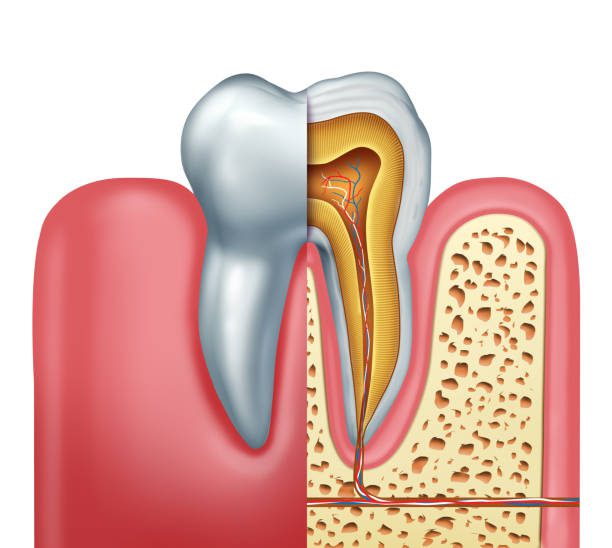
In the case of molar tooth decay, you should look out for the following signs:
- Affected teeth will be visibly larger than unaffected teeth.
- Tooth decay will cause the child’s teeth to be discoloured — they might become darker or lighter in colour.
- The child’s teeth will feel softer than normal.
In most cases, treatment requires removing the decayed part of the tooth and replacing it with a filling. Fillings are materials placed in teeth to repair damage caused by tooth decay. They are also called restorations.
Prevention strategies for Molar Tooth Decay
Molar tooth decay is difficult to treat and almost always requires a visit to a dentist. As such, it is vital to employ preventive strategies that keep a child’s teeth healthy. Here are some tips on how you can prevent molar tooth decay:
- Keep children’s teeth clean.
- Limit the frequency of sugary snacks.
- Get children to brush their teeth twice daily.
- Get children to visit the dentist once every 6 months.
Oral care strategies for children with Molar Tooth Decay
If a child has molar tooth decay, you should first ask the dentist what treatment options are available to manage the infection. Ideally, the dentist will remove the decayed portion of the tooth and seal the area with a dental filling. A dental filling prevents the area from becoming reinfected and is a more cost-effective treatment than a root canal.
Conclusion
Molar tooth decay in children should never be ignored. Early diagnosis, prompt treatment, and consistent preventive care can help preserve healthy teeth and prevent complications. Regular dental visits, good oral hygiene habits, fluoride protection, and healthy dietary choices all play an important role in maintaining your child’s long-term oral health.
Book Your Consultation
At Royal Dental Clinics, we provide comprehensive pediatric dental care, including cavity treatment, preventive dentistry, fluoride therapy, sealants, and restorative treatments for children. Our team is dedicated to helping young patients maintain healthy and confident smiles. Book your consultation today.
Frequently Asked Questions
What causes molar tooth decay in children?
Poor oral hygiene, sugary foods, inadequate fluoride exposure, and bacteria accumulation in molar grooves are common causes.
Can baby molars with cavities be saved?
Yes. Many decayed baby molars can be treated with fillings, crowns, or pulp therapy depending on the severity of the cavity.
Are dental sealants effective for children?
Yes. Sealants help protect molars from cavities by covering deep grooves where food and bacteria can collect.
When should a child see a dentist for tooth decay?
A child should see a dentist as soon as signs of decay, pain, sensitivity, or discoloration are noticed.
Can molar tooth decay be prevented?
Yes. Regular brushing, fluoride use, healthy eating habits, dental sealants, and routine check-ups can significantly reduce the risk of cavities.