
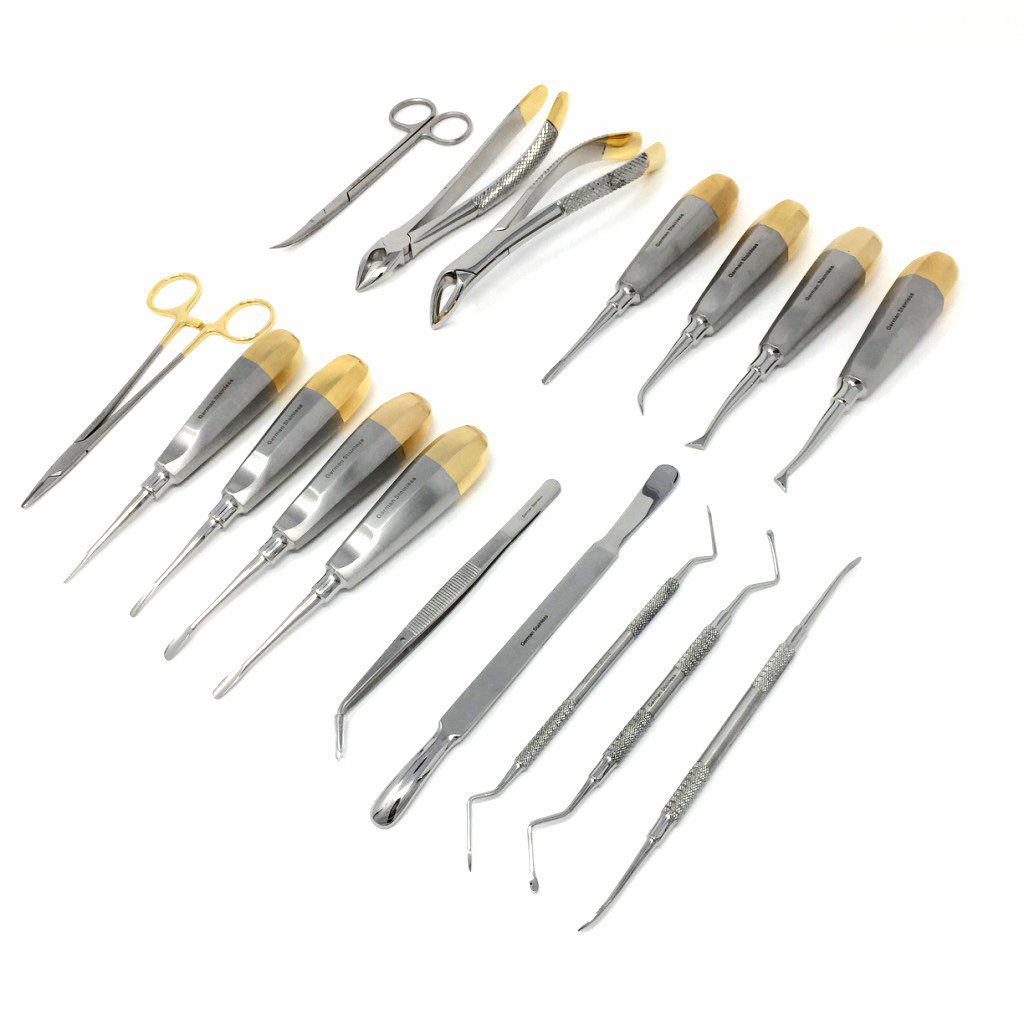
Implant dentistry is an exciting, cutting-edge field that is continually expanding and changing. With new dental technology coming in, there are tools that can be useful in your practice. A dental implant kit is a great way to keep all of these tools organized and accessible. In fact, you might even find that you need more than one implant kit! These help with advanced dental technology procedures. There are so many tools available today that it’s hard to even know where to begin. In this blog post, we’ll discuss some of the most important items you should include in your dental implant surgical kit.
Who is this Article For?
This article is for dentists, dental students, implant practitioners, and dental clinic teams who want to understand what tools are included in a dental implant kit. This blog is more professional/educational than patient-focused, because it explains the instruments used to organise and perform dental implant procedures.
What Is Included in a Dental Implant Surgical Kit?
A dental implant surgical kit is an organised set of instruments used to prepare the implant site and place a dental implant in a planned position. It commonly contains surgical drills, depth-measuring instruments, direction indicators, implant drivers and torque-control instruments.
There is no single universal implant kit. Each kit is designed for a particular implant system, implant shape and connection. The surgeon must therefore use instruments that are compatible with the chosen implant and follow the manufacturer’s current surgical protocol.
Is the Implant Kit the Complete Surgical Setup?
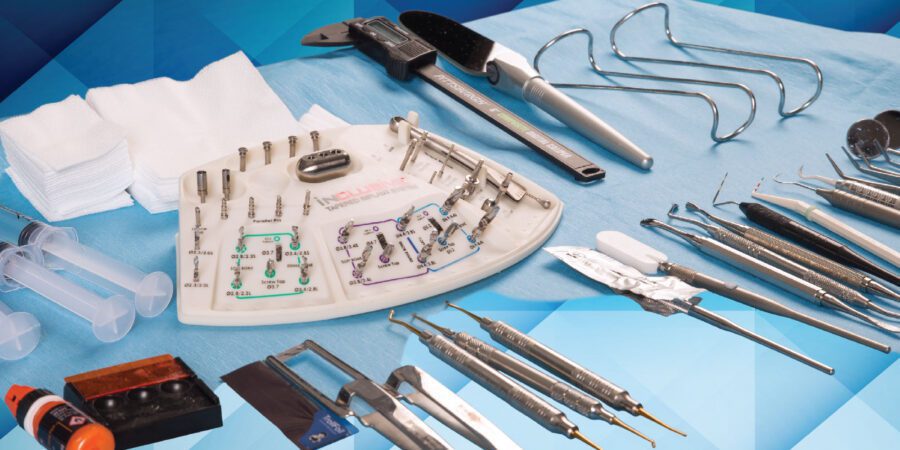
The implant kit is only one part of the surgical setup. It normally contains the system-specific instruments needed for drilling and implant placement. Other equipment—including the implant motor, surgical hand piece, irrigation system, sterile saline, suction, surgical hand instruments, sutures and protective drapes—is generally arranged separately.
Main Instruments in a Dental Implant Surgical Kit
Site-marking and pilot drills
A round bur, needle drill or marking drill may be used to identify the planned implant position. A pilot drill then establishes the initial depth and direction of the implant site.
Sequential implant drills
Progressively sized drills are used to prepare the implant site according to the planned implant diameter and length. The drill sequence varies according to the implant system, bone density and clinical situation. Exact drill sizes, speeds and sequences should not be generalised because they differ between manufacturers.
Depth gauges
Depth gauges help the clinician assess the prepared site and verify whether the required drilling depth has been achieved.
Direction indicators and parallel pins
Direction indicators or parallel pins help check the angulation and relationship of the implant site to adjacent implants or teeth.
Profile drills and bone taps
Some implant systems include profile drills to shape the coronal part of the implant site. A bone tap may be used to pre-cut threads in dense bone when required by the manufacturer’s protocol. These instruments are not required in every case.
Implant drivers and adapters
Implant drivers connect the implant to a surgical handpiece or manual ratchet. Different drivers may be required for different implant connections and restorative components.
Surgical ratchet and torque instruments
A manual ratchet may be used to complete implant placement or adjust its final position. Torque-control instruments allow the clinician to monitor or apply the recommended force during implant or component placement. The torque value must follow the instructions for the specific implant and component being used.
Screwdrivers
Compatible screwdrivers are used for cover screws, healing abutments and other implant components. The screwdriver connection must match the implant system.
What May Be Added for Guided Implant Surgery?
- Surgical drill guides or keys
- Guide sleeves
- Tissue punches
- Fixation pins
- Guided drills
- Depth-control stops
- Guided implant drivers
Guided implant placement requires suitable imaging, digital planning and an accurately manufactured surgical guide. Not every implant procedure requires guided surgery.
Are Impression Materials Part of the Surgical Kit?
Implant impression components are generally kept in a separate prosthetic kit. After healing—or during an immediate restorative workflow—the implant position may be recorded using an intraoral scanner and scan body or with conventional impression copings and impression material. These records are used to design and fabricate the implant-supported crown, bridge or denture.
Cleaning and Maintaining an Implant Kit
Reusable instruments must be cleaned, inspected, packaged and sterilised according to the manufacturer’s instructions and the clinic’s infection-control protocol. Drills should also be examined for wear, corrosion, damage or reduced cutting efficiency. Instruments labelled for single use should not be reused. The clinical team should confirm that the kit is complete, compatible with the planned implant and properly sterilised before beginning the procedure.
Conclusion
A modern dental implant surgical kit contains system-specific instruments for preparing the implant site, checking its depth and direction, inserting the implant and controlling torque. It should not be confused with laboratory burs, general surgical instruments or prosthetic impression components. The contents and drilling sequence vary between implant systems. Dental implant surgery should therefore be performed by a suitably trained clinician using appropriate planning, sterile protocols and the current instructions for the selected implant system.
FAQs
1. What is a dental implant kit?
A dental implant kit is a collection of instruments used during dental implant planning, placement, and restoration. It helps dental professionals keep important tools organized, accessible, and ready for different stages of implant treatment.
2. What tools are commonly included in a dental implant kit?
A dental implant kit may include drills, rotary tools, burs, rasps, tapping tools, shaping tools, impression trays, implant alignment guides, retractors, stabilisers, cover screws, and other surgical or prosthetic accessories.
3. Why are drills and rotary tools important in implant dentistry?
Drills and rotary tools are used to prepare the implant site and shape hard tissue when required. The type of drill or bur used depends on the implant system, bone condition, treatment stage, and clinical protocol.
4. What are impression tools used for in implant treatment?
Impression tools help record the patient’s mouth structure so that crowns, bridges, or implant-supported prosthetic teeth can be planned accurately. They may include impression material, trays, syringes, and retraction cords.
5. Why are implant alignment guides and stabilisers needed?
Implant alignment guides and stabilisers help position dental implants correctly during placement. Proper positioning is important for implant stability, prosthetic fit, bite balance, and long-term treatment outcome.
6. Can patients choose the instruments used in their implant treatment?
Patients usually do not choose the instruments directly. The implant dentist selects the required tools based on the patient’s bone condition, implant system, treatment plan, safety protocols, and clinical experience.