
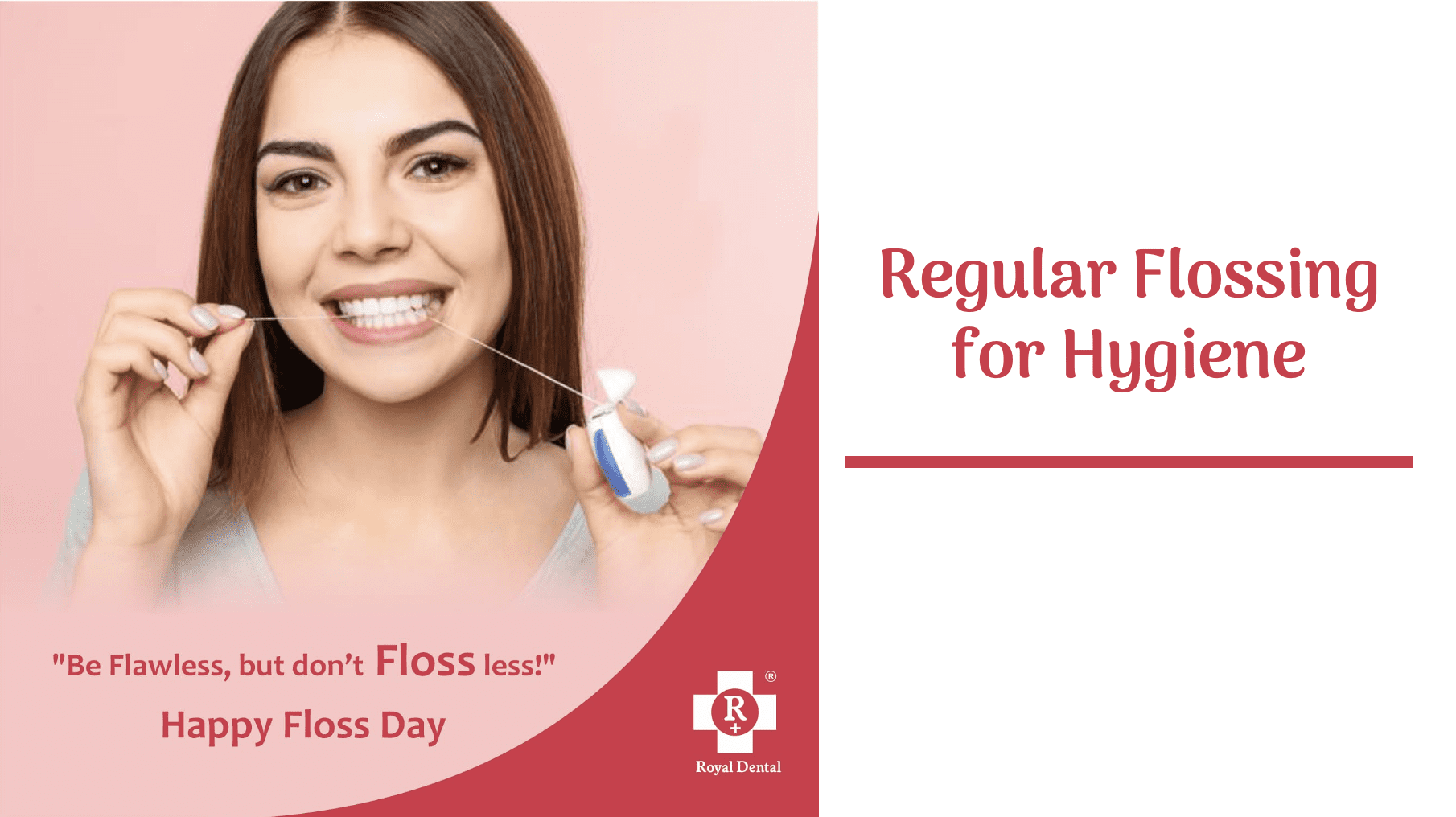
As you probably know, flossing is one of the most important dental habits you can develop to keep your pearly whites healthy. The ADA recommends that you floss every day to prevent plaque from building up between your teeth. This tender flesh is almost impossible to reach through brushing alone, which means that regular flossing is necessary for reducing your risk of tooth decay and periodontal disease. Luckily, it’t not as hard as it seems. Flossing doesn’t have to be a chore; rather, you can use it to relax and unwind after a long day at work or school. Consider these five tips on how to floss like a pro!
Who Is This Article For?
This article is for adults, teenagers, patients with bleeding gums and people who brush regularly but are unsure how to clean effectively between their teeth.
Why Is Cleaning Between the Teeth Important?
- A toothbrush cleans the outer, inner and chewing surfaces of the teeth but may not adequately reach the narrow areas between adjacent teeth. Plaque and food debris can remain in these spaces and contribute to gum inflammation, bad breath and cavities.
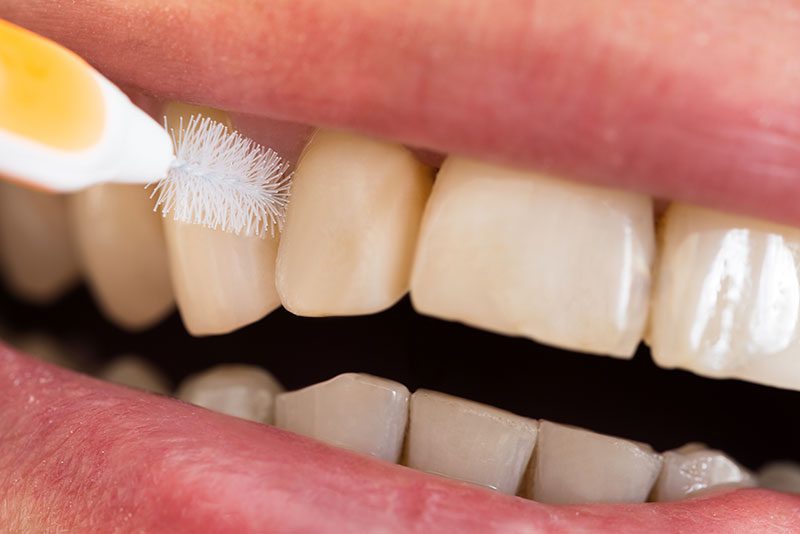
- Dental floss is one method of interdental cleaning. Other options include interdental brushes and oral irrigators. The most appropriate method depends on the spacing between the teeth, gum condition, dental restorations and the person’s manual ability.
- Cleaning between the teeth should complement brushing rather than replace it. The American Dental Association notes that floss and other interdental cleaners help remove plaque and debris from tooth surfaces that are difficult to reach with a toothbrush.
How to Floss Teeth Step by Step
Take approximately 40 to 45 centimetres of dental floss and wind most of it around the middle finger of one hand. Wind the remaining floss around the middle finger of the opposite hand, leaving a short working section between the fingers. Hold the floss gently between the thumbs and index fingers. Guide it between two teeth using a controlled back-and-forth movement. Do not force or snap it into the gums.
When the floss reaches the gum line:
- Curve it around one tooth in a C shape.
- Move it gently below the edge of the gum.
- Slide it upward and downward against the tooth surface.
- Repeat against the neighbouring tooth.
- Use a clean section of floss for the next space.
What Should You Do if Your Gums Bleed While Flossing?
Bleeding may occur when gums are inflamed because plaque has been collecting between the teeth. Gentle daily cleaning may reduce inflammation over time. However, floss should not be forced into the gums. Snapping or aggressive movement may cut the gum tissue and cause unnecessary bleeding. Arrange a dental examination when bleeding:
- Continues regularly
- Becomes heavier
- Occurs with swelling or pain
- Is accompanied by bad breath
- Occurs around a loose tooth
- Does not improve despite careful cleaning
Which Interdental Cleaner Should You Use?
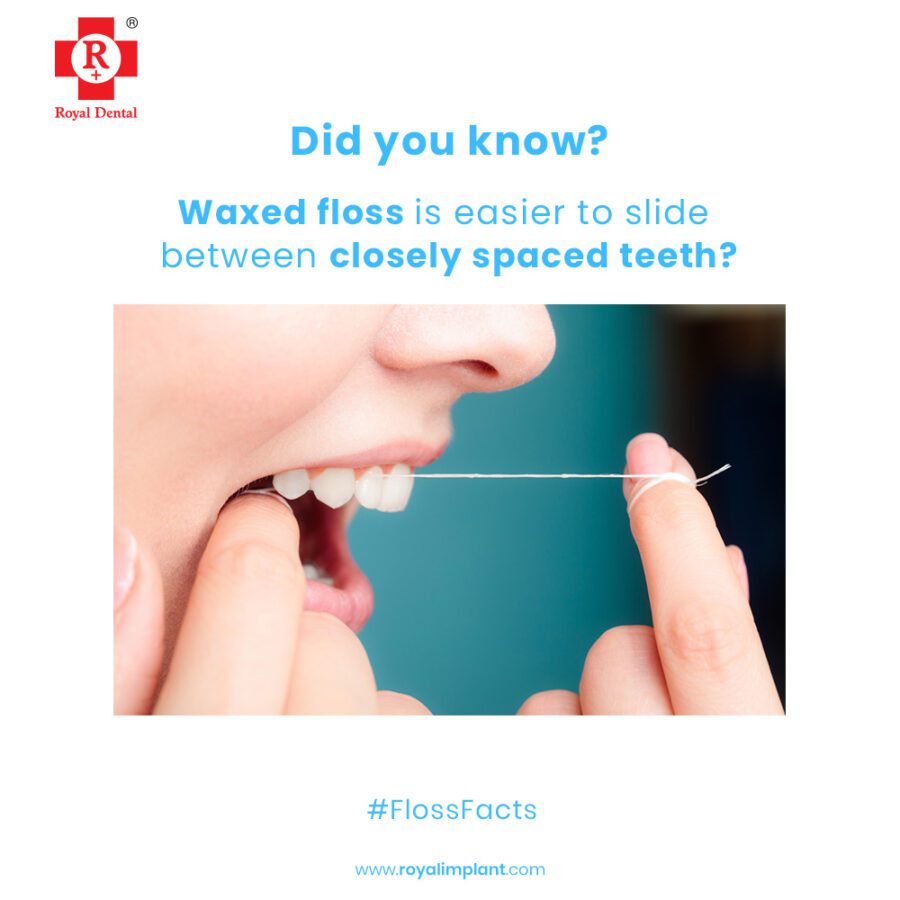
Traditional floss is often suitable for tightly contacting teeth. Waxed floss may pass more easily through tight contacts, while floss tape may feel more comfortable for some people. Interdental brushes may be more effective and convenient for wider spaces, gum recession, bridges or certain implant restorations. Floss threaders or specialised floss can help clean beneath fixed bridges and orthodontic wires. A water flosser may assist patients with braces, implants or limited manual dexterity. It should be used according to professional guidance and should not be assumed to be the ideal option for every patient.
Know types of flossing to use?
There are two types of floss – waxed and unwaxed. When it comes to efficacy, there is no difference between the two; however, unwaxed floss tends to be gentler on the gums. If you have sensitive teeth or gums, then unwaxed floss is a better choice for you. But, most people will be just fine with regular waxed floss. If you have braces or there are issues with your teeth’s positioning, you may need to choose a different type of floss.
Hold to hold it correctly?
The number one mistake that people make when they floss is that they wrap it around their fingers too many times. Flossing is a two-handed activity. With one hand, you should hold the floss while the other hand guides it in between your teeth. Your fingers should hold the floss close to the end that is tied in a knot. Then, with a gentle but firm touch, move the floss back and forth between your teeth.
Rotate your flossing finger
Most people floss with their non-dominant hand. This means that most flossing is done with the right hand. However, if you want to make sure you floss every part of your mouth, you should rotate which hand you use to floss. Use your dominant hand to floss one side of your mouth and then the other side with your non-dominant hand. This ensures that you don’t miss any spots.
Don’t forget your back teeth!
The front of your mouth is most likely what you are thinking about when you think about flossing. However, the back teeth are just as important when it comes to your health. To reach your back teeth, you have to bend the floss over your fingers. Then, you can use it to clean your molars. Most people forget to clean their molars, which can put them at risk of having gum disease or even losing their teeth.
Conclusion
Finally, remember that flossing is a crucial part of your health. There is no such thing as too much flossing. If you want to keep your teeth healthy and strong for a lifetime, you need to floss daily. With the right tools and techniques, flossing is quick and easy. All you have to do is remember these five tips and you’ll be on your way to healthier teeth and gums.
Holding the floss tautly between your thumbs and index fingers, slide it gently up-and-down between your teeth. Gently curve the floss around the base of each tooth, making sure you go beneath the gum line. Never snap or force the floss, as this may cut or bruise delicate gum tissue.
Frequently Asked Questions
Should I floss before or after brushing?
Either sequence can be effective when performed thoroughly. Flossing before brushing may help loosen material between the teeth before fluoride toothpaste is used.
How often should I floss?
Most people should clean between their teeth once daily using floss or another suitable interdental cleaner.
Why do my gums bleed when I floss?
Bleeding may be caused by gum inflammation or incorrect technique. Persistent bleeding should be examined by a dentist.
Can flossing damage the gums?
Gentle, correct flossing should not damage healthy gums. Snapping the floss or repeatedly cutting into the gum may cause injury.
Is waxed or unwaxed floss better?
Both can clean effectively. Waxed floss may pass more easily through tight contacts, while individual comfort and consistent use are more important than the type selected.
Can I floss around dental implants?
Yes, but the appropriate technique and product depend on the implant restoration. Interdental brushes, specialised floss or a water flosser may be recommended.
Can mouthwash replace flossing?
No. Mouthwash cannot mechanically clean plaque from the tooth surfaces between adjacent teeth as effectively as an appropriate interdental cleaner.