Prosthodontics is the branch of dentistry that focuses on restoring and rehabilitating the oral structure and function of teeth. A prosthodontist is a dentist who specializes in this field. They are able to diagnose, manage, and treat oral conditions that involve the usage of artificial teeth, restorations of missing teeth, or restoration of damaged teeth. Prosthodontics is the branch of dentistry that focuses on restoring and rehabilitating the oral structure and function of teeth. A prosthodontist is a dentist who specializes in this field. They are able to diagnose, manage, and treat oral conditions that involve the usage of artificial teeth, restorations of missing teeth, or restoration of damaged teeth. If you are interested to know what is prosthodontics and learning more about what it would take to do this job, read on. Also follow SAPTeeth for latest materials.
What does a Prosthodontist do?
As a prosthodontist, you would be in charge of all aspects of dental treatment, including but not limited to:
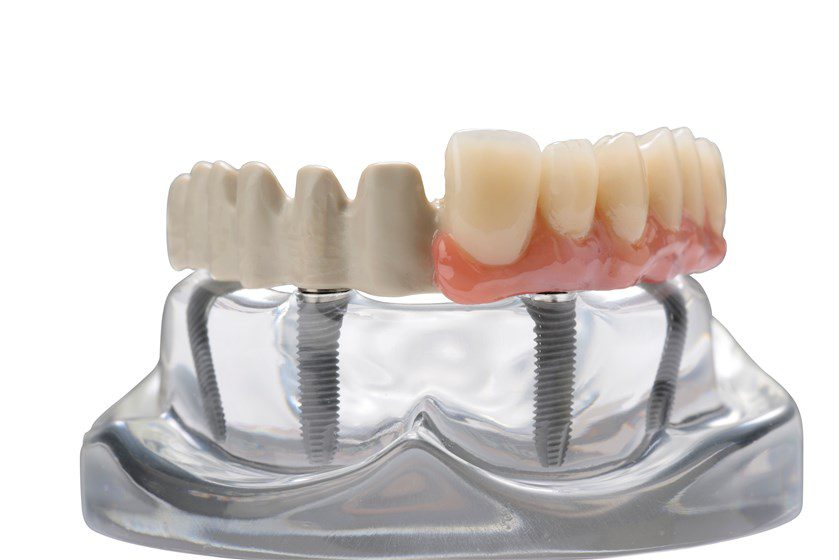
- Creating a plan for the restoration of teeth, fitting dentures, fabricating dental implants, and creating a functional and cosmetically pleasing smile.
- You will work with and treat patients who have specific oral health issues that require complex treatment. This might include patients who have lost teeth to periodontal disease, have suffered from trauma or injury to the oral cavity, or have a genetic disorder that affects the oral cavity.
- As a prosthodontics, you would work with a team of specialists who each have their own areas of expertise. They may be including: periodontics, oral surgeons, endodontist, and maxillofacial prosthodontists.
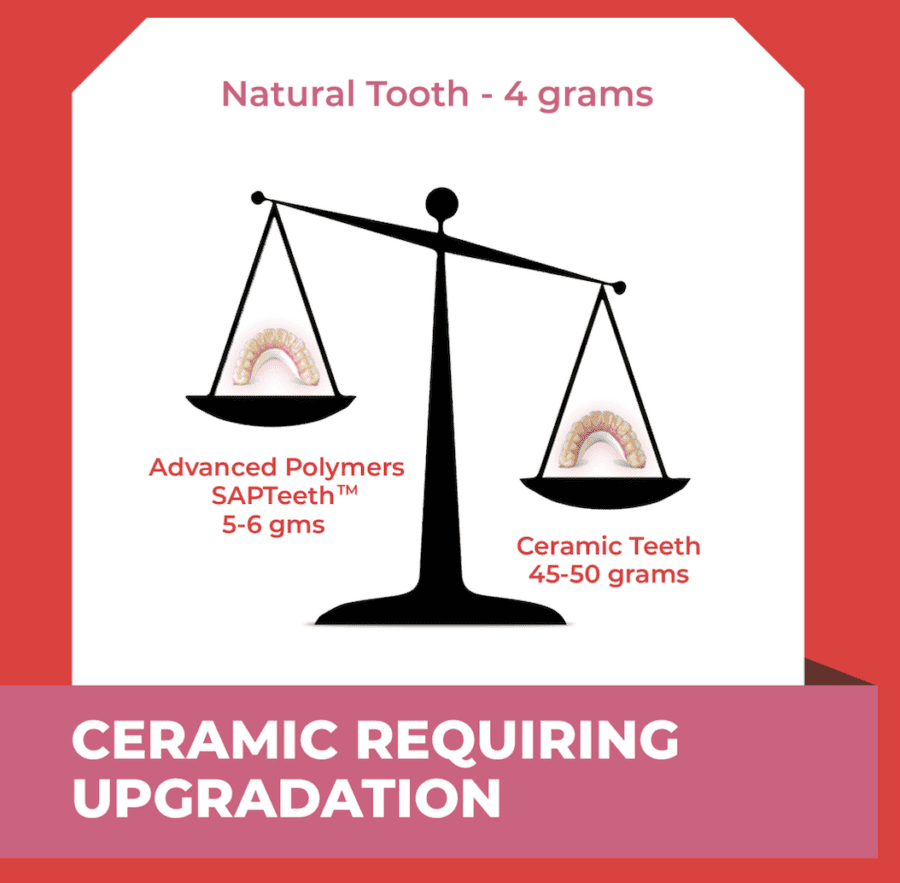
- Your job would involve communicating with these other specialists to ensure that your patients receive the best possible treatment. Choose the best materials for crown restoration such as SAPTeeth!
How to become a Prosthodontist?
There are a few different paths you can take to become a prosthodontist. You can choose to complete a one-year prosthodontic certificate program, a two-year master’s degree program, or a three-year doctor of philosophy (PhD) program. In order to gain admission into one of these programs, you will need to complete undergraduate coursework in biology, chemistry, physics, and mathematics. After completing whichever program you choose, you will need to pass your state’s licensing exam to become a licensed prosthodontist.
Requirements to become a Prosthodontists
In order to become a prosthodontist, you will need to be comfortable working with patients who have complex dental health issues. You will also need to be able to work as part of a team with other specialists, have excellent communication skills, and have a strong work ethic. It is also important that you are able to manage your time well and be able to stay on top of how much work you have and how long it is expected to take.
Prosthodontics Education and Training
If you decide to go the route of obtaining a PhD in biomedical sciences, you will need to first complete a four-year bachelor’s degree followed by a two-year master’s degree program. While in school, you will need to take courses in anatomy, biochemistry, microbiology, and immunology. You will also need to complete a research project that will act as your dissertation. If you decide to go the route of dental hygiene, you will need to complete a two-year associate’s degree program.
Once you have completed your degree, you will need to become licensed dental hygienist by passing the state’s licensing exam. Once you have become a licensed dental hygienist, you will need to apply to dental school. You will need to complete a four-year undergraduate degree in biology, chemistry, and math, and complete a two-year master’s degree program in biomedical sciences. While in dental school, you will need to complete a research project that will act as your dental restoration.
Benefits of becoming a Prosthodontist
As a prosthodontist, you will have the opportunity to work in a variety of different practices and in a team-based environment with other health care professionals. You will get to use your creative skills and problem-solving abilities on a daily basis and will be able to positively impact the lives of your patients. You will also able to work with your hands a lot and able to create functional and visually appealing smiles. If you love solving the complex problems and working in a team-based environment, being a prosthodontist.
When Should You Consult a Prosthodontist?
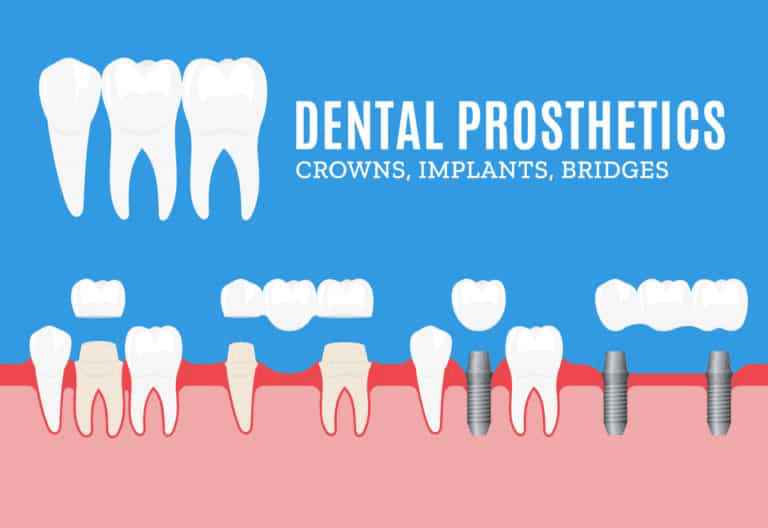
A prosthodontist focuses on restoring damaged teeth and replacing missing teeth to improve chewing, speech, comfort and appearance. A referral may be useful when a patient has several missing teeth, extensive wear, multiple failing restorations, an altered bite or complex aesthetic and functional concerns. Prosthodontists are also involved in dental-implant restorations, complete and partial dentures, crowns, bridges, veneers and full-mouth rehabilitation. Treatment may be coordinated with oral surgeons, periodontists, orthodontists and dental technicians when several specialties are involved. Full-Mouth Rehabilitation
Full-mouth rehabilitation is not a single standard procedure. It is an individualised plan for rebuilding several or all teeth when function, appearance and bite stability have been affected by tooth loss, severe wear, trauma, decay or failing dental work. The plan may combine fillings, crowns, bridges, implants and removable prostheses. Before treatment, the clinician assesses the remaining teeth, gums, jaw joints, bone, smile, speech and bite. Preserving suitable natural teeth should remain part of the discussion whenever possible.
Role of Digital Dentistry in Prosthodontics
Digital scans, photographs, X-rays, CBCT imaging and computer-assisted design can improve communication and treatment planning. These tools may be used to study the bite, design restorations and produce provisional or final teeth.
Digital technology does not replace clinical judgement. The long-term success of a restoration still depends on diagnosis, material selection, tooth preparation, laboratory quality, gum health, bite control and patient maintenance.
Final Words
If you are interested in learning more about what it would take to become a prosthodontist, so follow this article. We have discussed what a prosthodontist does, what requirements you need, and the benefits. We hope you have found this article useful that you have a better understanding about prosthodontist!
Frequently Asked Questions
What is the difference between a dentist and a prosthodontist?
A general dentist provides routine preventive and restorative care. A prosthodontist has additional specialist training in restoring and replacing teeth, particularly in complex cases involving multiple teeth, implants, dentures or full-mouth rehabilitation.
Does a prosthodontist place dental implants?
Prosthodontists commonly plan and restore implants. Implant surgery may be performed by a suitably trained prosthodontist, oral surgeon, periodontist or implant dentist depending on the case and clinical setup.
What conditions does a prosthodontist treat?
Prosthodontists treat missing teeth, worn or broken teeth, bite problems, failing crowns and bridges, denture difficulties and complex cosmetic or functional problems.
Is full-mouth rehabilitation only cosmetic?
No. Appearance is one component, but the primary objectives often include restoring chewing, speech, bite stability and protection of the remaining teeth.
How long do crowns, bridges and dentures last?
Their lifespan varies according to material, design, bite forces, oral hygiene, gum health and maintenance. No restoration should be described as permanent or guaranteed for life.