
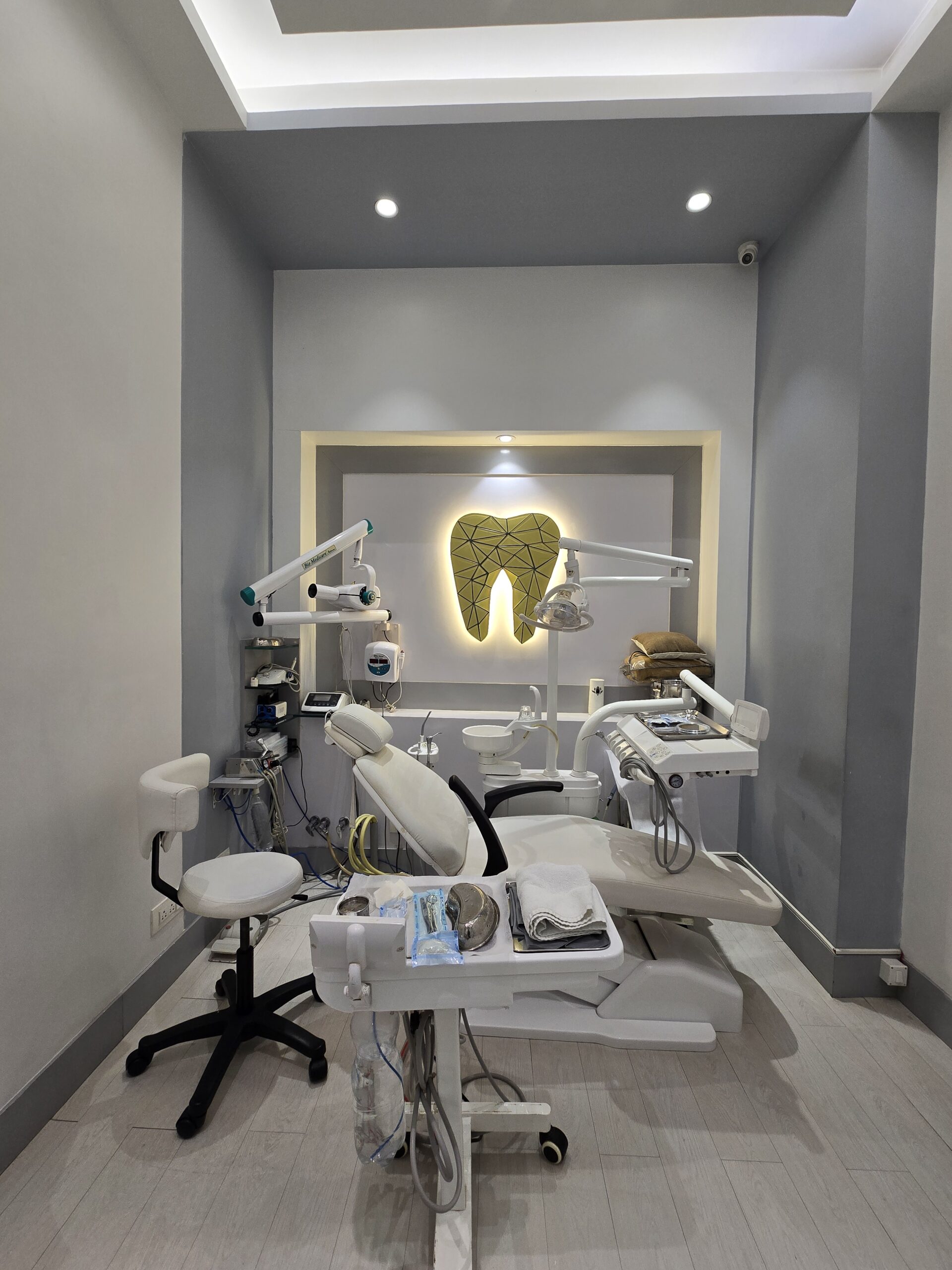
Precision dentistry is an approach to dental care that uses detailed diagnosis, personalised treatment planning and appropriate technology to address an individual patient’s needs. It is not a separate dental specialty and does not refer to one particular procedure. Depending on the clinical situation, precision dentistry may involve digital X-rays, intraoral scanning, CBCT imaging, clinical photography, magnification, computer-assisted planning or CAD-CAM manufacturing. These tools can support accurate decision-making, but they do not replace clinical experience or guarantee a particular result.
Learn what precision dentistry means and how digital scans, CBCT, CAD-CAM and personalised planning may support accurate, conservative dental treatment.
What Is Precision Dentistry?
n everyday clinical use, precision dentistry means planning and performing treatment according to the patient’s anatomy, oral health, bite, medical history and treatment objectives. Instead of applying the same solution to every patient, the dentist selects appropriate investigations, materials and procedures for the individual case. In research, the term may also include the use of genetic, microbial or biomarker information. However, these methods are not part of routine dental care for most patients and should not be presented as services unless the clinic genuinely provides them.
Is Precision Dentistry a Recognised Specialty?
No. Precision dentistry is not a separately recognised dental specialty. It describes a treatment philosophy or approach that may be used across restorative dentistry, endodontics, orthodontics, implant dentistry, oral surgery and prosthodontics. Patients should therefore evaluate the qualifications and relevant experience of the clinician performing the specific procedure—not rely on the phrase “precision dentist” alone.
Technologies that support Precision Dentistry
Digital X-rays
Digital dental X-rays help clinicians evaluate teeth, roots and surrounding bone. The type of X-ray should be selected according to the diagnostic requirement.
CBCT imaging
CBCT produces three-dimensional images of hard tissues and may be helpful for implant planning, impacted teeth, complex root anatomy and selected surgical conditions. It is not required for every patient and should be prescribed only when its additional diagnostic value justifies the radiation exposure.
Intraoral scanning
An intraoral scanner creates a digital surface model of visible teeth and accessible gum tissues. It may be used for crowns, bridges, aligners, implant restorations and treatment monitoring. Conventional impressions may still be preferable in some clinical situations.
Clinical photography
Standardised photographs help document the condition, assess smile and facial relationships and improve communication between the patient, dentist and dental laboratory.
CAD-CAM dentistry
Computer-aided design and manufacturing can be used to design and produce crowns, bridges, veneers, onlays and implant-supported restorations. The final result also depends on tooth preparation, scanning, material selection, manufacturing, finishing and bite adjustment.
How it works?
- Understanding the patient’s concern and medical history
- Clinical examination of the teeth, gums and bite
- Selecting only the necessary diagnostic records
- Identifying different treatment options
- Choosing a conservative and appropriate plan
- Digitally or conventionally designing treatment
- Executing the procedure with suitable materials and techniques
- Checking fit, bite, function and appearance
- Providing follow-up and maintenance guidance
Our 7 Pillars Philosophy
Royal Dental Clinic builds its practice on seven pillars:
- Problem identification
- Root-cause tracing
- Intuitive planning
- Customised execution
- Patient comfort
- Research integration
- Community impact
Conclusion
Precision dentistry is best understood as an individualised approach—not a particular machine, procedure or guaranteed outcome. Digital imaging, intraoral scanning, magnification and CAD-CAM technology may support diagnosis, planning and treatment when used appropriately. Their value comes from combining relevant information with clinical experience, conservative decision-making and careful follow-up.
FAQs
Is precision dentistry a separate dental treatment?
No. It is an approach that combines individualised diagnosis, careful planning, appropriate technology and accurate clinical execution.
Is precision dentistry the same as digital dentistry?
Not exactly. Digital dentistry refers to digital tools and workflows. Precision dentistry is broader and may combine digital technology with clinical examination, conventional techniques and personalised decision-making.
Does precision dentistry mean treatment will be painless?
No. Some technologies and techniques may improve comfort, but discomfort depends on the condition and procedure. Anaesthesia and pain-management options should be discussed separately.
Does every patient need CBCT?
No. CBCT should be prescribed only when three-dimensional imaging is clinically justified. Routine dental problems may require only examination and conventional dental X-rays.
Can precision dentistry prevent treatment failure?
It may support diagnosis and planning, but it cannot eliminate complications or guarantee success. Outcomes also depend on disease severity, clinician experience, patient health and aftercare.
Is precision dentistry more expensive?
Cost depends on the investigations, procedure, materials and complexity. Some digital workflows may improve efficiency, but additional imaging or customised manufacturing can increase the initial cost.