
Ever heard of dental implant protocols? They are a big deal in the medical world, especially for anyone who’s had dental implants. For those who don’t know, implant protocols are basically a step-by-step guide for how to care for your implants. If you’ve ever wondered how your implants should be taken care of or if you’ve ever wondered what type of maintenance routine you should follow, implant protocols are for you. Here’s everything you need to know about implant protocols.
What is a dental implant protocol?
An implant protocol is essentially a set of guidelines for how to take care of dental implants. It will give you a step-by-step guide of what you should and shouldn’t do when it comes to your implants. The best part is, implant protocols can help you avoid a lot of the issues that come up when taking care of implants. If you’ve ever been one of those patients who doesn’t know the right way to care for their implants, you’ll love having an implant protocol. It will eliminate a lot of the guesswork and uncertainty when it comes to dental implant care.
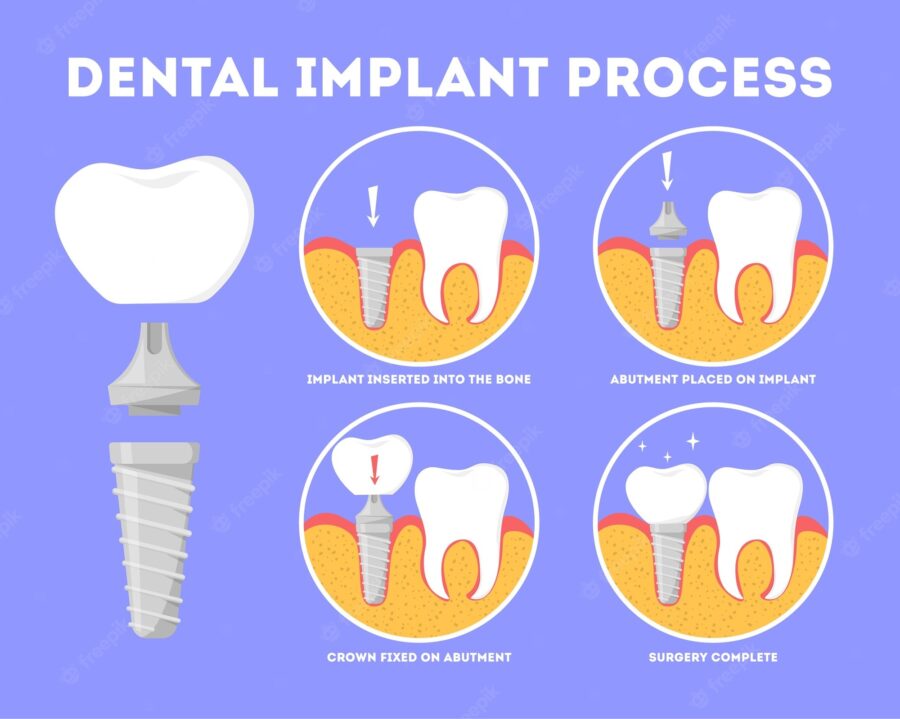
A dental implant protocol is a structured plan that guides the full implant journey — from diagnosis and scans to surgery, prosthesis, aftercare and maintenance. It helps the dentist decide the right implant position, number of implants, crown material, bite plan, hygiene access and follow-up schedule.
Dental implants are not just about placing a screw in bone. Long-term success depends on bone support, gum health, bite force, prosthesis design, oral hygiene and regular follow-up. A proper implant protocol reduces guesswork and helps prevent complications such as infection, food lodgement, screw loosening, bone loss or prosthetic failure.
What should an implant protocol include?
A good implant protocol may include medical history, oral examination, gum evaluation, X-ray or CBCT, bone assessment, implant selection, surgical planning, temporary teeth, final crown or bridge design, bite adjustment, cleaning instructions and maintenance visits. In same-day implant cases, the protocol becomes even more important because the implant and prosthesis must be protected during healing.
Implant protocol after surgery
After implant surgery, patients should follow instructions on medicines, soft diet, oral hygiene, rinsing, smoking avoidance, chewing restrictions and follow-up appointments. Even if fixed teeth are given on the same day, heavy biting should be avoided until the dentist confirms stability and healing.
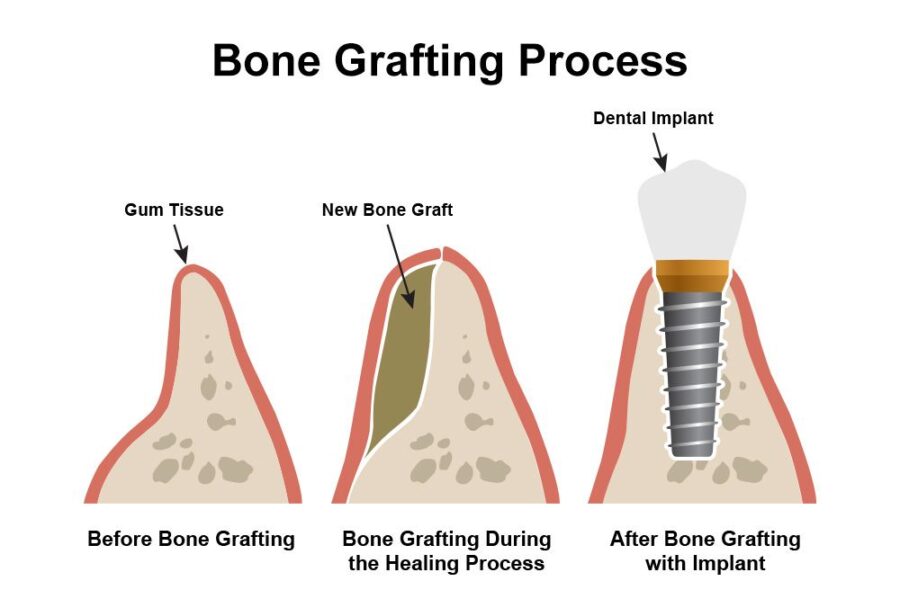
How Does an Implant Protocol Work?
Implant protocols are essentially a manual that will tell you exactly how to take care of your implants. It will tell you how often you should clean them, what type of dressings you should be using, and so much more. There are a lot of implant protocols out there and some are more strict than others. The best implant protocols will tell you exactly how to take care of your implants. Implant protocols are usually used when dental implants are placed in the mouth. It’s especially important to follow implant protocols if you have dental implants in your mouth.
When is an Implant Protocol Needed?
Implant protocols are usually needed when there are certain complications with your implants. Some of the most common complications are a cloudy or pink look to your gums, bad smell from your mouth, and bleeding from your gums. If you’re experiencing any of these issues, you should ask your dentist for an implant protocol.
Common Issues with Implant Protocols
Implant protocols can be a little strict. This is because they’re meant to help you avoid complications. If there are complications, you should definitely have one. The only question is, what are they? Here are a couple common issues with implant protocols: – Cloudy or pink look to the gum tissue – To avoid this, your protocol will tell you to use the correct type of dressing. – Bad smell or bleeding from the gums – You can avoid this by taking care of your implants correctly.
Ways to have an Implant Protocol
There are a couple things you can do to make sure you have the right implant protocol. First, find a dentist who uses implant protocols. Dentists who use implant protocols are usually more strict when it comes to your implants. Second, make sure you’re getting your implants placed in the right place. If your implants are in the wrong spot, they may not be taking the right shape. After that, it’s all about keeping your protocol as strict as your protocol maker wants you to.
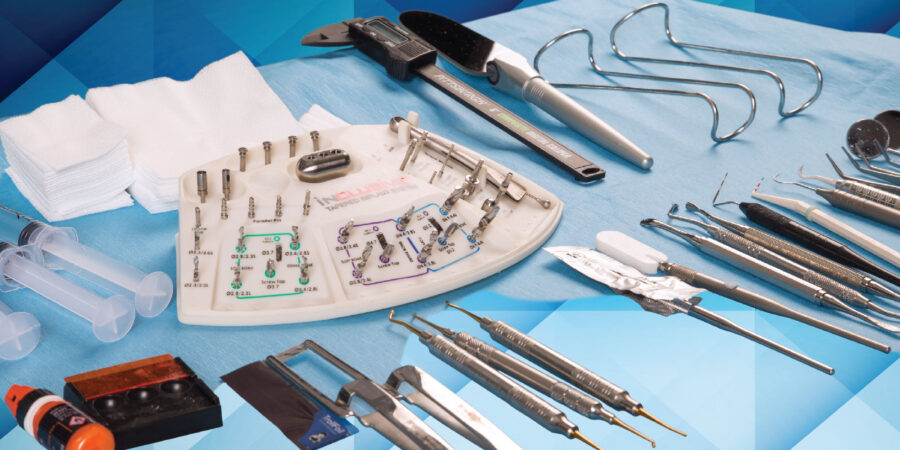
Dental Clinic in Mumbai
Implant protocols are a very important step for anyone who has dental implants. Not only will it help you avoid complications, but it will also give you a step-by-step guide on how to take care of your implants. No matter what type of implants you have, you should have your protocol. Once you have one, your implant treatment will go a lot smoother.
FAQs
What is an implant protocol?
An implant protocol is a step-by-step plan for implant diagnosis, surgery, prosthesis, aftercare and long-term maintenance.
Why is implant protocol important?
It helps reduce complications by planning bone support, implant position, bite, crown design, hygiene access and follow-up care.
Do same-day implants need a protocol?
Yes. Same-day implants need strict planning because the implant and teeth are loaded early and must be protected during healing.
What happens if implant care is ignored?
Poor care can lead to gum inflammation, food lodgement, infection, bone loss, prosthesis loosening or implant failure.
How often should implant follow-up be done?
The schedule depends on the case. Many patients need regular maintenance visits, bite checks and professional cleaning as advised by the dentist.
Medical Disclaimer
This article is for patient education only. Dental treatment should be planned after clinical examination, medical history review, and X-rays or scans where required. Treatment suitability, cost, timeline, healing, and results vary from patient to patient.