
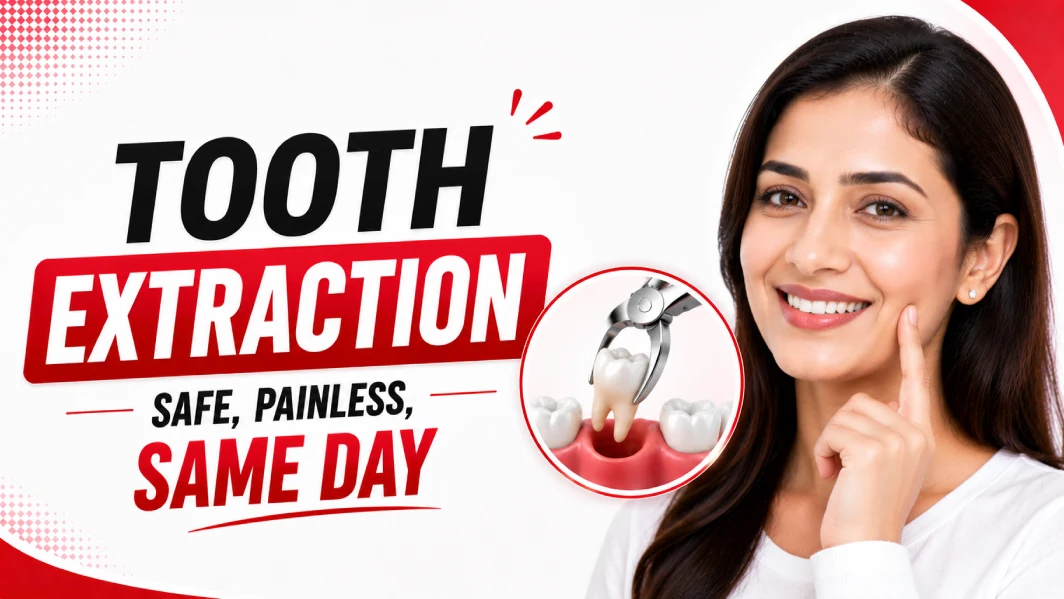
Before we talk about tooth extraction, let us say something important. At Royal Dental Clinics, saving your natural teeth is always the first priority. Every effort is made to explore whether a filling, root canal treatment, crown, or gum therapy can keep your tooth in place before extraction is ever considered.
But there are situations where extraction is genuinely the right clinical decision. When a tooth is destroyed beyond any reasonable chance of restoration, when an infection is spreading and threatening surrounding bone and teeth, when a wisdom tooth is impacted and causing recurring pain and damage, or when overcrowding is creating problems that cannot be solved any other way, tooth extraction in Mumbai becomes the treatment that actually protects your overall oral health.

At Royal Dental Clinics, Thakur Village, Kandivali East, tooth extraction in Kandivali is performed by Dr. Chirag Chamria and his experienced team using modern anaesthesia, digital 3D imaging, and minimally invasive surgical techniques. Most patients are surprised by how comfortable and quick the experience actually is. And for eligible patients, the gap left by an extracted tooth can be filled with a same-day dental implant on the very same visit.
This guide covers everything you need to know about tooth extraction in Mumbai when it is needed, how it is done, what it costs, how to recover, and what your options are for replacing the tooth afterward.
What Is Tooth Extraction?
Tooth extraction is the removal of a tooth from its socket in the jawbone. It is one of the most commonly performed dental procedures worldwide and, when indicated, it is also one of the most effective ways to relieve severe dental pain and stop an infection from spreading.
The procedure is far less daunting than most people expect. Modern local anaesthesia means you feel pressure during the procedure but not sharp pain. At Royal Dental Clinics in Kandivali, both simple and surgical extractions are completed in a single visit. There are no multiple appointment delays and no unnecessary waiting.
What happens after the extraction is just as important as the extraction itself. Leaving a gap unfilled allows neighbouring teeth to shift, bone to be lost in that area, and bite forces to become unbalanced. This is why the team at Royal Dental Clinics discusses tooth replacement options at the same consultation, ensuring you know all your options before treatment begins.
When Is Tooth Extraction Necessary in Mumbai?
Not every painful tooth needs to come out. In many cases, a root canal treatment or crown can save a tooth that appears beyond repair. However, tooth extraction in Mumbai becomes the correct and necessary treatment in the following situations:
Severe decay beyond restoration. When a cavity has destroyed so much tooth structure that there is not enough remaining to support a filling or crown, and the root itself is also compromised, extraction is the only viable option.
Dental infection that cannot be controlled. An abscess or spreading infection that has not responded to antibiotics or root canal treatment, or one that risks spreading to the jawbone or surrounding teeth, needs to be removed urgently to contain the damage.
Impacted or problematic wisdom teeth. Wisdom teeth are the last to erupt and often do not have enough space to emerge properly. They may grow at an angle, push against neighbouring teeth, partially erupt and trap food and bacteria underneath the gum, or remain completely trapped in the jaw. All of these scenarios cause pain, infection risk, and potential damage to adjacent teeth.
Vertical root fractures. When a tooth has cracked in a way that extends down the root, there is no reliable way to seal or restore it. A fracture of this nature almost always requires extraction.
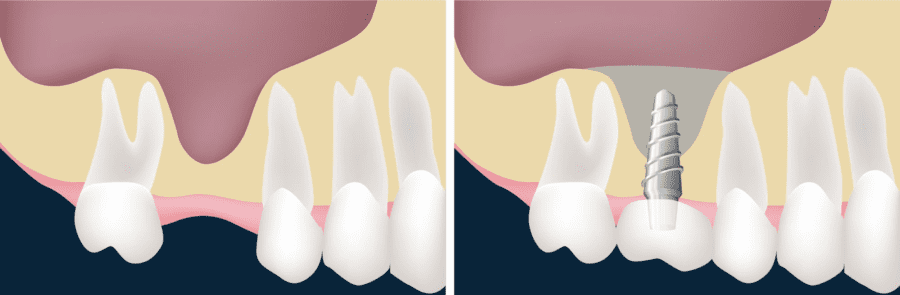
Severe gum disease with Grade 3 mobility. When bone loss around a tooth is so advanced that no bone remains to anchor it and the tooth is moving significantly in all directions, extraction and implant replacement is usually a better long-term outcome than trying to retain a non-functional tooth.
Overcrowding before orthodontic treatment. When there is insufficient space in the jaw for teeth to be aligned properly through braces or aligners, selective extraction of specific teeth creates the room needed for successful orthodontic treatment.
Failed root canal that cannot be retreated. If a previous root canal has failed, re-treatment is often possible. But when the root anatomy makes retreatment impossible, or when a periapical infection keeps recurring despite treatment, extraction becomes the appropriate resolution.
Types of Tooth Extraction Available at Royal Dental Clinics, Kandivali
Simple Tooth Extraction
A simple extraction is performed on a tooth that is fully visible above the gumline, has intact roots, and can be accessed directly. The tooth is numbed with local anaesthesia, loosened with an elevator instrument, and removed with forceps. The entire process typically takes 10 to 20 minutes and patients recover within 24 to 48 hours in most cases.
Simple extractions are used for decayed, damaged, or significantly mobile teeth where no surgical access is required.
Surgical Tooth Extraction in Mumbai
A surgical extraction is needed when the tooth cannot be removed in one piece through simple technique. This includes teeth with curved or unusually shaped roots, teeth that have broken off at the gumline, and teeth that are partially or fully embedded in the jawbone.
A small incision is made in the gum to access the tooth and sometimes the surrounding bone. The tooth may be sectioned into pieces to allow safe removal without excessive force. Sutures are placed after extraction to close the site and promote clean healing.
Wisdom Tooth Extraction in Kandivali Mumbai
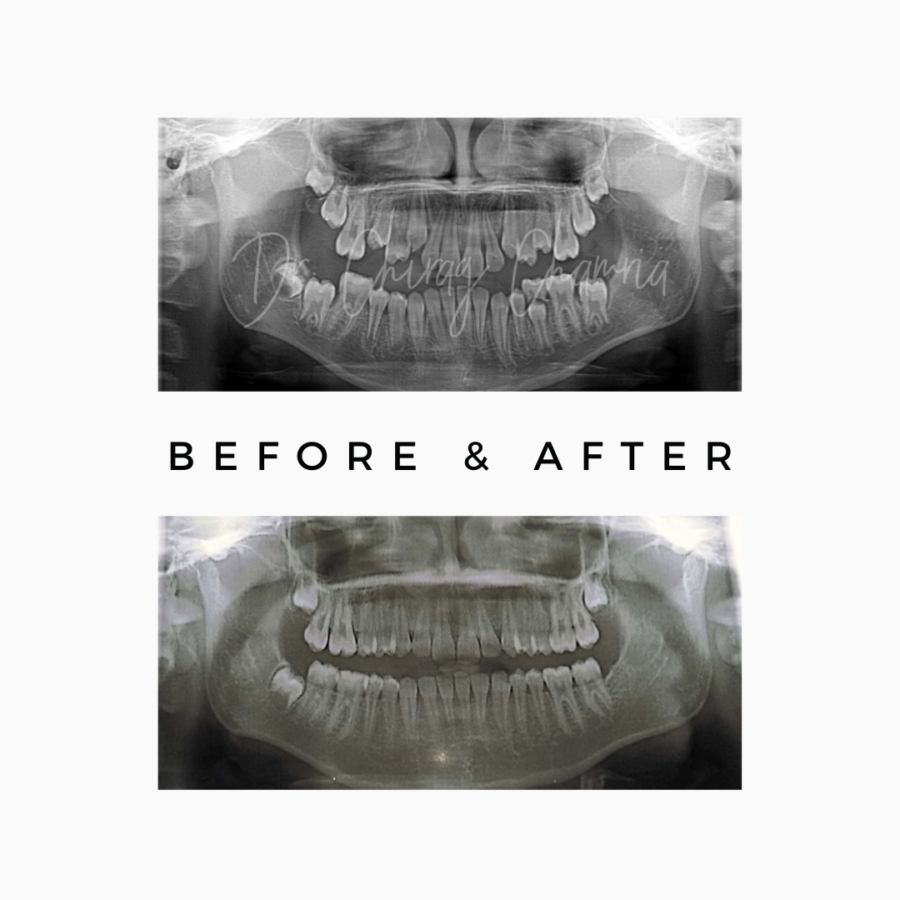
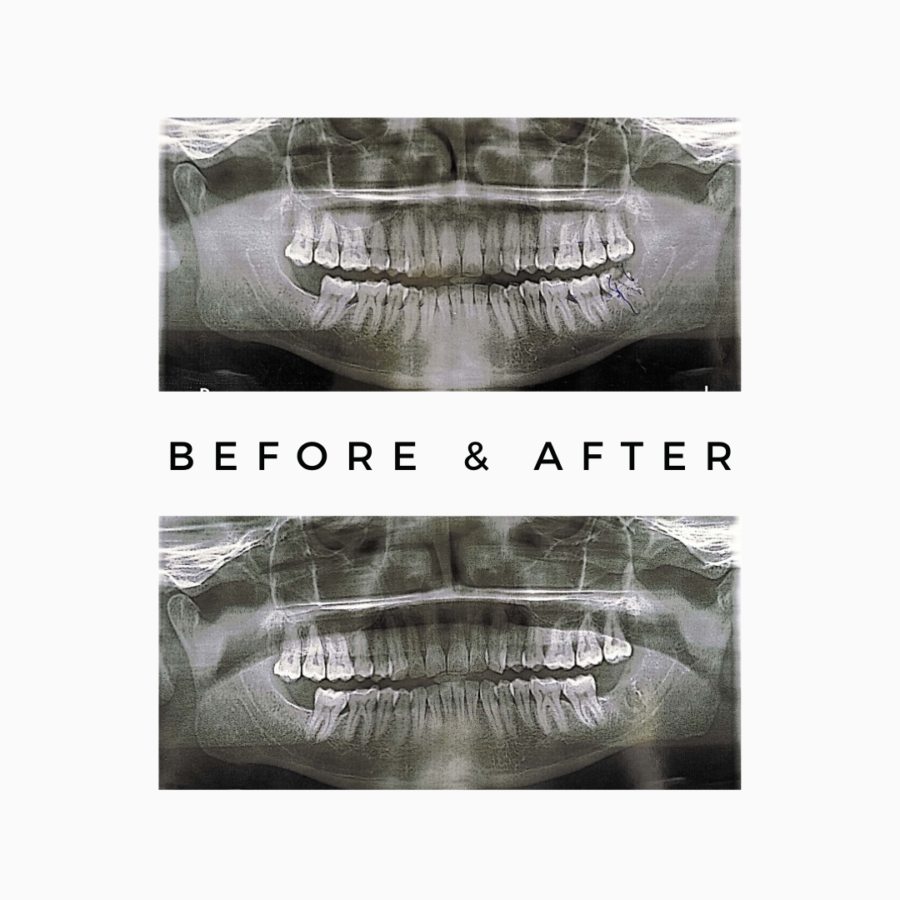
Wisdom tooth extraction is one of the most frequently requested procedures at our dental clinic in Kandivali East. The third molars, commonly called wisdom teeth, typically emerge between the ages of 17 and 25. Because the jaw is often already fully developed by this time, there is frequently insufficient space for these teeth to erupt normally.
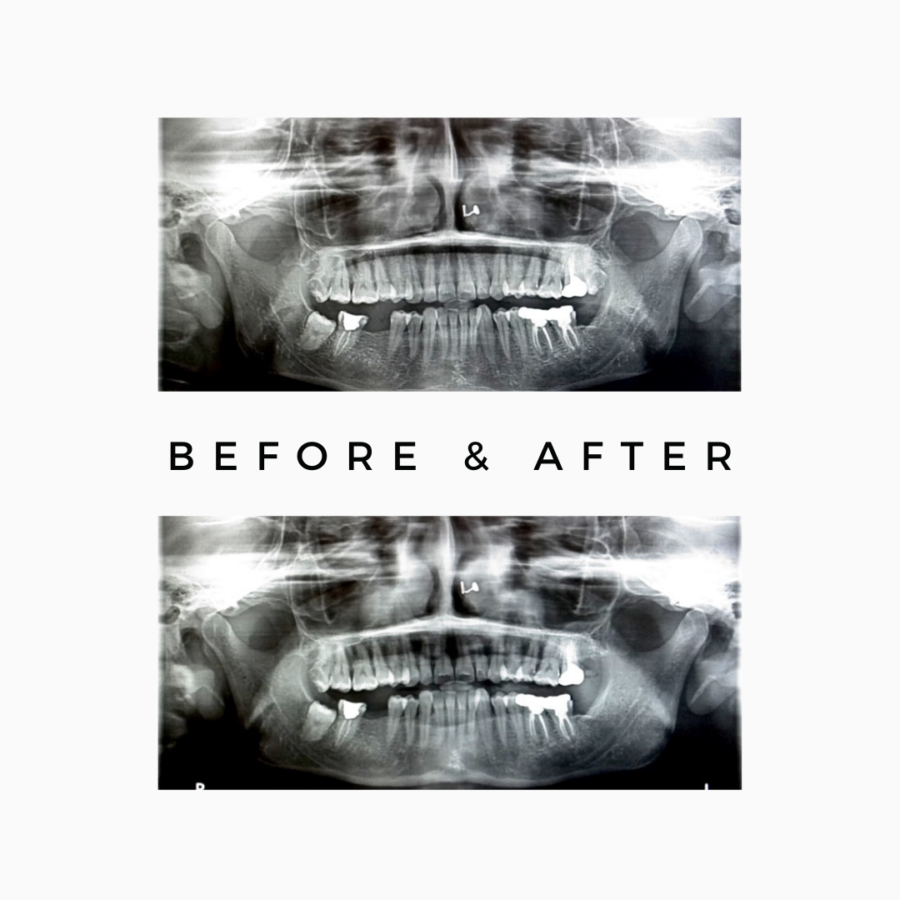
Common problems caused by wisdom teeth include
Impaction, where the tooth is trapped beneath the gum or bone and cannot erupt. Partial eruption, where the tooth partially breaks through the gum, creating a flap of tissue that traps bacteria and causes repeated infections. Angular growth, where the tooth pushes sideways against the second molar, damaging it. Cysts or follicular sacs that form around unerupted wisdom teeth and can cause bone loss.
At Royal Dental Clinics, wisdom tooth extraction in Mumbai is performed by Dr. Chirag Chamria using CBCT 3D imaging to map the exact position of the tooth and its proximity to the inferior alveolar nerve before surgery. This planning step is critical for safe, complication-free removal. The procedure is completed under local anaesthesia and conscious sedation is available for anxious patients.
Wisdom tooth extraction cost in Mumbai starts from Rs 15,000 and may go up to Rs 45,000 depending on the degree of impaction and nerve involvement. A simple wisdom tooth removal with no impaction starts from around Rs 5,000. All costs are discussed and confirmed before treatment begins.
Is Tooth Extraction Painful? What Patients Actually Experience
This is the question that stops most people from seeking treatment promptly. The honest answer is that modern tooth extraction at Royal Dental Clinics is not a painful experience during the procedure. Local anaesthesia completely numbs the tooth, surrounding gum, and bone before anything begins. Once the area is numb, you feel pressure as the tooth is loosened and removed, but not sharpness or pain. Most patients report that the actual extraction was nothing like they had imagined. For patients who are particularly anxious, conscious sedation is available at our Kandivali clinic. You remain aware and can communicate, but you are in a deeply relaxed state and most patients have very little recollection of the procedure afterward.
After the anaesthesia wears off, some soreness and mild swelling around the extraction site are expected. This is managed comfortably with prescribed pain medication and typically settles within 2 to 3 days. Most patients return to normal daily activities within 24 to 48 hours. Wisdom tooth extractions, particularly surgical ones, may involve slightly more post-operative discomfort and swelling, which peaks in the first 48 hours and then resolves steadily over the following week.
Tooth Extraction Procedure at Royal Dental Clinics, Kandivali
Step 1 — Consultation and digital diagnosis. The tooth and surrounding structures are examined clinically. Digital X-rays or a CBCT 3D scan are taken to assess root shape, bone level, and proximity to nerves or sinus. This determines whether a simple or surgical extraction is required and what anaesthesia approach is most appropriate.
Step 2 — Treatment plan and transparent cost discussion. The procedure, anaesthesia options, expected recovery timeline, and cost are all explained clearly before anything begins. You make an informed decision with no pressure.
Step 3 — Anaesthesia administration. Local anaesthesia is injected carefully to numb the tooth and surrounding area completely. This takes 2 to 3 minutes and the area is tested before proceeding.
Step 4 — Extraction. For simple extractions, the tooth is loosened with an elevator and removed with forceps. For surgical cases, an incision is made, bone access is created as needed, the tooth is sectioned if necessary, and each piece is removed carefully.
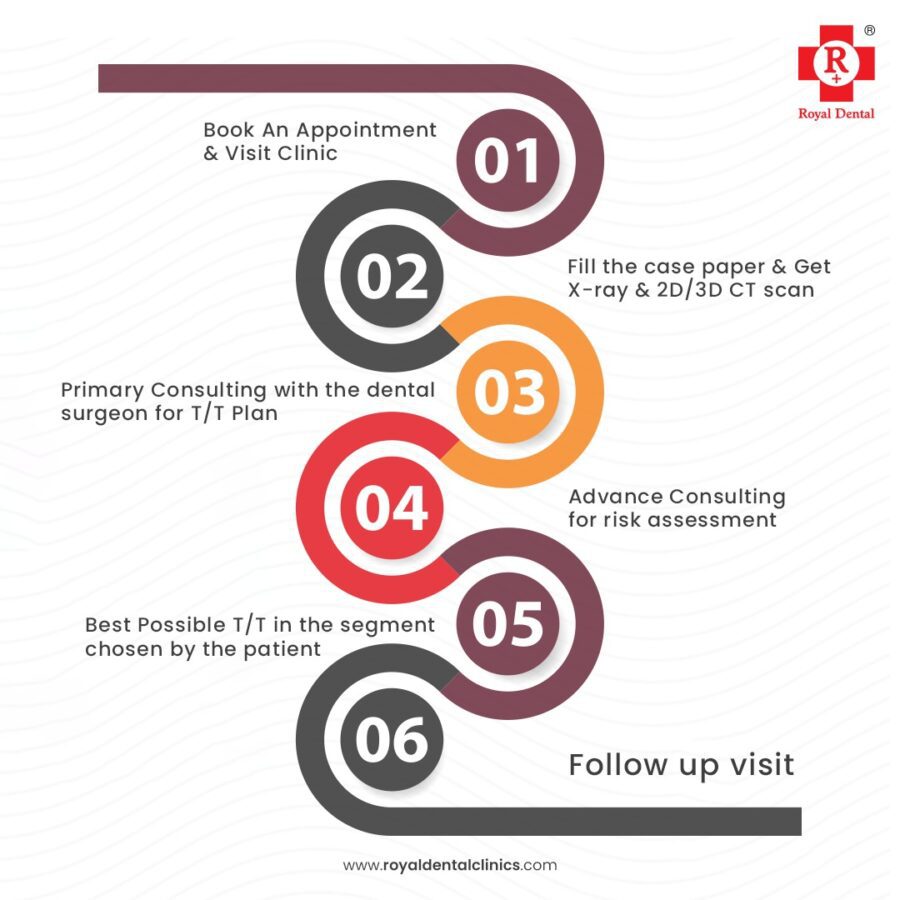
Step 5 — Site care and closure. The socket is cleaned thoroughly. Sutures are placed where needed. A gauze pad is applied and the patient bites down gently to help control bleeding and begin clot formation.
Step 6 — Recovery instructions and follow-up. Detailed post-operative instructions are provided covering diet, oral hygiene, activity restrictions, medication, and when to return if there are any concerns. A follow-up appointment is scheduled to check healing.
What Happens After Tooth Extraction — Aftercare?
How well you recover from tooth extraction in Mumbai depends largely on what you do in the 24 to 72 hours afterward. Here are the key aftercare steps:
- Bite on the gauze for 30 to 45 minutes after the extraction to allow a blood clot to form in the socket. This clot is essential for healing.
- Do not disturb the clot. Avoid rinsing vigorously, spitting forcefully, using a straw, or touching the site with your tongue or finger for the first 24 hours. Dislodging the clot causes a painful condition called dry socket.
- Soft food diet for 3 to 5 days. Eat foods like dal, khichdi, curd, mashed vegetables, and soups. Avoid hard, crunchy, or spicy foods that could irritate the healing socket.
- Avoid smoking. Smoking significantly increases the risk of dry socket and delayed healing. It is strongly recommended to avoid it for at least 5 to 7 days after extraction.
- Take prescribed medications. Pain relievers and antibiotics prescribed by the team should be taken as directed, even if you feel comfortable after the first day.
- Gentle warm salt water rinses can be started from 24 hours after the extraction to keep the area clean. Rinse gently without swishing aggressively.
- Contact the clinic if you experience severe or worsening pain after 3 days, significant swelling that is increasing rather than decreasing, fever, or foul taste from the socket.
Same-Day Dental Implant After Tooth Extraction — No Gap, No Waiting
One of the most significant advantages of choosing Royal Dental Clinics in Kandivali for tooth extraction is the immediate implant option. For eligible patients, a dental implant can be placed on the same day as the extraction, before you leave the clinic. In suitable cases, a temporary crown can also be placed on the same day.
This approach eliminates the waiting period between extraction and implant placement. It preserves bone volume at the extraction site, which begins to reduce as soon as a tooth is lost. It also means you leave the clinic with something in place, rather than an empty gap.
Not every extraction site is suitable for immediate implant placement. The decision depends on whether the infection has been fully controlled, the volume and quality of bone at the site, and the overall treatment plan. Your consultation will confirm whether immediate implant placement is possible for your specific case.
Read more: Dental Implant in Kandivali and Mumbai
Tooth Extraction Cost in Mumbai — What to Expect
Tooth extraction cost in Mumbai at Royal Dental Clinics is significantly more affordable compared to the USA, UK, Australia, UAE, and Canada, while maintaining the same quality of materials, technology, and clinical expertise.
Simple tooth extraction starts from Rs 5,000. Wisdom tooth extraction starts from Rs 15,000 and can range up to Rs 45,000 depending on the complexity of the impaction and nerve proximity.
A full written cost estimate is provided at the consultation after the diagnosis. Every cost element is discussed before treatment begins. There are no surprise charges.
For international patients, the total cost of flights, accommodation, and dental treatment in Mumbai is often still significantly less than the cost of the same treatment back home in Western countries. Royal Dental Clinics works with India Dental Tourism to help overseas patients plan and coordinate their dental visits.
Frequently Asked Questions — Tooth Extraction in Kandivali, Mumbai
Is tooth extraction always the last option at Royal Dental Clinics?
Yes. Saving the natural tooth is always the first priority. Extraction is recommended only when all viable alternatives have been considered and the clinical situation makes retention of the tooth genuinely harmful or impossible.
Can I get a dental implant immediately after extraction?
In many cases, yes. Same-day implant placement after extraction is available for eligible patients at our Kandivali clinic. The suitability depends on the infection status, bone volume, and overall treatment plan.
How long does it take to heal after tooth extraction?
Most patients feel comfortable within 2 to 3 days. The socket typically closes over within 2 weeks. Complete bone healing in the socket takes 3 to 4 months, which is also the minimum waiting period before implant placement in non-immediate cases.
What is dry socket and how do I avoid it?
Dry socket occurs when the blood clot that forms in the socket after extraction is dislodged or dissolves before the area heals. It causes significant pain and delays healing. Avoid smoking, using straws, vigorous rinsing, and spitting forcefully in the first 24 hours after extraction to prevent it.
What is the right age for wisdom tooth removal?
Wisdom teeth are most easily removed in the late teens and early twenties when the roots are not yet fully formed. However, extraction can be performed at any age when clinically indicated. Waiting too long can make the roots longer and more curved, making extraction slightly more complex.
Can multiple teeth be extracted in one visit?
Yes. Multiple extractions in a single visit are performed at Royal Dental Clinics in Kandivali when clinically appropriate. This reduces the total number of appointments and is particularly valuable for patients travelling from outside Mumbai or internationally.
Will I need stitches after tooth extraction?
Not always. Simple extractions usually do not require sutures. Surgical extractions, wisdom tooth removals, and cases where gum tissue was incised will typically have sutures placed that dissolve on their own within 7 to 10 days.
Contact Royal Dental Clinics Today:
Website: Royal Implant
Address:Mumbai | Jaipur
Contact No: +91 9820012621
Email Id: info@royaldentalclinics.com
Instagram | Youtube | Facebook | Linkedin