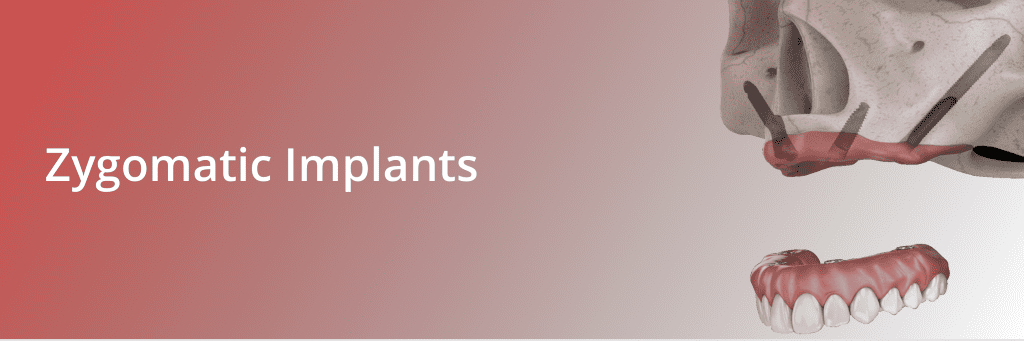
What is a zygomatic dental implant? It’s a little piece of plastic that goes in your cheek, right? Not exactly. Zygomatic implants are often used together missing teeth replacement in upper jaw with less or no bone. They are usually made of titanium and are placed into the zygoma bone. However, any surgery has potential complications. Unfortunately, some people who have received zygomatic implants have experienced secondary issues as a result. If you’re thinking about getting this procedure done—or know someone who is—here’s what you should know!
The Complications after Zygomatic Implants are important for patients to understand before choosing treatment for severe upper jawbone loss or missing upper teeth. Zygomatic implants can help in complex cases, but like any surgical procedure, patients should know about possible swelling, bruising, infection, healing time, sinus-related concerns, and the importance of follow-up care.
Who is This Article For?
This article is for patients who are considering zygomatic implants for missing upper teeth, especially when they have severe bone loss or have been told they do not have enough upper jawbone for regular dental implants. This blog helps patients know what to expect after surgery and why consultation with an experienced implant surgeon is important before planning cheekbone-supported implants.
What are some complications from implants?
- Pain and discomfort around the injection site.
- Bruising and swelling around the implant.
- Infection around the implant.
- Poor oral hygiene may lead to ora ulcers.
How long do they take to heal?
Remember, although your gum tissue will appear healed in about 10-14 days, the implants may not be rock solid for 5 months. Initially, the bone around the implants will be very soft. But you can eat and speak immediately after the surgery.
Complications after Zygomatic Implants!
Zygomatic implant failure is rare for missing teeth replacement. Each zygomatic implant is unique because each patient’s dental history is unique. The implant treatments represent the last and only option for patients suffering from severe bone loss. Its success if 96% in first 5 years.
Bruising and swelling after zygomatic implants
Bruising and swelling after zygomatic implants for missing teeth is normal. One to two weeks after surgery, there may be swelling around the implant, especially if the surgery involved the inside of the mouth. This swelling is usually related to the surgeon’s use of a skin incision inside the mouth. This swelling will go away once the incision has healed. There may be mild bruising around the implant, but this, too, will go away. Bruising can also occur inside the mouth near the site of surgery. Bruising inside the mouth may take longer to resolve, but it will go away. If the swelling or bruising remains after two weeks, consult your surgeon.
Infection Complications after Zygomatic Implants
It’s rare after zygomatic implants is rare, occurring in less than one percent of patients. Infection is more likely to occur if the patient has poor dental hygiene or if there is a pre-existing infection in the mouth. It can also occur if there is a break in the skin around the implant. Infection after zygomatic implants treated with antibiotics. If the infection is around the implant, the implant removed. The implant is in the lower jaw, it may have to be replaced. If you have any signs of infection—redness, swelling, pus-like drainage, increased temperature, or extreme pain—you should see your surgeon immediately.
Are cheekbone implants good?
Zygomatic implants are a valid reliable treatment for patients with severely resorbed upper jaws; these patients have often been told that they ‘cannot have implant treatments as there is not enough jaw bone left’. The zygomatic implants are designed to attach immediate fixed replacement teeth (dental bridges).
Can you get an implant without a bone graft?
If no bone exists, it’s impossible to place an implant. Every dental implant needs just as much bone to support it as you would for a natural tooth. This is why bone grafting is so essential after tooth loss!
Conclusion
They are one of the most successful procedures in facial augmentation. However, there are several possible complications from zygomatic implants. When it comes to cosmetic surgery, it’s important to do your research and know exactly what you’re getting into. These complications are rare, but they do happen. It’s important to be prepared and know what to expect after surgery. Most importantly, you should be prepared to discuss these issues with your surgeon before getting the procedure done.
FAQs
1. What are zygomatic implants?
Zygomatic implants are longer dental implants that take support from the cheekbone, also called the zygoma. They are usually considered for patients with severe upper jawbone loss where regular dental implants may not have enough bone support.
2. Who may need zygomatic implants?
Patients with missing upper teeth, long-term denture use, severe bone loss, failed previous implants, or insufficient upper jawbone may be considered for zygomatic implants. A CBCT scan and specialist consultation are needed before planning treatment.
3. What are the possible complications of zygomatic implants?
Possible complications may include swelling, bruising, discomfort, sinus-related issues, infection, numbness, implant failure, or difficulty during healing. These risks depend on the patient’s bone condition, medical history, surgical planning, and post-treatment care.
4. Are zygomatic implants safe?
Zygomatic implants can be safe when they are planned carefully and performed by an experienced implant surgeon. Proper diagnosis, scans, sterile protocols, surgical skill, and regular follow-up are important for reducing complications.
5. Is swelling normal after zygomatic implant surgery?
Some swelling, bruising, and discomfort can happen after zygomatic implant surgery. The amount of swelling varies from patient to patient and is usually managed with medicines, rest, and post-surgery instructions.
6. How can complications be reduced after zygomatic implants?
Complications can be reduced by choosing proper case planning, following post-operative instructions, maintaining oral hygiene, avoiding smoking, attending follow-up visits, and informing the dentist immediately if there is severe pain, fever, swelling, bleeding, or unusual symptoms.