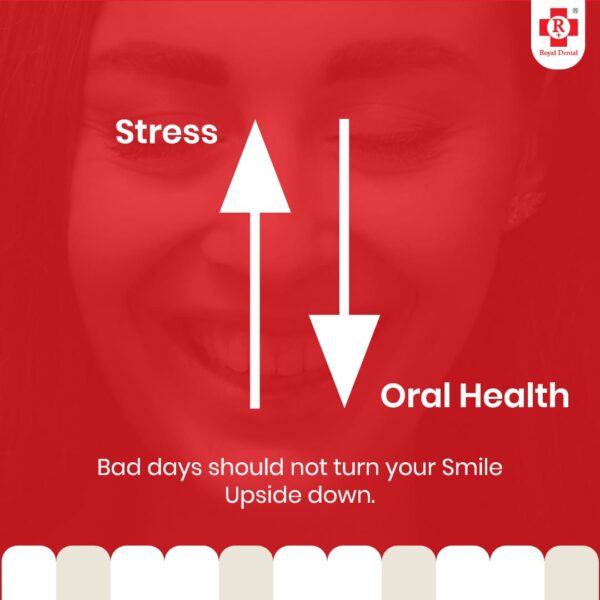
Stress and oral health are more closely connected than many people realize. While stress is a normal part of life, prolonged or chronic stress can negatively affect your teeth, gums, and overall oral health. From teeth grinding and jaw pain to mouth ulcers, dry mouth, and gum disease, understanding these effects can help you take the right steps to protect your smile and maintain better oral health.

Who Is This Article For?
This article is for individuals experiencing chronic stress, teeth grinding, jaw pain, mouth ulcers, or gum problems and who want to understand how stress can affect their oral health and what preventive measures they can take.
What Is the Connection Between Stress and Oral Health?
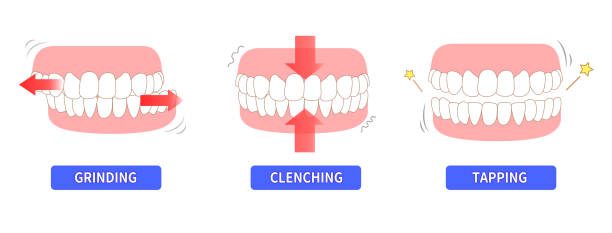
- Night grinding of teeth or clenching of jaw is called bruxism usually done unconsciously during sleep most commonly. However, theres various studies suggest that stress can cause night grinding of teeth. This leads to attrition of teeth in some cases it may lead to crack or fracture of teeth.
- Meditation, counselling and exercise are some ways to reduce the stress that causes teeth grinding. Visiting dentist to get Occlusion right once every 3 months is a good preventive method.
- TMJ disorders are characterized by joint pain, muscle pain and soreness due to tension in the muscles. When patients open or close the jaw they experience pain at the TMJ. With the sudden onset of stress the muscles become tensed and then come back to their original position when stress released.
- The dentist may suggest soft diet, TMJ appliances, or even specialized face yoga and medication.
- Stress can cause ulceration in the host immune response. They comprise of small ulcers located on mucus membrane in the oral cavity. However, they appear as a red lesion with a white or yellow hallo on inside of the lips, cheeks, tongue, base of the gums, Symptoms include pain, burning sensation, inflammation, fever, difficulty in chewing.
- The best way to reduce sores by reducing stress.
If you still get ulcers, your dentist may prescribe a gel or cream to relieve the pain.
- Xerostomia (dry mouth) is caused due to stress and side effects of a few drugs used to treat conditions like Parkinson’s, depression, diabetes etc. Dry mouth or burning mouth may be caused along with cavities.
- Treatment for dry mouth can include stress counselling and antidepressant medicine.
- Periodontal diseases may aggravate due to stress and may affect oral hygiene, decreased gingival circulation, lower host resistance response, altered sleep. All of these has negative impact on the gingival tissues leading to periodontal disease.
- If you have severe gum disease, you may need to see a periodontist for your dental treatment.
Maintaining Stress and Oral Health
One of the best ways to fight the negative effects of stress on oral health is to remove the source of stress. If it’s not possible; counselling, exercise, yoga, jogging, relaxation or meditation or even a massage and physical therapy may help reduce your tension. Speak to your dentist to reduce impact of stress on oral health.
Depending on your symptoms, your dentist can also recommend specific treatments. For example, if you have bruxism, your dentist can fit you with a mouth guard to protect your teeth during sleep. For TMJ, your dentist may suggest some adjustment, including orthodontic treatment, to correct teeth alignment that may be magnifying pain. Check your benefits to see what treatments are covered under your plan. Ask about prescription medications.
Understanding the connection between stress and oral health can help you recognize early warning signs and take preventive measures before they develop into more serious dental problems.
‘People who are going through stressful events tend to compromise their oral care’. To prevent stress from affecting your oral health, you should continue to brush twice a day, floss every day and have your gums and teeth regularly evaluated by your dentist.” Stress is a powerful thing, capable of causing both mental and physical reactions. Some people are more susceptible to the effects of stress than others.
Stress also has a direct negative effect on wound healing. Learning how to reduce stress helps you live a healthier life overall. Identifying what stresses, you and prioritizing to resolve them is a good start. Get at least 7 to 8 hours of peaceful sleep every night; use night guards for grinding. Activities such as meditation, yoga and exercise help to release stress. Seek professional help like counselling to find how to manage the stress in your life.
Royal Dental Clinics, Mumbai, has separate waiting rooms, resting areas, consulting rooms and treatment rooms for every patient. Utmost care and comfort is provided to patients and relatives by every staff keeping in mind the safety parameters during this pandemic.
Stress and oral health are closely linked, which is why managing stress is just as important as maintaining good oral hygiene for long-term dental health. Regular dental check-ups and healthy stress management techniques play an important role in protecting stress and oral health concerns before they worsen.
Conclusion
Stress impacts your oral health in several ways, from teeth grinding and jaw pain to mouth ulcers, dry mouth, and gum disease. By understanding the relationship between stress and oral health, you can take proactive steps to protect your teeth, gums, and overall well-being. Managing stress through healthy lifestyle habits, along with maintaining good oral hygiene and regular dental check-ups, can help prevent these conditions. If you notice persistent symptoms, consult your dentist for an accurate diagnosis and appropriate treatment.
FAQ’s
Can stress really affect oral health?
Yes. Chronic stress can contribute to teeth grinding, jaw pain, dry mouth, mouth ulcers, and gum disease, which may require professional dental care.
Can stress cause teeth grinding?
Yes. Stress is one of the most common factors associated with bruxism, where people unconsciously grind or clench their teeth, especially during sleep.
Why does stress cause mouth ulcers?
Stress may weaken the body’s immune response, making some individuals more prone to developing recurrent mouth ulcers.
Can stress lead to gum disease?
Stress itself does not directly cause gum disease, but it can affect immune function and oral hygiene habits, increasing the risk of periodontal problems.
How can I protect my oral health during stressful periods?
Practice good oral hygiene, manage stress through exercise, meditation, adequate sleep, and visit your dentist regularly for preventive care.
Experiencing jaw pain, teeth grinding, or other stress-related dental problems? Book an appointment at Royal Dental Clinics for a comprehensive oral health evaluation and personalized treatment.
© All rights reserved by Royal Dental Implants Pvt Ltd
Issued in public interest